If your home nitro drinks fall flat, it’s likely because you lack the proper equipment like a nitro faucet and nitrogen tanks that create the signature smooth, creamy texture and foamy head. Infused beverages, on the other hand, only need flavor ingredients and simple tools. Without the right nitro setup, your drinks won’t achieve the rich mouthfeel or cascading appearance that makes nitro special. Stick around to discover how to perfect your nitro experience.
Key Takeaways
- Proper nitrogen infusion requires specialized equipment like a nitrogen tank and faucet; without it, drinks lack the creamy texture and head.
- Infused beverages rely on natural ingredients and steeping, making them easier to prepare at home without specialized tools.
- Without correct nitrogen infusion, home nitro drinks can appear flat, with little to no foamy head or cascading visual effect.
- The rich, velvety mouthfeel of nitro drinks is difficult to replicate with infusion-only methods, leading to a less indulgent experience.
- Understanding equipment needs and the differences in texture and visuals helps prevent home nitro setups from falling flat.
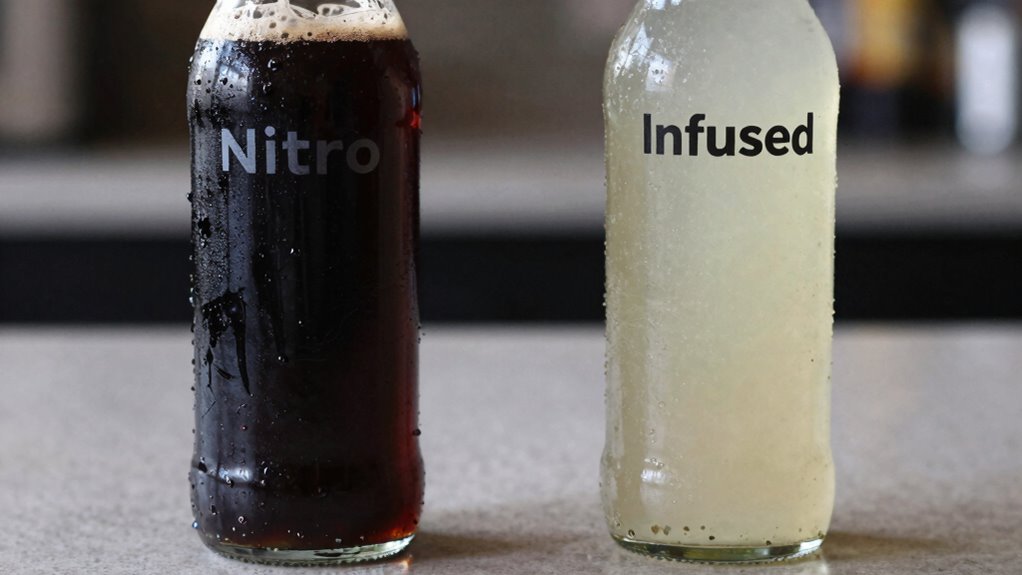
When choosing between Nitro and Infused beverages, understanding their key differences can help you make an informed decision. Both methods aim to enhance your drinks, but they do so in distinct ways, affecting flavor profiles and the equipment needed. Recognizing these differences can prevent your home nitro setup from falling flat and ensure you get the most out of your beverages.
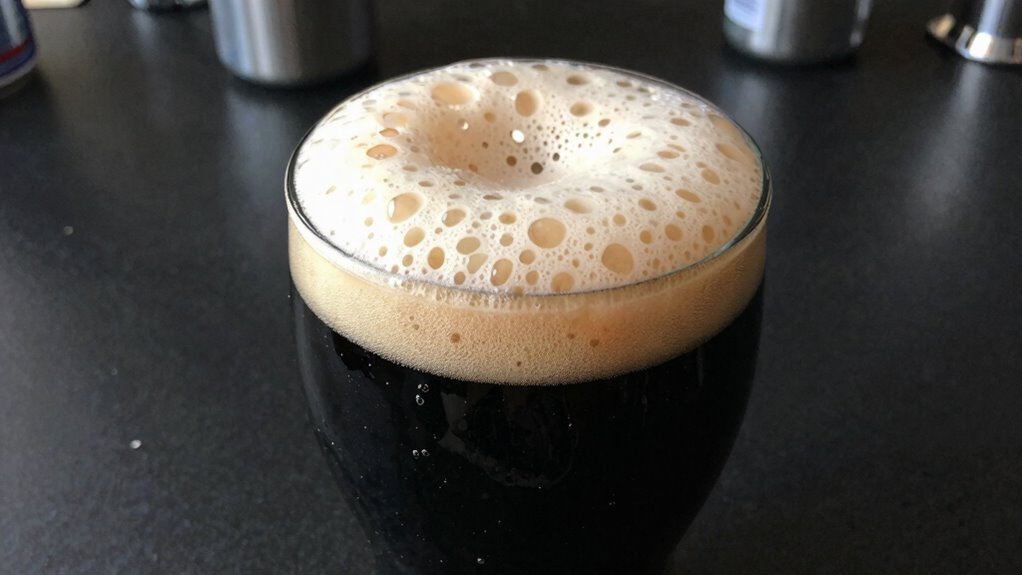
Nitro beverages are known for their smooth, creamy texture and rich mouthfeel, which come from the infusion of nitrogen gas. When you pour a nitro drink, you’ll notice a thick, foamy head, similar to a stout beer. The flavor profiles tend to be more subdued and velvety, emphasizing the drink’s natural taste while adding a subtle, sweet creaminess. This texture is what makes nitro drinks stand out—they feel more luxurious and indulgent. However, achieving that signature cascade and creamy head requires specific equipment: a nitro faucet, a nitrogen tank, and specialized chargers or cartridges. These components ensure the nitrogen dissolves properly into the liquid, giving you that characteristic smoothness. Without proper equipment, your home nitro experience can be disappointing, with flat or poorly foamed drinks.
On the other hand, infused beverages typically involve adding flavors directly into the drink through ingredients like fruits, herbs, or spices. This process usually involves steeping or blending, which results in vibrant, fresh flavor profiles that can range from citrusy and tart to herbal and sweet. Unlike nitro drinks, infused beverages often don’t require specialized equipment—just ingredients, a container, and patience. The flavor extraction depends on the infusion time and method, so you have more control over intensity. However, they lack the thick, creamy mouthfeel that nitrogen imparts, making them feel lighter and more revitalizing. The equipment differences are notable: infused drinks don’t need pressurized tanks or special dispensers, which makes them easier to prepare at home but also means they won’t replicate the same texture or visual appeal of nitro.
Frequently Asked Questions
How Long Does Home Nitro Carbonation Typically Last?
Home nitro carbonation typically lasts about 1 to 2 weeks, depending on nitro stability and storage conditions. To maintain ideal carbonation duration, you should keep your bottles or kegs refrigerated and avoid frequent agitation. Proper sealing helps preserve the nitro’s stability, ensuring your beverage stays flavorful and fizzy for as long as possible. Once the carbonation starts to fade, you’ll notice a loss of that signature smooth, creamy head.
Can Infused Beverages Be Made With Any Type of Liquid?
Imagine trying to fit a square peg into a round hole—that’s what making infused beverages with any liquid can feel like. You can’t just use any liquid; flavor consistency and ingredient compatibility matter. For example, oils or dairy can break down or cause inconsistency, leading to a flat or spoiled drink. Stick to compatible liquids like water, juice, or tea for the best infusion results.
What Are Common Mistakes Leading to Flat Home Nitro Drinks?
You often end up with flat home nitro drinks because of carbonation loss and flavor dilution. If you don’t properly seal your container or expose it to heat and air, carbonation escapes, causing flatness. Additionally, over-diluting your beverage or using weak ingredients can dilute flavors, making your drink less satisfying. Always guarantee airtight seals and use strong, fresh ingredients to maintain carbonation and flavor intensity.
Are There Health Risks Associated With Infused Drinks?
You might wonder if infused drinks pose health concerns. While generally safe, improper preparation can lead to toxin exposure or bacterial growth. If you don’t wash ingredients thoroughly or leave infusions too long, you risk adverse effects. Always use fresh, high-quality ingredients and follow proper hygiene to minimize toxin risks. Staying vigilant helps you enjoy flavored drinks without compromising your health.
How Does Temperature Affect the Quality of Nitro and Infused Beverages?
Temperature affects the quality of your nitro and infused beverages by impacting temperature stability and flavor retention. If the temperature fluctuates, the carbonation in nitro drinks can go flat, and flavors may become dull or inconsistent. Keep your drinks at a stable, proper temperature to preserve their creamy texture and vibrant taste. Proper storage and serving at recommended temperatures ensure you enjoy ideal flavor and carbonation every time.
Conclusion
So, next time you reach for that home nitro or infused beverage, remember: not all bubbles are created equal. Choosing the right one is like picking the perfect melody—when it hits just right, everything falls into place. Don’t let your experience fall flat; explore what truly sparks your taste buds. After all, isn’t life too short to settle for anything less than the fizz that makes your senses sing? Cheers to finding your perfect pour!