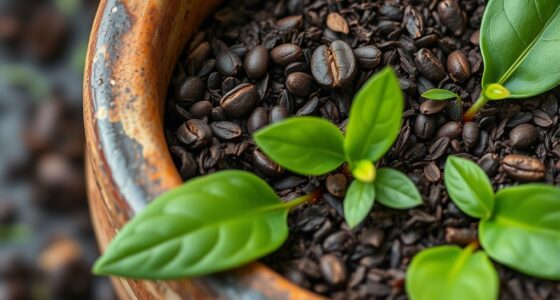

When comparing washed and natural coffee processing, water use plays a big role in their flavors and environmental impact. Washed coffee relies on lots of water to remove mucilage and clean beans, resulting in bright, clean flavors, but it stresses water resources. Natural processing uses minimal water, drying beans with fruit attached, which creates fruitier, complex tastes. Want to discover how these methods influence sustainability and flavor profiles? Keep exploring to learn more about this water-story behind your coffee.

Get coffee and tea gear delivered free with Prime
- Fast, free delivery on millions of items
- Prime Video, Amazon Music and more included
- Member-only deals all year
Key Takeaways
- Washed processing uses significant water for soaking and cleaning, impacting environmental sustainability, while natural processing minimizes water use.
- Natural processing relies on drying beans with fruit, requiring minimal water but more drying time, affecting overall water footprint.
- The water-intensive washed method produces cleaner, brighter flavors, whereas natural processing yields fruitier, more complex taste profiles.
- Proper water management in washed processing is crucial to reduce environmental impact and waste, promoting sustainability.
- Choosing processing methods influences both flavor profiles and environmental considerations, supporting responsible coffee consumption.
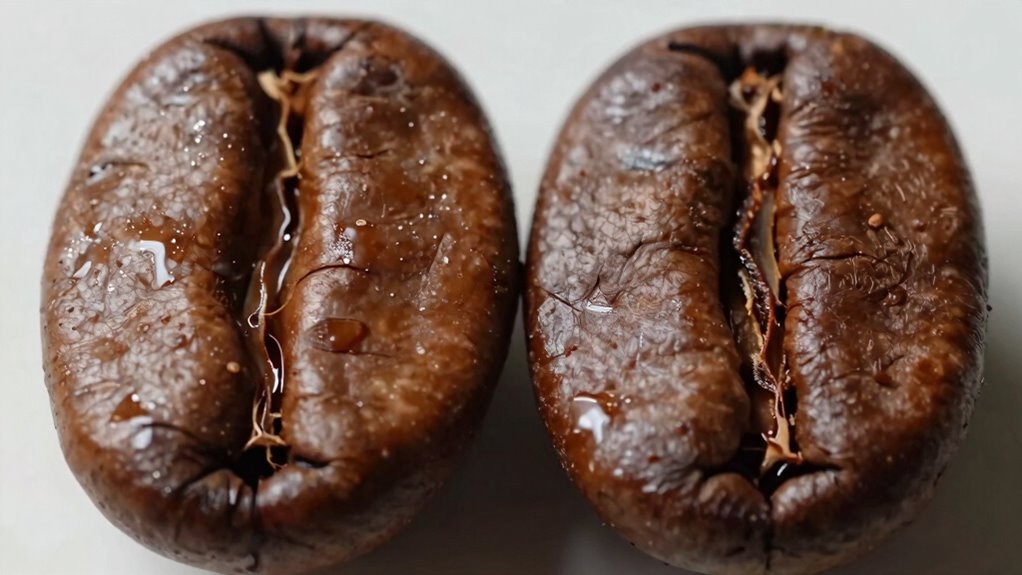
Have you ever wondered how the way coffee beans are processed affects their flavor? The processing method you choose—whether washed or natural—can dramatically influence the taste profile and how the beans interact with your palate. One of the key differences lies in fermentation techniques. When beans undergo washed processing, they’re soaked and fermented in water to remove the fruit’s mucilage. This fermentation is carefully controlled, often lasting just enough to break down the sugars without harming the beans. It’s a precise process that highlights bright, clean flavors, emphasizing acidity and clarity. Conversely, natural processing involves drying the beans with the fruit still attached, allowing fermentation to occur naturally as the beans dry. This slower, more spontaneous fermentation imparts fruitier, often more complex flavors, but it’s less predictable and can introduce variability in taste. The fermentation process plays a crucial role in shaping these flavor profiles and environmental impacts. Beyond flavor, the environmental impact of these methods varies significantly. Washed processing typically requires large amounts of water to clean and ferment the beans, which can be a concern in areas where water is scarce. The water consumption and waste generated in this process pose environmental challenges, especially if waste water isn’t properly managed. On the other hand, natural processing uses minimal water, often just enough to rinse the beans initially, making it a more sustainable option in water-limited regions. However, natural processing demands more space and time for drying, which can have its own environmental footprint if not managed responsibly. Proper water management practices are essential to reduce environmental impacts regardless of the method employed. Additionally, the type of processing method used can affect the resilience of coffee plants to environmental stressors. Implementing sustainable practices in both methods can help minimize their environmental footprint and support long-term coffee farming. Understanding how different processing techniques influence both flavor and sustainability is key to making informed choices. As you explore different coffees, understanding these processing differences helps you appreciate the broader story behind each cup. Washed coffees tend to be cleaner and more consistent, making them popular among those who favor bright, crisp flavors. Natural coffees offer a more robust, fruity profile, appealing to those who enjoy complexity and a touch of wildness in their brew. Both methods involve fermentation techniques that shape the final taste, but they also have distinct environmental footprints. By choosing coffees processed through sustainable practices, you support environmentally conscious farming and processing. So, next time you pick up a bag of coffee, consider not just the flavor but also the story behind how it was processed—each method tells a different water story, impacting both the environment and your experience of the brew.
coffee brewing equipment for washed coffee
As an affiliate, we earn on qualifying purchases.
As an affiliate, we earn on qualifying purchases.
Frequently Asked Questions
How Does Processing Affect Coffee Shelf Life?
Processing greatly impacts your coffee’s shelf life. Fermentation techniques and drying methods play key roles—washed processes often involve thorough drying, which can extend freshness, while natural methods may leave residual moisture, risking quicker spoilage. Proper drying guarantees minimal moisture, preventing mold and bacteria growth. So, if you want your coffee to stay fresh longer, choose beans processed with ideal drying techniques and be mindful of the fermentation process used.
Are Washed or Natural Coffees More Environmentally Sustainable?
Washed coffees tend to have a lower environmental impact because they use less water and energy, aligning better with sustainability practices. Natural coffees, while often more resource-intensive due to water use during drying, can still be sustainable if farms implement eco-friendly practices like water recycling and waste management. Ultimately, the sustainability of either method depends on how farms manage resources and adopt eco-conscious practices.
Which Processing Method Is More Labor-Intensive?
Ever wonder which processing method demands more effort? You’ll find that washed processing is more labor-intensive due to its processing complexity. It requires extensive water use, fermentation, and multiple washing steps, increasing labor demands considerably. On the other hand, natural processing involves less hands-on work, as the beans dry inside the fruit. So, if you’re considering labor demands, washed processing clearly takes more effort and resources.
How Do Processing Methods Influence Coffee Acidity?
Processing methods considerably influence coffee acidity through their fermentation impact and flavor development. Natural processing, with extended fermentation, often results in brighter, more pronounced acidity, as the beans absorb fruity notes during drying. Washed processing, with controlled fermentation, tends to produce a cleaner, milder acidity, highlighting the bean’s inherent flavors. Your choice depends on whether you prefer a vibrant, fruity profile or a smooth, refined cup.
Can Processing Methods Be Blended for Unique Flavors?
Absolutely, you can blend processing methods for a unique flavor fusion. By combining techniques like washed and natural processing, you create a processing synergy that results in complex, layered flavors. This blending allows you to experiment, highlighting different aspects of the coffee’s profile. It’s a creative way to craft a distinctive cup, emphasizing how processing choices directly influence the sensory experience you get from each brew.
Conclusion
Ultimately, whether you prefer washed or natural coffee, remember that variety is the spice of life. Each method offers unique flavors and stories, so don’t be afraid to explore both. As the saying goes, “Don’t put all your eggs in one basket,”—try different processing methods to discover what truly delights your palate. By understanding the water story behind each brew, you’ll appreciate your cup even more and find your perfect sip.
Halloween Picks
halloween
As an affiliate, we earn on qualifying purchases.