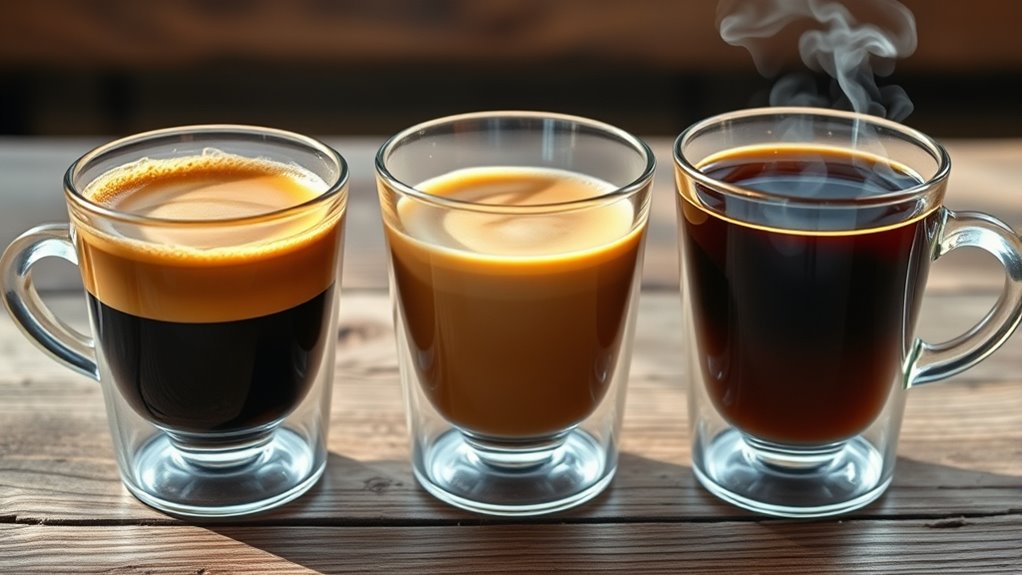
The caffeine in your cup depends on your brewing method, bean type, and temperature. Drip coffee and pour-over often provide more caffeine because hot water extracts more, especially if using Robusta beans. Cold brew tends to be concentrated, giving you more caffeine per serving, but it’s brewed cooler for a milder taste. Knowing how these factors interact can help you control your intake—if you want to understand what impacts caffeine levels, keep exploring the details.
Key Takeaways
- Different coffee beans contain varying caffeine levels, with Robusta generally higher than Arabica.
- Brewing temperature affects caffeine extraction; hotter water within recommended ranges extracts more caffeine.
- Brew methods like cold brew typically produce higher caffeine concentrations due to longer extraction times.
- Precise control of temperature and bean choice allows customization of caffeine content per cup.
- The brewing process impacts both flavor and caffeine strength, enabling tailored caffeine intake.

Have you ever wondered what’s really inside your favorite morning brew? The answer depends on more than just the coffee shop’s logo or the type of beans used. It’s shaped by the coffee bean varieties you choose and the brewing temperature you set. Different coffee beans, like Arabica or Robusta, contain varying levels of caffeine. Arabica beans tend to have less caffeine, usually between 1.2 to 1.5 percent, while Robusta beans pack a punch with about 2.2 to 2.7 percent caffeine. So, if you prefer a stronger kick, opting for Robusta or blends that include it can make a difference. But it’s not just about the beans — how you brew your coffee matters immensely. Brewing temperature, for instance, plays a *vital* role in extracting caffeine from the beans. Most brewing methods work best between 195°F and 205°F. If the water’s too hot, you risk over-extraction, leading to bitter flavors and potentially more caffeine than intended. If it’s too cool, you might under-extract, resulting in a weak cup with less caffeine. For example, drip coffee machines usually operate within that *ideal* temperature range, ensuring a balanced extraction. Pour-over methods, which require precise control of water temperature, allow you to fine-tune the extraction process, affecting both flavor and caffeine content. Cold brew, on the other hand, uses room temperature or cooler water over a long period, resulting in a different caffeine profile altogether—often more concentrated, but with a smoother taste. The brewing temperature also influences how much caffeine is dissolved from the beans. Higher temperatures tend to extract more caffeine, but too hot can lead to undesirable flavors. Conversely, lower temperatures extract less caffeine and can produce a milder cup. So, if you’re aiming for a caffeine-rich brew, hotter water within the recommended range is your best bet. But if you prefer a milder experience, cooler brewing temperatures might suit you better. Ultimately, your choice of coffee bean varieties and the precise brewing temperature you set will define how much caffeine ends up in your cup. It’s a delicate balance—adjusting either factor can change your caffeine intake *considerably*. Pay attention to these details, and you can customize your coffee to match your energy needs and taste preferences. Whether you like a robust espresso or a gentle cold brew, understanding these variables helps you control how much caffeine you’re consuming with each sip. Additionally, brewing temperature influences not only caffeine extraction but also the overall flavor profile of your coffee.

Lavazza Super Crema Whole Bean Coffee, Medium Espresso Roast, Arabica and Robusta Blend, 2.2 lb Bag, Package May Vary (Pack of 1)
SUPER CREMA: A 2.2 lb whole bean coffee bag ideal for espresso preparation
As an affiliate, we earn on qualifying purchases.
As an affiliate, we earn on qualifying purchases.
Frequently Asked Questions
How Does Water Temperature Affect Caffeine Extraction?
You’ll find that water temperature considerably impacts caffeine extraction. Higher temperatures improve extraction efficiency because they alter water chemistry, allowing caffeine molecules to dissolve more readily. When water is too cold, extraction slows down, leading to less caffeine in your cup. Conversely, boiling water maximizes extraction but can also extract bitter compounds. So, adjusting water temperature helps you control caffeine content and overall flavor, depending on your preferred brew strength.
Does Grind Size Impact Caffeine Content?
Yes, grind size impacts caffeine content by influencing caffeine extraction. When you use a finer grind, you increase the surface area, allowing water to extract more caffeine quickly. Conversely, a coarser grind slows caffeine extraction, resulting in less caffeine in your cup. So, pay attention to your grind size—finer for stronger caffeine punch, coarser for milder flavor—and enjoy better control over your caffeine intake.
Are There Health Risks From High Caffeine Levels?
High caffeine levels can pose health risks, especially if your caffeine metabolism is slow. You might experience increased heart rate, anxiety, or sleep issues. Consuming too much caffeine regularly could lead to long-term health implications like high blood pressure or bone density loss. It’s essential to monitor your intake and understand how your body processes caffeine to avoid these risks and maintain overall well-being.
How Does Brewing Time Influence Caffeine Concentration?
Don’t worry, longer brewing duration actually boosts caffeine concentration because it improves extraction efficiency. When you steep your coffee or tea longer, more caffeine dissolves into your drink. So, if you’re aiming for a stronger jolt, extending your brewing time makes a noticeable difference. Just keep in mind, overdoing it can lead to bitterness, but in regard to caffeine, a longer brew generally means a more potent cup.
Can Decaffeination Methods Remove All Caffeine?
Decaffeination methods can’t remove all caffeine, but they aim for high decaffeination efficiency. Chemical solvents like methylene chloride or ethyl acetate are often used to extract caffeine effectively, yet traces can remain. If you’re sensitive, choose labels that specify “decaffeinated” or “Swiss Water Process,” which use chemical-free methods. Remember, no process guarantees 100% caffeine removal, but most decaf coffees contain only minimal amounts.
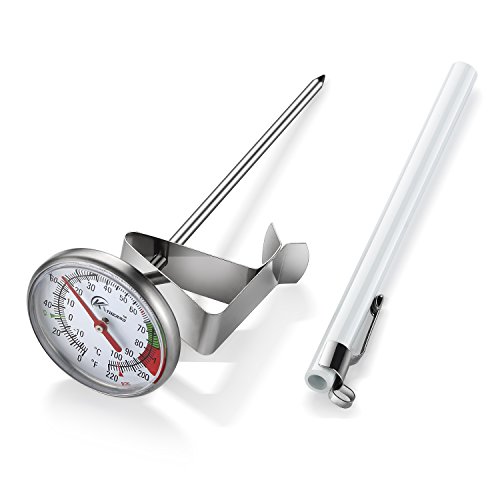
KT THERMO Instand Read 2-Inch Dial Thermometer,Best for The Coffee Drinks,Chocolate Milk Foam
DESIGN:Multi-stage design of the fixed clip, adjust the thermometer read the location of the disk surface to facilitate…
As an affiliate, we earn on qualifying purchases.
As an affiliate, we earn on qualifying purchases.
Conclusion
So, next time you brew, remember that your method impacts caffeine content considerably. For example, espresso packs about 63 milligrams per shot, while drip coffee can range from 95 to 200 milligrams per cup. Interestingly, a study found that brewing time and grind size can increase caffeine extraction by up to 30%. Knowing this helps you tailor your coffee to match your energy needs. Ultimately, your brew method shapes your caffeine experience more than you might think.

Cold Brew Mason Coffee Maker – 64oz Iced Coffee Pitcher with Stainless Steel Mixing Spoon & Super Dense Filter 3 Steps Finish Cold Brew Coffee, Classic BPA Free Sturdy Mason jar Pitcher Easy to Clean
[3 Steps Save 2000$]: Included in the package is a mixing spoon and instructions to help make it…
As an affiliate, we earn on qualifying purchases.
As an affiliate, we earn on qualifying purchases.
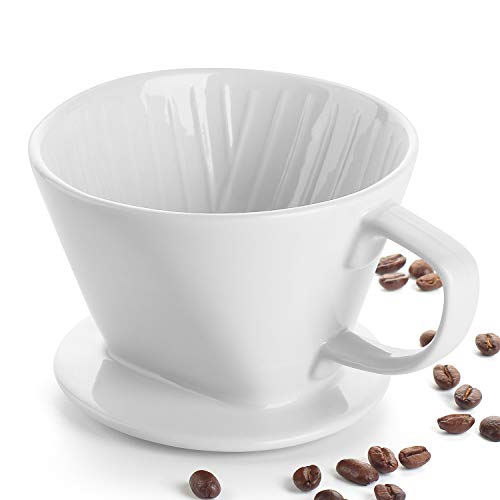
DOWAN Pour Over Coffee Maker, Non-Electric Pour Over Coffee Dripper, Manual Brew Maker, Single Cups Porcelain Slow Brewing Accessories for Gifts,White
Portable Handmade Brew – DOWAN ceramic pour-over coffee dripper lets you have a traditional, hands-on brewing experience. You…
As an affiliate, we earn on qualifying purchases.
As an affiliate, we earn on qualifying purchases.