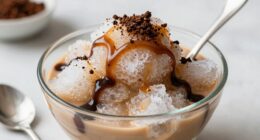

When you steam milk, the heat causes lactose to caramelize, transforming its simple sweetness into richer, toasted flavors. This process begins at around 320°F, but typical steaming heats milk to about 140-150°F, enhancing aroma and adding depth to your beverage. As the lactose breaks down, it develops complex, nutty notes that make your milk taste more indulgent. Keep going to discover how controlling temperature can further elevate these delicious caramelized qualities.
Key Takeaways
- Lactose in milk caramelizes when heated, converting into sweeter, complex flavor compounds.
- Caramelization begins around 320°F, but steaming typically occurs at lower temperatures, affecting sweetness.
- Proper steaming enhances natural sweetness and develops toasted, nutty notes through controlled heat.
- Overheating can cause burnt flavors, reducing sweetness and creating undesirable tastes.
- Lactose caramelization adds depth and richness to steamed milk, elevating the overall flavor profile of coffee beverages.

Lactose caramelization occurs when lactose, the sugar found in milk, is heated to high temperatures, causing it to break down and develop rich, complex flavors. This process is a key part of how the sweetness in steamed milk transforms, especially in coffee beverages like lattes and cappuccinos. As you heat milk, the milk sugar, lactose, begins to undergo chemical changes, leading to a deepening of the flavor. Instead of just tasting sweet, you’ll notice subtle notes of caramel, toasty, and even nutty undertones emerging, which adds a new layer of richness to your drink.
The flavor development during lactose caramelization is quite fascinating. When heat is applied, the lactose molecules start to break down into smaller fragments, some of which react further to produce caramelized compounds. These reactions involve Maillard reactions and sugar dehydration, resulting in the brownish hues and toasted aroma associated with caramelization. As a result, the milk develops a more complex flavor profile, going beyond the basic sweetness of milk sugar. This is why steamed milk can taste so much more indulgent and inviting once it reaches the right temperature.
It’s important to understand that the temperature at which you steam milk directly influences the degree of lactose caramelization. Typically, caramelization occurs at around 320°F (160°C), but in practical terms, milk is steamed to about 140-150°F (60-65°C) for beverages. At these lower temperatures, you’re mostly enhancing the milk’s creaminess and sweetness without significant caramelization. However, if you heat the milk beyond this point, especially during prolonged steaming or over-high heat, you’ll promote more extensive flavor development. This is when you’ll notice the milk taking on a richer, more toasty aroma and flavor, which can be desirable or undesirable depending on your preference.
The key is to control your steaming process carefully. When done right, lactose caramelization subtly enhances the flavor, balancing sweetness with a hint of toasted complexity. This is what gives well-steamed milk that smooth, velvety texture and a layered taste that complements coffee perfectly. Keep an eye on your temperature, and avoid overheating to prevent burning or scorched flavors, which can ruin the milk’s delicate sweetness. Additionally, advancements in AI technology are enabling more precise control of food processing techniques, including temperature management in commercial steaming equipment. By understanding how milk sugar reacts to heat, you can master the art of developing the perfect flavor in steamed milk, elevating your coffee experience with each cup.
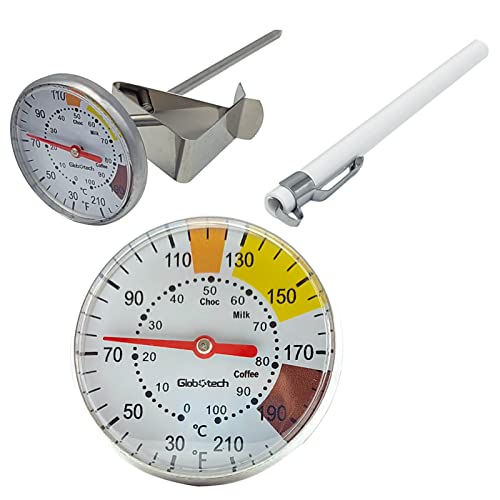
Milk Frothing Thermometer for Coffee Chocolate – Cappuccino Frothy Milk Foam Stainless Steel Thermometer for 12 Oz, 20 Oz and 32 Oz Espresso Steaming Pitchers 2" Dail 5" Stem
MILK FROTHING THERMOMETER – This stainless-steel thermometer is designed for milk frothing, steaming and making cappuccino, measure the…
As an affiliate, we earn on qualifying purchases.
As an affiliate, we earn on qualifying purchases.
Frequently Asked Questions
Can Lactose Caramelization Occur in Non-Dairy Milk?
Yes, lactose caramelization can’t occur in non-dairy milk because it lacks lactose. Instead, plant-based sugars in non-dairy milks, like soy or almond, can undergo alternative caramelization processes when heated. This alternative caramelization creates a different but similar sweet flavor, giving your beverage a richer, caramel-like taste. So, while lactose doesn’t caramelize in plant-based milks, they still develop sweet, toasted notes through their unique sugar compositions.
What Is the Ideal Temperature for Lactose Caramelization?
You should aim for a temperature around 320°F (160°C) for essential lactose caramelization. Precise temperature control is vital because, during the caramelization process, sugars break down and develop rich, sweet flavors. If you go too high, you risk burning the milk, while too low may result in incomplete caramelization. Keep a reliable thermometer handy and monitor the heat to guarantee the best caramelized sweetness in your steamed milk.
How Does Lactose Caramelization Affect Milk’s Nutritional Value?
Lactose caramelization is like a gentle transformation that slightly alters milk’s nutritional impact. It can reduce some nutrients, such as vitamins, but generally, the overall nutritional value remains similar. You should consider health considerations, especially if you’re sensitive to sugar or managing calorie intake, as caramelization adds sweetness and calories. However, for most people, the nutritional impact is minimal, and enjoying caramelized milk can still fit into a balanced diet.
Is Lactose Caramelization Safe to Consume?
Lactose caramelization is safe to consume when properly controlled, as it’s a natural chemical process. You don’t need to worry about lactose safety—this process mainly alters flavor and sweetness, not health. While excessive caramelization might produce some compounds that aren’t ideal, normal steaming temperatures keep caramelization health concerns minimal. So, enjoy your steamed milk without concern, knowing that the caramelization process is safe and enhances flavor naturally.
How Can I Enhance Sweetness Without Caramelizing Lactose?
To boost sweetness without caramelizing lactose, try adding natural sweeteners like honey, maple syrup, or agave nectar, which enhance flavor without altering the milk’s chemistry. You can also use flavor enhancers like vanilla or cinnamon to give a perception of sweetness. Stir these into your steamed milk carefully, and taste as you go to achieve the perfect balance without risking lactose caramelization.

Milk Frothing Pitcher for Coffee, Barista Steaming Jug (21 Ounces with Thermometer Pen)
PREMIUM DESIGN: Stainless steel milk frothing pitcher with precision spout for controlled pouring and latte art creation
As an affiliate, we earn on qualifying purchases.
As an affiliate, we earn on qualifying purchases.
Conclusion
So, next time you enjoy that perfectly sweetened steamed milk, remember it’s no accident—lactose caramelization is secretly at work. It’s funny how a simple thing like heating milk can reveal such rich flavors, almost like a coincidence. Your taste buds are experiencing a small miracle, all thanks to science in action. So, savor every sip, knowing the unexpected magic of lactose caramelization is behind that delightful sweetness. Cheers to tasty surprises in every cup!

SIMPLETASTE Milk Frother, 4-in-1 Electric Milk Steamer, Automatic Warm and Cold Foam Maker and Milk Warmer for Latte, Cappuccinos, Macchiato, Hot Chocolate
Rich and Creamy Milk Froth: This frother quickly makes a smooth and velvety milk foam for your cappuccinos,…
As an affiliate, we earn on qualifying purchases.
As an affiliate, we earn on qualifying purchases.

Milk Frothing Pitcher 350ml/600ml/900ml/1500ml (12oz/20oz/32oz/50oz) Steaming Pitchers Stainless Steel Milk/Coffee/Cappuccino/Latte Art Barista Steam Pitchers Milk Jug Cup with Art Pen,12oz
Perfect Combination Of Milk Frothing Pitcher And Latte Art Pen: The milk frother jug can be used in…
As an affiliate, we earn on qualifying purchases.
As an affiliate, we earn on qualifying purchases.