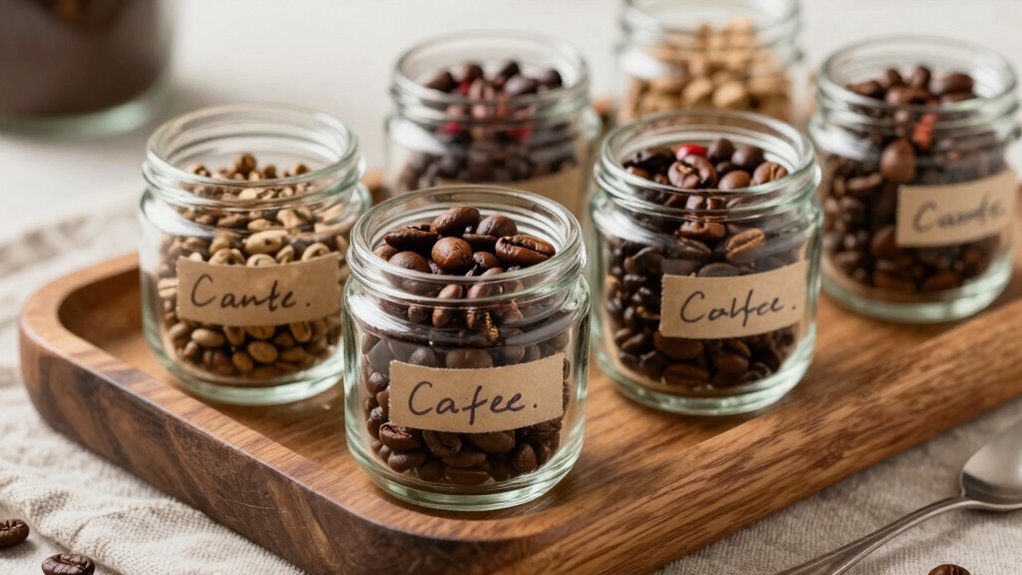

To choose beans by tasting notes without falling for hype, focus on your personal flavor preferences like brightness, fruitiness, or chocolate hints. Learn to interpret tasting notes as a flavor guide, considering origin, roast level, and processing methods that influence flavor. Avoid relying solely on packaging hype; instead, use those notes to match your taste. If you want to discover how to interpret these cues effectively, you’ll find helpful insights as you explore further.

Get coffee and tea gear delivered free — and shop member deals
- Fast, free delivery on millions of items
- Access to Prime Big Deal Days deals on October 6–7
- Prime Video, Amazon Music and more included
Key Takeaways
- Focus on genuine tasting notes that match your flavor preferences, rather than packaging or hype.
- Learn how roasting levels influence flavor to select beans aligned with your taste (light for fruity, dark for smoky).
- Understand the origin of beans to anticipate specific flavor profiles and avoid marketing hype.
- Recognize how processing methods alter clarity and brightness, guiding more informed choices.
- Use tasting notes as a roadmap, but verify through actual tasting or reputable reviews before buying.
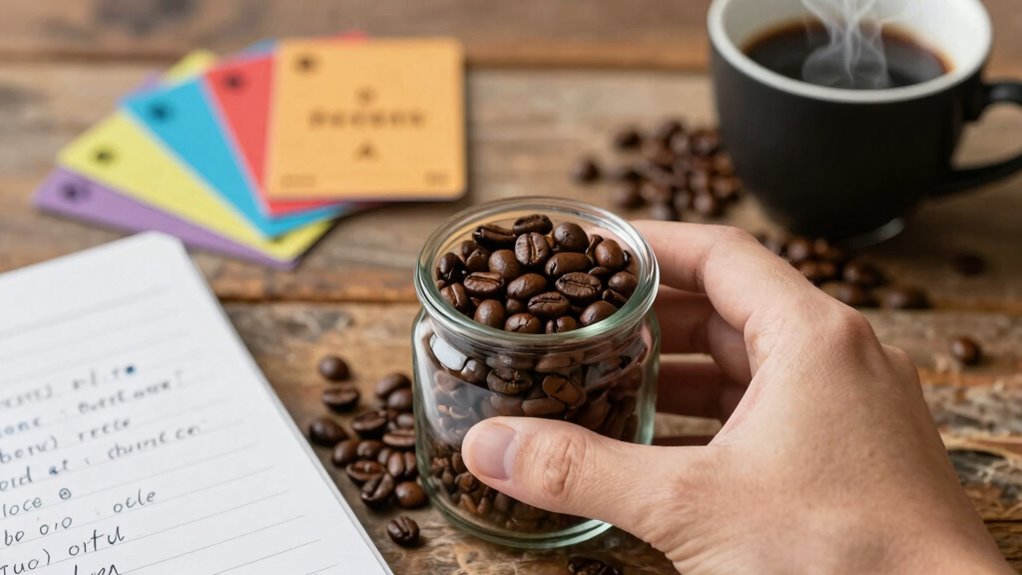
When selecting coffee beans, understanding their tasting notes can transform your brewing experience. Tasting notes give you insight into what flavors and aromas to expect, guiding you toward beans that match your preferences. Instead of relying on hype or flashy packaging, focus on flavor profiles that resonate with your palate. Whether you prefer bright, fruity acidity or deep, chocolatey richness, tasting notes act as a roadmap, helping you select beans that truly satisfy your taste buds.
Roasting levels play a significant role in shaping these flavor profiles. Light roasts tend to highlight the beans’ natural characteristics, often emphasizing bright, floral, and fruity notes. Medium roasts strike a balance, bringing out more body alongside the original flavors, sometimes with hints of caramel or nuts. Dark roasts, on the other hand, develop robust, smoky, and bittersweet qualities, often masking the beans’ intrinsic flavors for a more intense experience. Knowing how roasting levels influence flavor helps you choose beans that align with your preferred taste profile, rather than simply going for the most popular or commercially promoted options. Recognizing the influence of origin on flavor can further refine your selection process. Additionally, understanding the processing method used during coffee production can provide further clues about the flavor profile, as it impacts the clarity and brightness of the beans’ taste. A deeper understanding of processing techniques can help you predict how the coffee will taste before even brewing it. Exploring the specific techniques used in processing can reveal subtle differences that influence the final flavor, guiding you toward a more informed choice.
coffee beans tasting notes guide
As an affiliate, we earn on qualifying purchases.
As an affiliate, we earn on qualifying purchases.
Frequently Asked Questions
How Do I Identify Fake or Exaggerated Tasting Notes?
To identify fake or exaggerated tasting notes, trust your palate over hype. If a note sounds overly dramatic or inconsistent with the coffee’s flavor profile, it’s likely a case of flavor deception or note exaggeration. Be skeptical of notes that seem too good to be true or don’t match the beans’ origin. Practice tasting critically, compare multiple coffees, and develop your own flavor vocabulary to spot genuine notes from inflated claims.
Can Tasting Notes Vary Between Roasters for the Same Bean?
Tasting notes can be as varied as colors on a painter’s palette, even for the same bean. Different roasters influence flavor through their unique roasting styles, causing tasting notes to fluctuate. While flavor consistency is possible, roast influence often skews tasting notes, making them seem different. If you’re seeking reliable descriptions, focus on roasters known for consistency, but remember that individual interpretations can still color your perception.
Are There Specific Beans That Reliably Match Their Tasting Notes?
Some beans do reliably match their tasting notes because of strong flavor consistency and bean transparency. Look for single-origin beans from reputable roasters who prioritize transparency about their sourcing and processing. These beans tend to deliver consistent flavor profiles, helping you trust the tasting notes. However, always remember that roasting, freshness, and brewing method can influence flavor, so stay open-minded and taste for yourself to find what truly suits your palate.
How Does Storage Affect the Accuracy of Tasting Notes?
Think your beans’ flavor notes are locked in forever? Think again! Storage techniques directly impact flavor consistency, making your tasting notes more of a guessing game over time. Exposure to air, light, or humidity can dull or alter those delicate nuances you love. Keep your beans airtight, in a cool, dark place, and you’ll preserve their original profile. Otherwise, even the fanciest beans can become flavor chameleons.
What Tools or Methods Improve Tasting Note Accuracy?
To improve tasting note accuracy, you should use sensory training to sharpen your senses and better identify flavor profiles. Keep tools like cupping bowls, a timer, and a tasting wheel handy to standardize your evaluations. Practice regularly, focusing on specific flavor notes and aromas, and compare your notes over time. This active approach helps you develop consistency and trust in your tasting skills, reducing reliance on hype and enhancing your overall coffee experience.
Conclusion
Now that you know how to navigate tasting notes without getting caught in the hype, remember to trust your palate as your compass. Think of each cup as a personal journey through a flavor landscape, where your preferences guide you more than any marketing hype. With this knowledge, you’ll confidently select beans that truly sing to your taste buds, turning every brew into a delightful adventure—your very own flavor map waiting to be explored.
Fall Picks
fall essentials
As an affiliate, we earn on qualifying purchases.