
Storing your beans in warm, unstable environments accelerates flavor loss and aroma degradation. Heat causes chemical reactions that break down oils and aromatic compounds, making your beans taste dull or rancid. Excess moisture from warmth can lead to mold and bacteria, further spoiling the beans. Poor storage shortens shelf life and hampers brewing or cooking quality. Keep your beans in a cool, dark, and dry spot for maximum freshness—stay tuned to discover how to do it right.
Key Takeaways
- Warm storage accelerates chemical reactions that degrade oils and aromatic compounds, dulling bean flavor.
- Elevated temperatures increase moisture absorption, promoting mold growth and spoilage.
- Fluctuating temperatures cause beans to expand and contract, damaging bean integrity and aroma.
- Poor placement near heat sources or windows exposes beans to temperature swings, reducing freshness.
- Improper storage conditions lead to faster flavor loss, rancidity, and compromised brewing quality.
Have you ever wondered how storage temperatures impact the freshness of your beans? If you’re storing beans in a warm place, you might not notice right away, but the effects can be significant. Warm environments encourage moisture absorption, which is one of the main reasons beans can lose their freshness quickly. When beans sit in a warm area, they tend to draw in moisture from the surrounding air, especially if the container isn’t airtight. This extra moisture creates a breeding ground for mold and bacteria, which can spoil your beans faster and compromise their flavor. It’s not just about moisture — temperature fluctuations also play a big role. When temperatures swing up and down, beans expand and contract, which can cause the beans’ structure to weaken over time. These constant changes in temperature accelerate the deterioration process, making your beans stale or rancid much sooner than if they were stored in a cooler, stable environment.
You might think that keeping beans in a warm spot is convenient, but it’s a trade-off that costs flavor. The heat speeds up chemical reactions inside the beans, leading to the breakdown of oils and aromatic compounds that give your beans their rich flavor. Over time, this results in duller, less vibrant beans that don’t taste as good. Plus, the risk of moisture absorption increases in warm storage, further degrading the quality. When beans absorb excess moisture, they often become sticky or clumpy, making them harder to grind or brew properly. This moisture also encourages mold growth, which can be dangerous to consume. If you notice a musty smell or see mold, it’s a clear sign that your storage conditions aren’t ideal. Proper storage conditions are essential to maintaining the freshness of beans, as they directly influence the preservation of their natural oils and aroma.
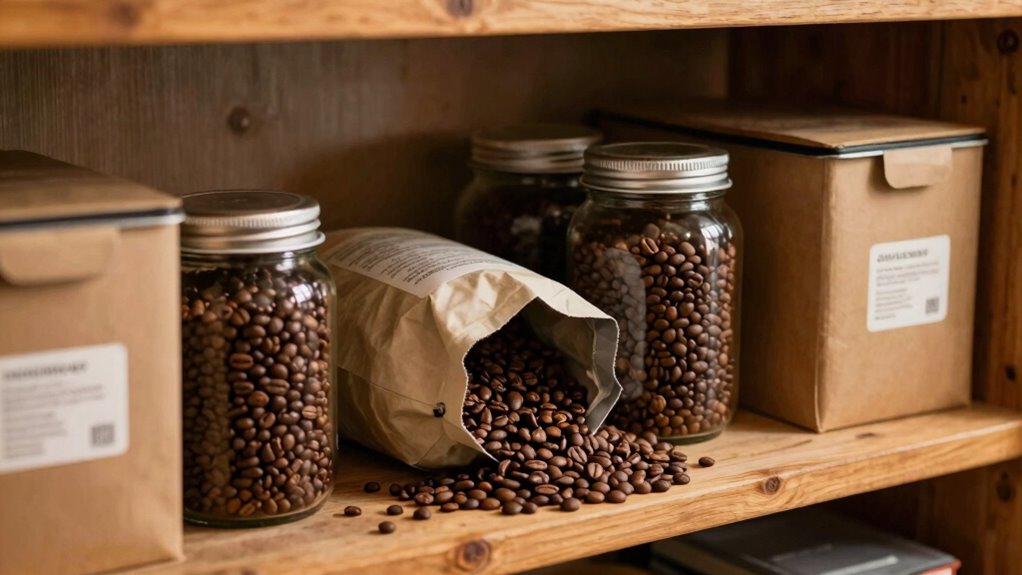
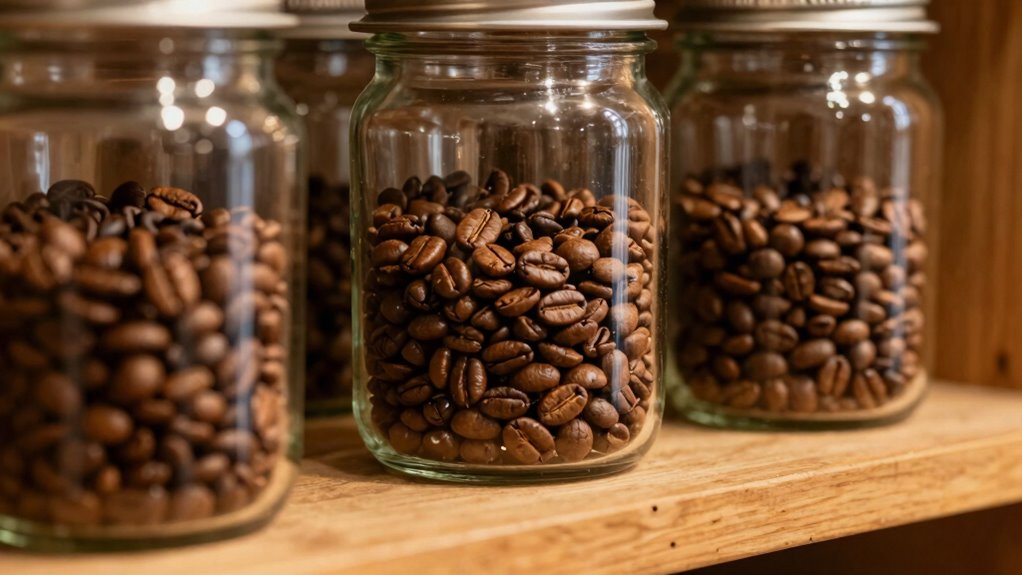
Additionally, storage environment plays a crucial role in maintaining bean quality and extending their shelf life. To preserve the freshness and flavor of your beans, it’s best to store them in a cool, dark, and dry place. Avoid areas with fluctuating temperatures, like near the stove or windowsills, where heat can rise and fall unpredictably. Using airtight containers helps prevent moisture absorption and shields beans from humidity changes. You want a stable environment that keeps the beans dry and cool, reducing the risk of flavor loss and spoilage. Maintaining a consistent temperature minimizes chemical reactions that lead to flavor deterioration, ensuring your beans stay fresh longer. Proper storage also helps prevent the beans from becoming clumpy or sticky, which can impact brewing and taste quality. Remember, the effort you put into proper storage directly affects the quality of your brew or meal. When you choose the right storage conditions, you protect the beans’ natural oils, aroma, and texture, ensuring every cup or dish highlights their best qualities.
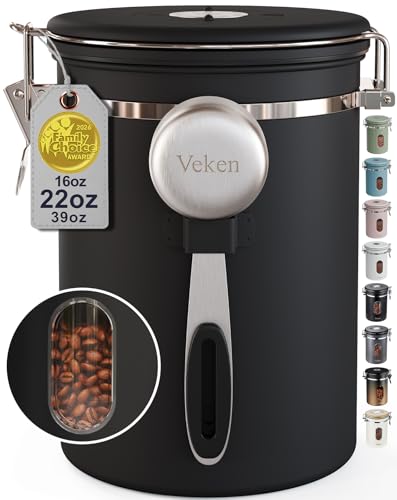
Veken Coffee Canister with Window,Airtight Stainless Steel Pantry Container,Kitchen Food Storage Organizers for Beans,Ground,Espresso,Rice,Tea,Sugar, Cereal, Bar Accessories,Gifts,Lids,Jars,22OZ,Black
- Gift for Coffee Enthusiasts: Stylish jar for coffee lovers and gifting
- Date Tracker and Window: Track expiry dates and see contents easily
- Includes Free Coffee Scoop: Stainless steel scoop with hook attachment
As an affiliate, we earn on qualifying purchases.
As an affiliate, we earn on qualifying purchases.
Frequently Asked Questions
How Does Temperature Affect Bean Flavor Over Time?
Temperature impacts bean flavor by accelerating flavor degradation and aroma loss over time. When beans are stored in warm conditions, their freshness diminishes quickly, leading to duller taste and weaker aroma. You’ll notice a less vibrant flavor and diminished aromatic qualities. To preserve the best flavor, keep beans in cool, consistent temperatures, avoiding heat that speeds up flavor degradation and aroma loss, ensuring your coffee remains fresh and flavorful longer.
What Are Ideal Storage Conditions for Maintaining Bean Freshness?
You should store your beans in an airtight package to protect their freshness, ideally in a cool, dark place. Keep the storage humidity low to prevent mold and staling. Avoid warm temperatures, as they accelerate flavor loss. Proper bean packaging and maintaining consistent, low humidity levels help preserve the beans’ aroma and flavor over time, ensuring you enjoy fresh-tasting coffee with every brew.
Can Warm Storage Cause Mold or Spoilage in Beans?
Yes, warm storage can cause mold growth and increase the spoilage risk in beans. When beans are kept at higher temperatures, moisture levels can rise, creating an ideal environment for mold to develop. This not only affects their flavor and texture but also poses health risks. To prevent this, you should store beans in a cool, dry place and avoid exposure to heat or humidity, ensuring they stay fresh longer.
How Quickly Do Beans Lose Freshness in Warm Environments?
Beans lose freshness faster than a snowflake melts in the sun, especially in warm environments. In just a few days, their bean aroma diminishes as moisture control falters, inviting stale flavors and potential mold. Warm storage accelerates degradation, making it essential to keep beans cool and dry. If you neglect moisture control, your beans will quickly become dull, losing their vibrant aroma and fresh flavor in no time.
Are There Specific Storage Containers That Preserve Bean Quality?
You should use airtight containers with moisture barriers to preserve bean quality effectively. These containers prevent exposure to air and humidity, which accelerate freshness loss. Look for options that seal tightly and are made from materials that block moisture and oxygen. By storing beans this way, you help maintain their flavor and aroma longer, reducing spoilage and ensuring they stay fresh for your brewing or cooking needs.
Conclusion
So, savor the subtlety of storage choices. Keep your beans cool, and your coffee’s charm will stay crisp and enthralling. Don’t let warmth worsen your beans’ freshness; instead, select smarter storage solutions. Small shifts in storage can greatly spice up your sip, ensuring each brew bursts with boldness. Remember, proper placement preserves perfection—protect your prized beans from the perils of poor storage, and enjoy every exceptional, flavorful sip. Proper placement promotes pure, pleasurable pleasure.