Many so-called “anti-scale” devices claim to prevent mineral buildup by using physical methods like magnets or electric fields. However, these approaches don’t change water chemistry or stop minerals like calcium from crystallizing. Without addressing the root cause, scale still forms over time. To truly prevent buildup, you need chemical treatments that modify water’s mineral content. Keep exploring to understand why relying solely on physical devices often falls short and what solutions work best.
Key Takeaways
- Many “anti-scale” devices rely on physical processes that do not alter water chemistry or prevent mineral crystallization.
- True scale prevention requires chemical treatments that interfere with mineral growth, not just physical modifications.
- Physical devices may offer short-term benefits but lack long-term effectiveness in preventing mineral buildup.
- Combining chemical scale inhibitors with physical devices provides more reliable, comprehensive scale control.
- Relying solely on physical “scale inhibitors” is a myth; effective prevention involves proper water chemistry management.
Have you ever wondered how industries prevent the buildup of mineral deposits in pipes and equipment? It all comes down to understanding water chemistry and controlling mineral buildup. When water flows through pipes, it contains dissolved minerals like calcium and magnesium. As the water heats or evaporates, these minerals tend to crystallize and form deposits, leading to scaling. Over time, this mineral buildup can clog pipes, reduce efficiency, and cause costly damage. That’s why industries seek effective solutions to inhibit scale formation.
Understanding water chemistry is key to preventing mineral buildup in pipes and equipment.
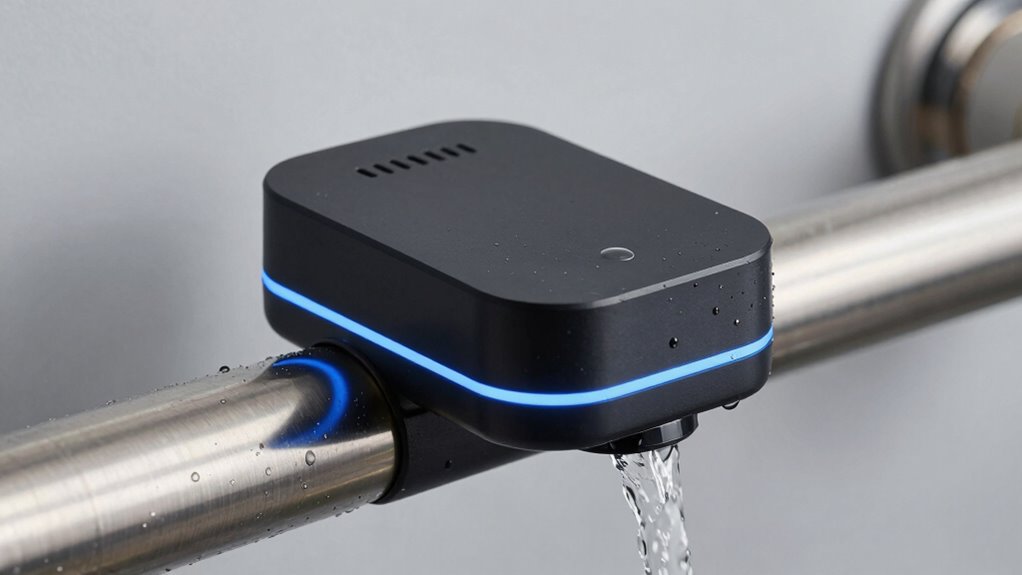
Many believe that installing a simple “anti-scale” device will solve all scaling problems. These devices, often marketed as scale inhibitors, claim to prevent mineral deposits from forming without altering the water chemistry. But the truth is, the effectiveness of these devices is frequently overstated. Most rely on physical processes like magnetic or electric fields, which have limited scientific backing. They don’t actually change the chemistry of the water or prevent minerals from crystallizing; instead, they may only influence the shape or size of crystals temporarily, if at all.
Understanding how scale inhibitors work requires grasping the role of water chemistry. Proper water treatment involves adjusting pH levels, controlling temperature, and sometimes adding chemical agents that interfere with mineral crystallization. These chemicals, known as chemical scale inhibitors, work by binding to calcium and magnesium ions or by altering crystal growth patterns. This prevents the minerals from forming large, adherent deposits that can stick to surfaces. Instead, they remain in a form that’s easier to flush away or less likely to cause problems.
It’s important to note that physical devices often don’t address the root cause—water chemistry. They might provide some short-term benefits, but they don’t fundamentally alter the mineral content or prevent scale formation from happening altogether. Relying solely on these devices without proper chemical treatment or water management can lead to persistent scaling issues. For more reliable results, industries typically combine physical methods with chemical treatments that modify water chemistry and reduce mineral buildup.
As an affiliate, we earn on qualifying purchases.
Frequently Asked Questions
Do Scale Inhibitors Work With All Types of Minerals?
Scale inhibitors don’t work with all types of minerals due to mineral specificity. They’re most effective against calcium and magnesium, which cause common scale buildup. However, compatibility issues can arise with other minerals like iron or silica, reducing efficiency. Before installing a scale inhibitor, check its suitability for your water’s mineral content to make certain it works effectively and prevents unwanted mineral interactions.
Are Scale Inhibitors Environmentally Friendly and Safe?
Think of scale inhibitors as gentle guardians for your plumbing—they’re generally eco-friendly and safe. Most use eco-friendly formulations that minimize environmental impact, making them a responsible choice. While they effectively reduce scale buildup, it’s important to select products with proven safety data. You can confidently use them knowing they’re designed to protect your system without harming the environment or aquatic life.
How Long Do Scale Inhibitors Typically Last?
Scale inhibitors typically last between 1 to 3 years, depending on water quality and usage. You should watch for replacement indicators like reduced effectiveness or increased scaling buildup, which signal it’s time to replace them. Chemical longevity varies based on factors like flow rate and mineral content, so regular inspections help guarantee maximum performance. Keep an eye on these indicators to maintain your system’s efficiency and prevent scale-related issues.
Can Scale Inhibitors Be Used in Residential Systems?
Back in the day, you might have thought scale inhibitors were only for industrial use, but now, you can definitely use them in residential installations. They’re great for DIY applications, helping prevent buildup in your pipes and appliances. Just make certain you select the right type for your water system, follow installation instructions carefully, and you’ll be able to extend the lifespan of your plumbing without a hassle.
What Are the Signs That a Scale Inhibitor Needs Replacement?
You’ll notice signs that your scale inhibitor needs replacement when you see decreased water flow, mineral buildup, or increased energy costs. These are clear replacement indicators, signaling the end of its lifespan. Typically, a scale inhibitor lasts 3 to 5 years, but this varies. Regular inspections help you stay ahead, ensuring your system remains protected. When performance drops, it’s time to replace the device to maintain efficiency.
Conclusion
Now that you know the truth about scale inhibitors, you can see they’re not magic bullets but clever tools to help prevent buildup. Think of them as your trusty sidekick, working behind the scenes to keep your system running smoothly. Remember, no single device can stop scale entirely, but understanding how these inhibitors work puts you in the driver’s seat. With this knowledge, you’re better equipped to tackle scale issues head-on, like a pro steering through choppy waters.