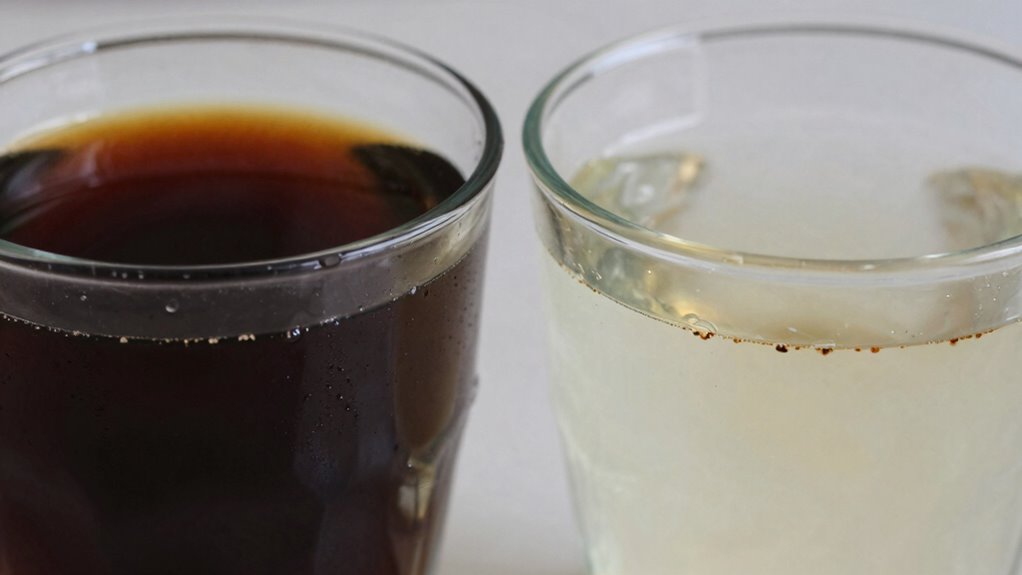
If you notice cold brew tasting like two different drinks, it’s because of how each method extracts flavors. Immersion brews by soaking coarsely ground coffee directly in cold water for several hours, producing a rich, smooth, full-bodied taste with chocolate and caramel notes. In contrast, slow drip filters water gradually through the coffee, resulting in a cleaner, brighter brew that highlights delicate aromas. Understanding these differences helps you choose the right style for your ideal flavor experience—there’s more to discover if you keep exploring.
Key Takeaways
- Immersion yields a rich, full-bodied flavor with deep, roasted notes, while slow drip produces a cleaner, brighter, and more nuanced taste.
- Extended contact time in immersion extracts both soluble and insoluble compounds, resulting in a mellow, balanced profile; slow drip’s gradual filtration emphasizes delicate aromas.
- Cold temperatures prevent bitter and acidic flavors, but extraction methods influence which flavors are emphasized and how intense they taste.
- Immersion’s longer steeping time creates a bold, full-bodied brew, whereas slow drip offers a lighter, more refreshing cup with crisp clarity.
- The brewing technique and contact time directly impact flavor complexity, making cold brew taste like two distinct drinks based on the method used.
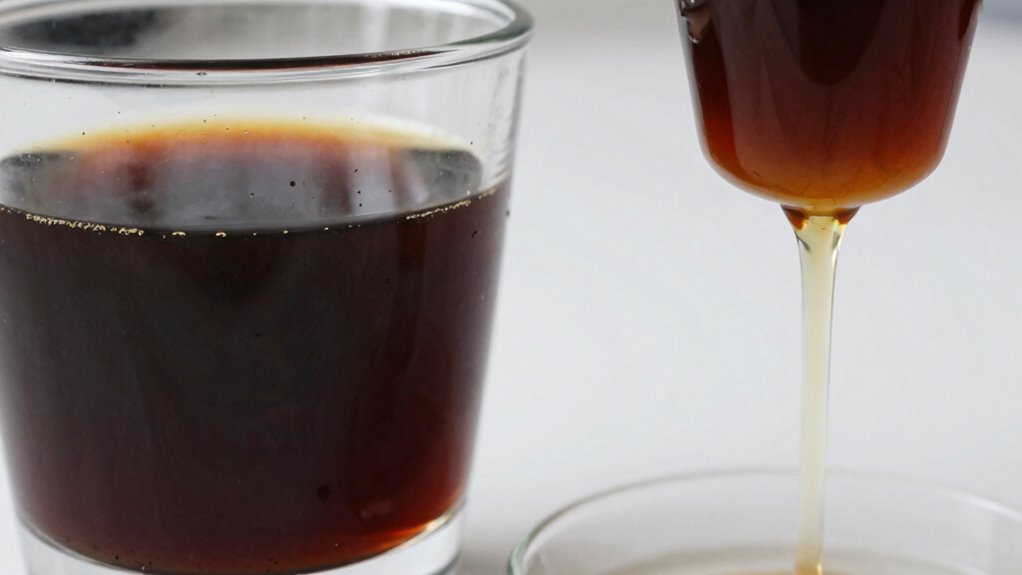
When it comes to making cold brew coffee, choosing between immersion and slow drip methods can considerably impact the flavor and brewing experience. Both techniques draw out different flavor profiles, largely influenced by their unique approaches to extraction and brewing temperatures. Understanding how each method works helps you craft a cold brew that matches your taste preferences.
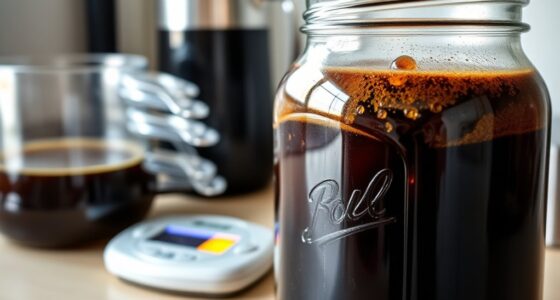
With immersion brewing, you submerge coarsely ground coffee directly in cold water, then let it steep for an extended period—usually 12 to 24 hours. This method results in a rich, smooth, and full-bodied coffee because the grounds are immersed entirely in water, allowing for consistent extraction. The flavor profiles tend to be more intense, with pronounced chocolate, caramel, and nutty notes, thanks to the prolonged contact and low brewing temperatures. Because you’re brewing at cold temperatures, the extraction process is gentle, preventing the bitter, acidic flavors often associated with hot brewing. Instead, you get a mellow and balanced flavor, perfect for those who prefer a sweeter, less acidic cold brew.
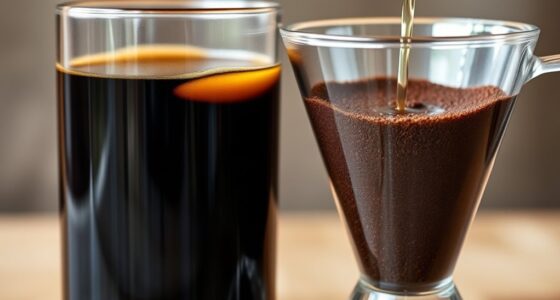
On the other hand, slow drip cold brew uses a drip tower or slow-flow system where cold water gradually filters through coffee grounds. This process is more controlled, often taking several hours, and involves lower brewing temperatures as well. The key difference lies in how the water interacts with the grounds—it’s a continuous, slow extraction that produces a cleaner, brighter flavor profile. The slow drip method tends to emphasize the coffee’s more delicate and nuanced notes, such as fruity or floral aromas, which might be overshadowed in immersion brewing’s bolder profile. Because the extraction happens gradually, the resulting cold brew often has a lighter body, with a crispness and clarity that’s distinct from immersion brews.
Brewing temperatures play a essential role in shaping each method’s flavor. Both methods operate at cold temperatures, but the duration and contact method influence how these temperatures affect extraction. In immersion brewing, the extended steeping period at cold temperatures allows for a thorough extraction of both soluble and some insoluble compounds, resulting in a rich, complex flavor. Conversely, slow drip’s controlled, slow filtration at cold temperatures extracts flavors more selectively, often preserving more of the coffee’s original brightness and subtlety.
Additionally, understanding the importance of temperature control in cold brew methods can help you optimize flavor extraction and achieve desired taste profiles. Ultimately, your choice between immersion and slow drip depends on your flavor preferences. If you want a bold, full-bodied cold brew with deep, roasted notes, immersion might be the way to go. If you prefer a cleaner, more delicate profile that highlights the coffee’s nuanced characteristics, slow drip could be your best bet. Both methods showcase how brewing temperatures and extraction techniques shape the final taste, offering you different experiences with every brew.

QHH Cold Brew Coffee Maker, 64 oz Mason Jar Pitcher with Stainless Steel Filter, Pour Spout Handle Lid, Airtight & Leak-Proof for Iced Coffee,Tea & Lemonade
- Maximum Safe Water Temperature: 60°C (140°F)
- Includes Mason Jar & Accessories: Pitcher, filter, cleaning brush
- Large 64 oz Capacity: Suitable for daily use
As an affiliate, we earn on qualifying purchases.
As an affiliate, we earn on qualifying purchases.
Frequently Asked Questions
How Does Grind Size Affect Cold Brew Flavor?
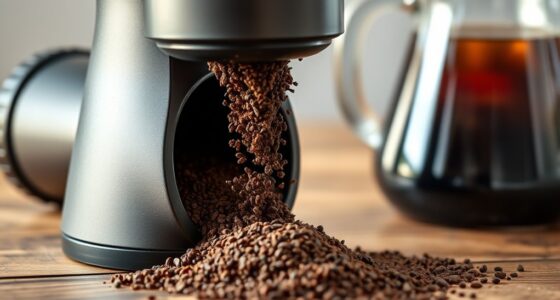
Your grind size directly impacts cold brew flavor extraction. A coarser grind slows down extraction, resulting in a smoother, less bitter taste with more subtle notes. Conversely, a finer grind speeds up extraction, which can lead to stronger, more intense flavors but also increased bitterness and over-extraction. Adjusting your grind size helps you control the balance of flavor, ensuring your cold brew tastes just the way you like it.
Can Brewing Method Change Caffeine Content Significantly?
Yes, your brewing method can markedly change caffeine content and coffee strength. Immersion brewing typically results in higher caffeine variability because of longer extraction times, while slow drip methods often produce a more consistent caffeine level. You might notice that the brewing process influences how strong or weak your cold brew tastes, depending on factors like brew time, grind size, and temperature, affecting your overall caffeine experience.
What Equipment Is Best for Immersion Versus Slow Drip?
For immersion brewing, you’ll want a large pitcher or jar with a lid, making certain it’s easy to stir and clean for proper equipment maintenance. It typically requires a longer brew time, around 12-24 hours. For slow drip, use a specialized cold brew coffee maker with a drip tower or filtration system, which allows control over brew time and simplifies maintenance. Both methods need regular cleaning to guarantee the best flavor.
How Long Should Each Method Steep for Optimal Flavor?
For ideal flavor extraction, you should steep immersion cold brew for 12 to 24 hours, depending on your taste preference, and aim for 3 to 4 hours with slow drip. Longer steep times enhance richness and depth, but avoid overdoing it to prevent bitterness. With slow drip, a shorter steep time keeps a bright, clean flavor, while longer periods deepen the profile. Adjust based on your preferred flavor intensity.
Does Temperature Impact the Taste Difference Between Methods?
They say “temperature is a key to unbolt flavors,” and it’s true for cold brew. Your temperature influence affects flavor perception considerably—warmer water extracts more oils and acids, altering taste, while colder water preserves smoother, subtle notes. With immersion and slow drip, temperature changes can make one method taste brighter or more balanced than the other. So, adjusting brewing temperature lets you customize your cold brew’s flavor profile to suit your preference.
Conclusion
Now that you know the difference between immersion and slow drip cold brew, you can choose your perfect brew style. Did you know that immersion brewing accounts for about 70% of the global cold brew market? Whether you prefer the bold, rich flavor of immersion or the smoother, cleaner taste of slow drip, experimenting with both can elevate your coffee experience. So go ahead, try them out and discover which style truly wakes up your senses!