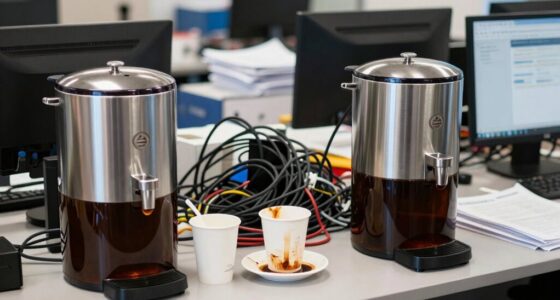

Microdosing caffeine means taking small amounts—around 50 to 100 mg—that boost your alertness without the jitters or crashes typical of larger doses. By sipping small doses, you can enhance focus, mood, and energy while minimizing side effects. It requires careful monitoring to find your ideal amount, and timing is key to avoid sleep disruptions. Curious to learn how to optimize your microdosing routine? Keep exploring for practical tips and strategies.

Get coffee and tea gear delivered free with Prime
- Fast, free delivery on millions of items
- Prime Video, Amazon Music and more included
- Member-only deals all year
Key Takeaways
- Microdosing caffeine involves small, controlled amounts (50-100 mg) to boost alertness without jitters or crashes.
- It enhances mental clarity, mood, and sustained energy while minimizing negative side effects.
- Proper timing and dosage are crucial to optimize benefits and avoid sleep disturbances or irritability.
- Monitoring individual response helps find the ideal dose for consistent focus and alertness.
- Combining microdosing with healthy lifestyle habits maximizes results and maintains safety.
Microdosing caffeine involves taking small, controlled amounts of the stimulant to boost alertness and focus without the jitters or crashes associated with larger doses. This approach allows you to harness caffeine’s benefits while minimizing its downsides. The key to successful microdosing lies in understanding the benefits and risks, as well as determining the ideal dosage. When done correctly, microdosing can enhance cognitive function, improve mood, and sustain energy levels throughout your day. You might notice increased mental clarity, quicker reaction times, and a more consistent focus that doesn’t ebb and flow like with traditional caffeine consumption. Many people find that microdosing helps them avoid the common pitfalls of larger doses, such as jitteriness, anxiety, and the dreaded energy crash once the effects wear off.
However, it’s vital to recognize that there are risks involved with even small amounts of caffeine if not managed carefully. Overdoing it can still lead to unwanted side effects, including increased heart rate, irritability, or difficulty sleeping later in the day. Because everyone’s sensitivity to caffeine varies, it’s essential to start with a very low dose and monitor how your body responds. The ideal dosage for microdosing caffeine generally ranges from about 50 to 100 milligrams, roughly equivalent to half a cup of coffee or a single shot of espresso. This amount is enough to provide a noticeable boost without overwhelming your system or causing negative side effects. Remember, the goal is to find that sweet spot where you gain the benefits while keeping the risks at bay.
To determine your optimal dosage, pay close attention to how you feel after each small dose. If you notice jitteriness or difficulty sleeping, reduce your intake. Conversely, if you feel sluggish or unmotivated, a slightly higher dose might be appropriate. It’s also wise to limit microdosing to certain times of day to avoid disrupting your sleep cycle. Consistency is key, so try to stick to a routine once you’ve found your ideal amount. Keep in mind that other factors like hydration, nutrition, and overall health influence how caffeine affects you, so consider these elements as part of your microdosing strategy. With careful attention to your body’s signals, microdosing caffeine can be a safe and effective way to elevate your focus, energy, and mood without the drawbacks of traditional caffeine consumption.
As an affiliate, we earn on qualifying purchases.
Frequently Asked Questions
Can Microdosing Caffeine Replace Traditional Coffee Consumption?
Microdosing caffeine can replace traditional coffee consumption for some, but it’s not a one-size-fits-all solution. By taking small, controlled doses, you may reduce caffeine dependency and slow tolerance development. However, it requires discipline and careful monitoring to avoid overuse. While it offers a more sustainable way to boost alertness, it might not fully satisfy your habitual coffee craving or provide the same comfort, so consider your personal needs before making the switch.
Are There Long-Term Health Risks Associated With Microdosing Caffeine?
They say “an ounce of prevention is worth a pound of cure,” and long-term microdosing caffeine can pose risks. You might develop caffeine dependence, leading to withdrawal symptoms, and it could impact your cardiovascular health over time. While small doses seem safe now, stay aware of potential risks, and always listen to your body. Moderation and regular check-ins are key to avoiding long-term health issues.
How Does Microdosing Caffeine Affect Sleep Quality?
Microdosing caffeine can improve your sleep quality by reducing its impact on your caffeine metabolism, allowing your body to process it more efficiently. Since you’re taking only small amounts, you’re less likely to experience sleep disturbances caused by higher doses. This approach helps you enjoy better sleep improvement while still benefiting from alertness. Just be mindful of timing, so caffeine doesn’t interfere with your sleep schedule.
What Are the Best Methods for Measuring Tiny Caffeine Doses Accurately?
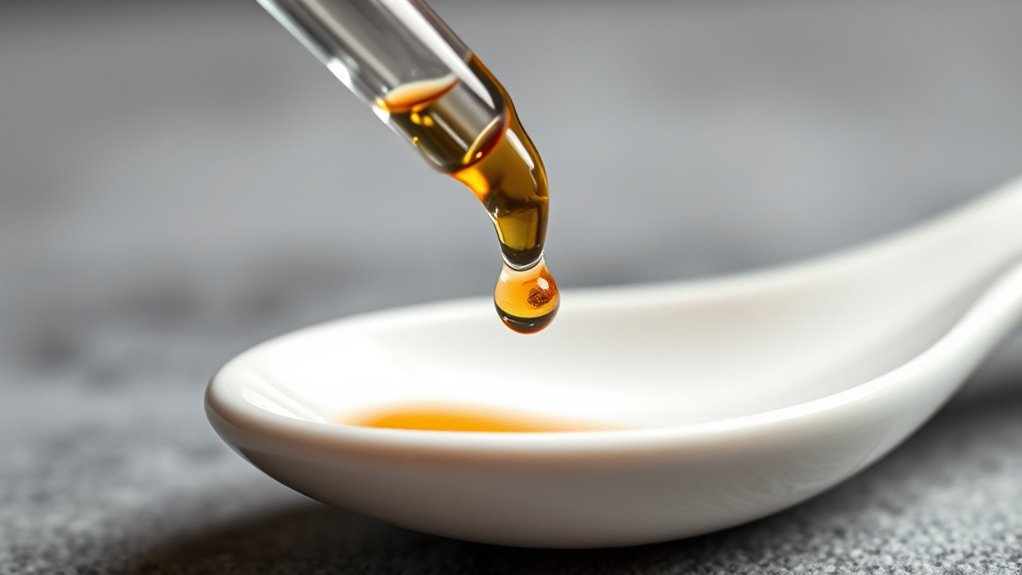
You can’t afford to guess when it comes to tiny caffeine doses—you need precision measurement tools. Use a highly accurate digital scale, capable of measuring milligrams, to guarantee dosing accuracy. Pipettes or syringe-based tools also help dispense small amounts precisely. Always calibrate your equipment regularly, and keep detailed logs of your doses. This way, you’ll master microdosing caffeine with confidence, enjoying consistent, safe, and effective results every time.
Is Microdosing Caffeine Suitable for Individuals With Caffeine Sensitivities?
If you have caffeine sensitivity, microdosing might not be suitable, as even small doses can trigger adverse effects. You should start with very low caffeine amounts and carefully observe how your body reacts. It’s vital to adjust your dosage gradually and consult a healthcare professional before trying microdosing. This way, you can guarantee safe caffeine intake while minimizing potential negative impacts related to caffeine sensitivity.
Conclusion
Just like a tiny spark can ignite a blazing fire, microdosing caffeine offers a subtle boost without the jitters. Imagine starting your day with a sip, feeling alert yet calm—it’s like tuning a guitar string just right. Studies show that small doses can enhance focus and productivity. So, if you’re seeking a gentle yet effective way to power through your day, microdosing caffeine might be your secret weapon—small sips for big results.
Halloween Picks
halloween
As an affiliate, we earn on qualifying purchases.