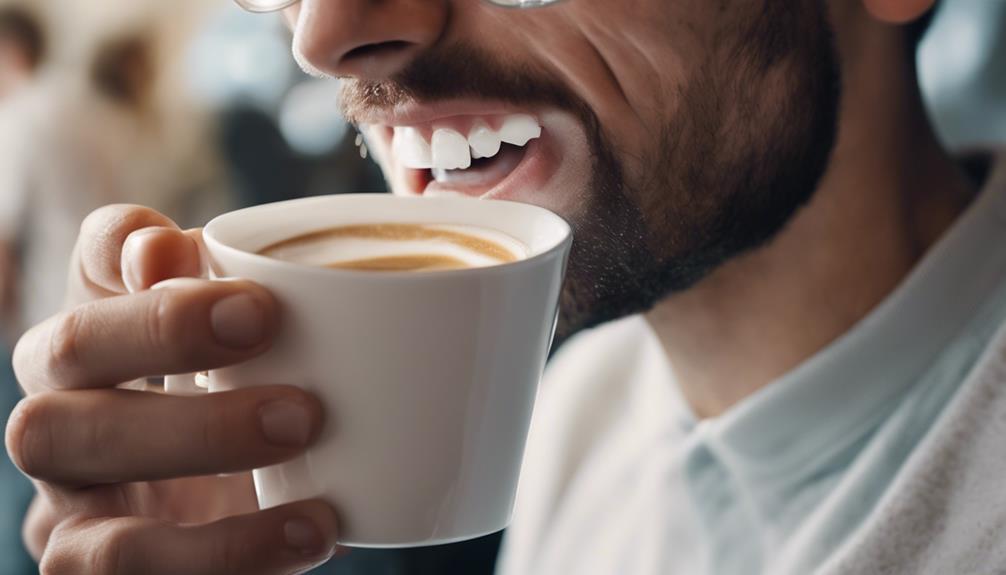
While headlines often highlight caffeine’s potential to lower calcium absorption and weaken bones, they skip the complexity of how coffee interacts with your overall diet and lifestyle. Moderate coffee intake can be balanced with calcium-rich foods and exercise, which supports bone strength. Caffeine can increase calcium loss, but antioxidants in coffee might help reduce inflammation and oxidative damage that harm bones. To fully understand how coffee impacts your bones, consider all these factors—there’s more to explore if you keep looking.

Get coffee and tea gear delivered free with Prime
- Fast, free delivery on millions of items
- Prime Video, Amazon Music and more included
- Member-only deals all year
Key Takeaways
- Moderate coffee intake may provide antioxidants that support bone health, counteracting oxidative stress.
- Caffeine can decrease calcium absorption, potentially lowering bone density over time.
- Consuming calcium-rich foods helps offset caffeine-induced calcium loss.
- Vitamin D is essential for calcium absorption and maintaining healthy bones.
- Lifestyle factors like weight-bearing exercises strengthen bones and improve overall bone health.

Many people enjoy their morning coffee, but you might wonder how it affects your bones. Coffee contains compounds that can influence your body’s ability to absorb calcium, which is essential for maintaining strong bones. Caffeine, the stimulant found in coffee, has been linked to decreased calcium absorption, meaning your body may take in less calcium from the food you eat. Over time, this can potentially contribute to lower bone density, increasing your risk of fractures and osteoporosis. However, the relationship isn’t entirely straightforward. If you’re diligent about your calcium intake, you can offset some of caffeine’s negative effects. For example, drinking milk or eating calcium-rich foods alongside your coffee can help maintain your calcium levels and support bone health.
It’s also worth noting that coffee’s impact on bone density enhancement isn’t solely negative. Moderate coffee consumption has been associated with certain health benefits, including antioxidants that may help reduce inflammation. These antioxidants can support overall bone strength by combating oxidative stress, which is known to damage bone cells. So, if you enjoy your coffee, it’s not necessarily a threat to your bone health—especially if you’re proactive about your nutrition. Ensuring you get adequate calcium, vitamin D, and other nutrients that promote bone density can counterbalance any potential adverse effects of caffeine. Maintaining a balanced diet and engaging in weight-bearing exercises further strengthens your bones and enhances bone density. Additionally, staying mindful of your overall caffeine intake from all sources is important for preserving bone health. Monitoring your nutritional intake and making informed choices can help mitigate the negative effects of caffeine on your bones.
It’s also helpful to be mindful of your overall caffeine intake from all sources, not just coffee. Excessive caffeine consumption can lead to increased calcium excretion through your urine, which might deplete your calcium stores over time. To minimize this, limit your daily caffeine intake and focus on calcium-rich foods like dairy, leafy greens, and fortified products. If you’re concerned about your bone health, consider having your bone density checked and discussing your caffeine habits with a healthcare provider. They can offer personalized advice and possibly recommend supplements if needed. Additionally, understanding the role of antioxidants in supporting bone health can help you make informed dietary choices. It’s also important to recognize that vitamin D plays a crucial role in calcium absorption, which can further influence your bone health. Incorporating proper nutrition and lifestyle habits can further optimize your bone strength and overall well-being.
calcium supplements for bone health
As an affiliate, we earn on qualifying purchases.
As an affiliate, we earn on qualifying purchases.
Frequently Asked Questions
Does Coffee Consumption Affect Calcium Absorption?
Yes, coffee consumption can affect calcium absorption. Coffee antioxidants, particularly caffeine, may hinder bone mineralization by reducing calcium absorption in your gut. Drinking large amounts of coffee consistently might lead to lower calcium levels, impacting bone strength over time. To protect your bones, consider moderating your coffee intake and ensuring you’re getting enough calcium through diet or supplements, especially if you’re a heavy coffee drinker.
Can Coffee Improve Bone Density Over Time?
Coffee alone isn’t likely to improve bone density over time, but it can influence bone strength indirectly. Caffeine in coffee affects calcium metabolism, which is essential for maintaining healthy bones. If you drink coffee regularly, make sure you get enough calcium from other sources to support ideal bone health. Balancing coffee intake with calcium-rich foods and weight-bearing exercises can help you maintain stronger bones over the years.
What Are the Best Ways to Counteract Coffee’s Bone Effects?
To counteract coffee’s effects on your bones, focus on bone strengthening through proper calcium intake. While coffee can reduce calcium absorption, pairing your coffee with calcium-rich foods like dairy or leafy greens helps balance this. Regular weight-bearing exercises also boost bone density. Limit your coffee intake if possible, and guarantee you’re getting enough vitamin D. These steps will help protect your bones and maintain their strength over time.
Is Decaffeinated Coffee Safer for Bones Than Regular Coffee?
Decaffeinated coffee is generally safer for bones than regular coffee because it contains fewer coffee antioxidants that might interfere with bone mineralization. While both types have antioxidants, caffeine in regular coffee can hinder calcium absorption, impacting bone health. Choosing decaffeinated options allows you to enjoy coffee’s flavor without risking bone mineralization issues, helping you maintain stronger bones over time.
How Much Coffee Is Considered Safe for Bone Health?
Ironically, drinking a cup or two of coffee daily is often considered safe for your bones, thanks to coffee antioxidants. Research suggests that moderate coffee intake doesn’t considerably increase bone fracture risk and may even offer some benefits. Most health experts recommend limiting yourself to about 3-4 cups daily. Excessive coffee consumption, however, could potentially weaken bones, so moderation is key to balancing enjoyment with your bone health.
Conclusion
You might love your morning coffee, savoring each sip as a daily ritual. Yet, beneath that warm cup lies a paradox: while it energizes you, it could also impact your bone health. Like a delicate dance, balance is key. Just as too much caffeine can weaken bones, moderate consumption supports your overall well-being. So, enjoy your coffee mindfully, knowing that sometimes, what perks you up might also need a careful check.
Halloween Picks
halloween
As an affiliate, we earn on qualifying purchases.