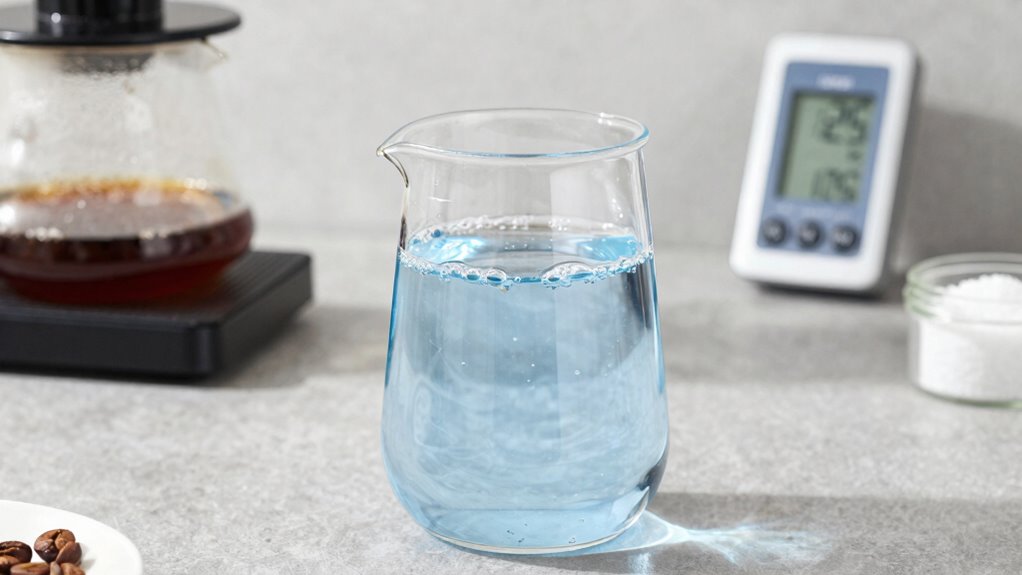

Using reverse osmosis water with remineralization is a popular setup among coffee enthusiasts because it gives you precise control over water quality. RO water starts pure but needs minerals like calcium and magnesium added back to optimize flavor extraction, pH, and aroma. This customization helps you achieve consistent, high-quality brews every time. If you want to understand how to set up this perfect system and get the best results, there’s more to discover.

Get coffee and tea gear delivered free with Prime
- Fast, free delivery on millions of items
- Prime Video, Amazon Music and more included
- Member-only deals all year
Key Takeaways
- Remineralization restores essential minerals to ultra-pure RO water, optimizing flavor extraction and aroma in coffee.
- It allows precise control of water chemistry, ensuring consistent taste profiles across brews.
- Proper pH adjustment through remineralization enhances extraction efficiency and prevents flat or sour flavors.
- Using RO with remineralization eliminates variability from tap or bottled water sources.
- This setup is favored by coffee enthusiasts for achieving high-quality, balanced espresso and pour-over brews.

If you’ve ever explored the world of specialty coffee, you’ve probably heard coffee nerds rave about water setup. It’s a vital yet often overlooked part of brewing that can make or break your cup’s flavor. One of the most talked-about methods today is reverse osmosis (RO) water combined with remineralization. This setup is favored because it offers precise control over water quality, especially pH balance and mineral content, which are essential for extracting the best flavors from your coffee.
RO water starts as ultra-pure, free of impurities and minerals, giving you a blank slate. While this might sound ideal, it’s not perfect on its own because pure water lacks the minerals that help extract flavor and enhance aroma. That’s where remineralization comes in. By adding back specific minerals like calcium, magnesium, and bicarbonates, you can tailor the water to ideal brewing standards. This process guarantees your water has the right mineral content to support a balanced extraction, highlighting the coffee’s nuanced notes without overpowering or dulling them.
Pure RO water lacks minerals needed for optimal flavor extraction and aroma enhancement in coffee.
Controlling the pH balance is also vital. Coffee brewing thrives in a slightly alkaline environment, usually around a pH of 7.2 to 7.4. Pure RO water tends to be nearly neutral or slightly acidic, which can lead to under-extraction, resulting in a flat or sour taste. Through remineralization, you can tweak the pH to stay within the ideal range, promoting better extraction of soluble compounds and bringing out the coffee’s full spectrum of flavors. Proper pH balance not only enhances taste but also influences brewing efficiency, ensuring that your coffee isn’t weak or overly bitter.
Many enthusiasts appreciate the consistency that RO with remineralization offers. Once you dial in the exact mineral levels and pH, you can replicate your perfect water profile every time, removing variability caused by tap water or bottled sources. This consistency is especially important if you’re serious about brewing quality espresso or pour-over coffee, where minute differences can drastically alter taste. Plus, it’s a sustainable choice, reducing reliance on unpredictable external water sources that may contain impurities or inconsistent mineral content.
reverse osmosis water filter for coffee
As an affiliate, we earn on qualifying purchases.
As an affiliate, we earn on qualifying purchases.
Frequently Asked Questions
How Often Should I Replace My Remineralization Filter?
You should replace your remineralization filter every 6 to 12 months, depending on your water usage and quality. Regularly check your water’s pH and mineral balance, as a decline indicates it’s time for a change. Using a fresh filter helps maintain ideal mineral levels, ensuring your water remains balanced for better taste and health benefits. Keep an eye on your filter’s lifespan for consistent, quality water.
Can I Use RO Water Without Remineralization for Espresso?
Using RO water without remineralization for espresso is like trying to paint with blank canvas—purity concerns may arise, affecting flavor and equipment longevity. While pure RO water might seem ideal, it can cause corrosion or damage to your espresso machine, as some components need minerals to function properly. Check your equipment’s compatibility and consider adding minerals back to avoid issues and guarantee the best taste.
What’s the Ideal pH Level for RO Water in Brewing?
The ideal pH level for RO water in brewing is around 7, ensuring neutral pH stability. You want to maintain a proper mineral balance to prevent overly acidic or basic water, which can affect flavor extraction. Too low or high pH disrupts the delicate balance essential for peak espresso, so consider adding minerals if necessary. Regularly testing pH helps keep your water’s mineral balance aligned for consistent, high-quality brews.
How Does Mineral Content Affect Coffee Flavor?
In the blink of an eye, mineral content shapes your coffee’s flavor. You’ll find that a balanced mineral profile, with the right mineral balance, enhances clarity, sweetness, and body. Too many minerals can introduce off-flavors, while too few may produce flat, dull coffee. Proper mineral levels optimize flavor extraction, allowing subtle nuances to shine. Think of minerals as flavor enhancers, helping your brew develop complexity and depth with every sip.
Is Remineralization Necessary for Cold Brew?
Remineralization isn’t strictly necessary for cold brew, but it can considerably improve mineral balance and enhance flavor. Using purified water with the right mineral content guarantees your coffee develops a richer, more balanced taste. Without proper minerals, cold brew might taste flat or off. If your water is very pure, consider adding minerals to achieve ideal water quality, which boosts extraction and highlights the coffee’s best flavors.
Conclusion
Now, imagine your perfect brew—rich, balanced, and bursting with flavor. That’s what the right water setup can do for you. Have you ever tasted that extra layer of complexity just by tweaking your mineral levels? It’s like revealing a secret ingredient in your coffee. So, why settle for good when you can brew extraordinary? With a little knowledge and the right setup, you’re just one step away from coffee perfection. Ready to make that leap?
Fall Picks
fall essentials
As an affiliate, we earn on qualifying purchases.