If you’re exploring low-pressure espresso profiles for light roasts, you’ll notice it highlights delicate, nuanced flavors like fruity, floral, and bright acidity that often get lost with high-pressure brewing. Using gentler extraction, you can enjoy a smoother, more vibrant cup that showcases the coffee’s origin notes and intricate characteristics. To discover even more delicate flavors and perfect your technique, keep exploring what low-pressure brewing has to offer.
Key Takeaways
- Low-pressure espresso enhances delicate, light roasts by gently extracting nuanced flavors and aromatic compounds.
- It produces a balanced, bright cup with floral, fruity, and vibrant acidity characteristics.
- Using specialized equipment, low-pressure brewing emphasizes origin nuances over intense bitterness.
- This method offers a smoother, more expressive profile tailored for fragile, light roasted beans.
- Experimentation with pressure and flow control is key to optimizing flavor extraction for light roasts.
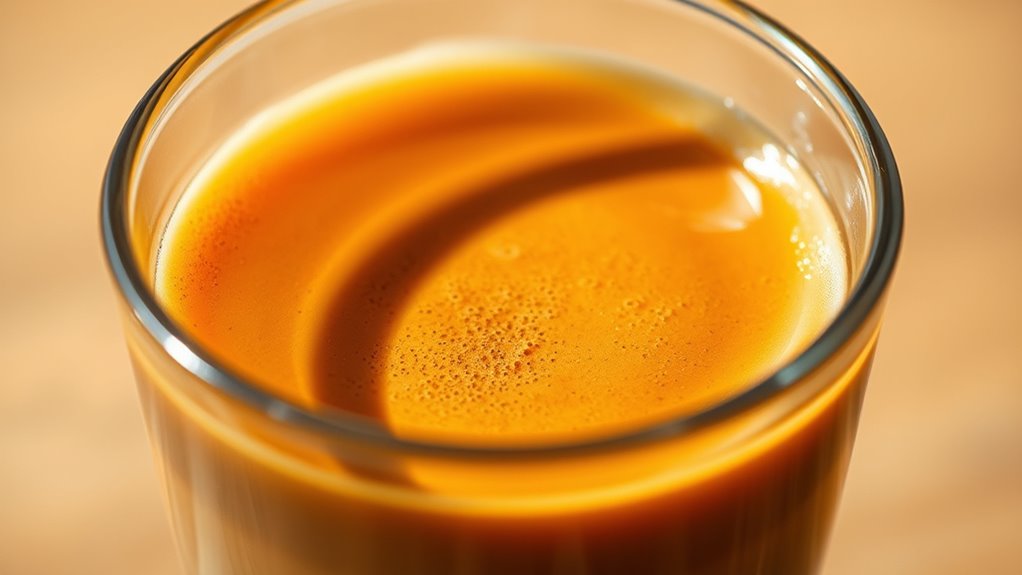
Have you ever wondered if there’s a way to enjoy rich espresso without the usual high-pressure brewing? Well, low-pressure espresso offers a compelling alternative that shifts the traditional approach. Instead of relying on the typical 9-bar pressure used in standard espresso machines, low-pressure methods use gentler extraction techniques, which can be especially beneficial when working with light roasts. Light roasts tend to be more delicate, containing more nuanced flavors that can easily be lost with aggressive brewing. By adjusting the brew method to low pressure, you allow the coffee’s intricate notes to shine through, providing a more refined tasting experience.
Using a different brew method, such as a low-pressure espresso machine or a specialized device designed for gentle extraction, you can control the flow of water more precisely. This gentler approach prevents over-extraction, which can lead to bitterness and mask the coffee’s subtle flavors. Instead, it emphasizes the coffee’s aromatic qualities and bright, vibrant notes often found in light roasts. This means you get a cleaner, more expressive cup that highlights the coffee’s origin and unique characteristics. When you alter the brew method to accommodate low pressure, you’re fundamentally giving the coffee a chance to reveal its full potential without being overwhelmed by the intensity of high-pressure extraction.
Control water flow precisely with low-pressure brewing for a cleaner, more vibrant espresso.
Flavor extraction is the key to understanding why low-pressure brewing works so well with light roasts. At lower pressures, water interacts more gently with the coffee grounds, allowing delicate compounds to dissolve gradually. This slow extraction process results in a cup that’s balanced and nuanced, rather than harsh or overly intense. It’s like giving the coffee enough time to breathe and express itself fully. As a result, the flavors are more vibrant, and you notice subtle fruitiness, floral notes, or bright acidity that can sometimes get lost in traditional espresso. Additionally, controlling extraction variables can enhance the overall flavor profile and ensure a more consistent cup. By mastering this method, you gain greater control over the final profile and can tailor each shot to emphasize specific flavor characteristics.
In reality, switching to a low-pressure brew method for your espresso routine isn’t just about reducing pressure; it’s about revealing a different spectrum of flavors. If you’re a coffee lover excited to explore the lighter, more delicate side of espresso, this approach offers an exciting avenue. It requires a bit of experimentation and patience, but the payoff is a smoother, more expressive cup that showcases the true beauty of light roasted beans. So, next time you want to savor the intricate nuances of your favorite light roast, consider trying a low-pressure brew method—you might just find your new favorite way to enjoy espresso.
Frequently Asked Questions
Can Low-Pressure Brewing Extract More Delicate Flavors?
Yes, low-pressure brewing can extract more delicate flavors by carefully controlling pressure dynamics. By using gentler pressure, you preserve subtle aromatics and nuanced notes that high-pressure methods might overpower. This approach allows the water to interact more gently with the light roast, enhancing flavor preservation. As a result, you get a more refined, complex cup that highlights the unique characteristics of delicate beans without overwhelming them with extraction harshness.
Is Low-Pressure Espresso Suitable for All Light Roasts?
Ever wondered if low-pressure espresso suits all light roasts? It can, but you need to tweak your brewing temperature to highlight delicate coffee acidity. Low-pressure extraction often emphasizes bright, nuanced flavors, making it ideal for certain light roasts. However, some beans might benefit from adjustments in grind size or temperature to optimize flavor extraction. Experimentation helps you discover the best profile for each roast’s unique character.
How Does Grind Size Differ for Low-Pressure Espresso?
You should adjust your grind size to be slightly coarser for low-pressure espresso, ensuring better extraction with light roasts. Focus on maintaining grind consistency to prevent uneven extraction, which can lead to sour or weak flavors. You might also need to tweak your dose adjustment if the shot pulls too quickly or slowly. These adjustments help optimize flavor and crema, making your low-pressure espresso experience more balanced and enjoyable.
Does Low Pressure Reduce Bitterness in Light Roasts?
Yes, low pressure can reduce bitterness in light roasts by allowing better control over extraction. When you adjust pressure control, you slow down the extraction process, which helps preserve delicate flavors and minimizes over-extraction that causes bitterness. This approach promotes a more balanced flavor profile, highlighting the bright, nuanced notes of light roasts while avoiding harsh or astringent tastes.
What Equipment Is Best for Low-Pressure Espresso Brewing?
Are you wondering what equipment works best for low-pressure espresso brewing? You’ll want a machine with excellent pressure stability and precise control over brew temperature. A lever espresso machine or a manual espresso maker offers these features, allowing you to fine-tune pressure and temperature to highlight light roast flavors. These tools help you avoid bitterness, ensuring a balanced, bright shot every time. Isn’t that what perfect espresso’s all about?
Conclusion
By exploring low-pressure espresso, you discover a new way to enhance your light roasts. You embrace gentler extraction, savor brighter flavors, and enjoy a smoother body. You experiment with settings, refine your technique, and enjoy the process. You access a world of nuanced aromas, delicate acidity, and vibrant profiles. In embracing low-pressure espresso, you create a more personalized and pleasurable coffee experience every time. You turn brewing into an art and each cup into a celebration.