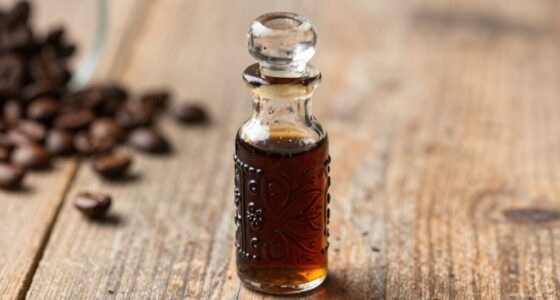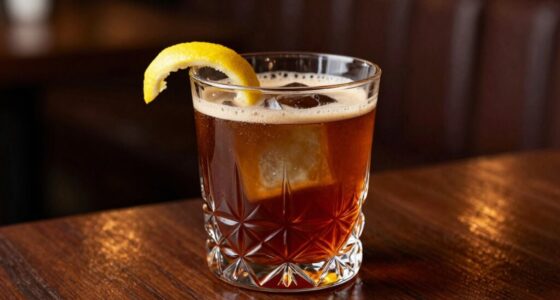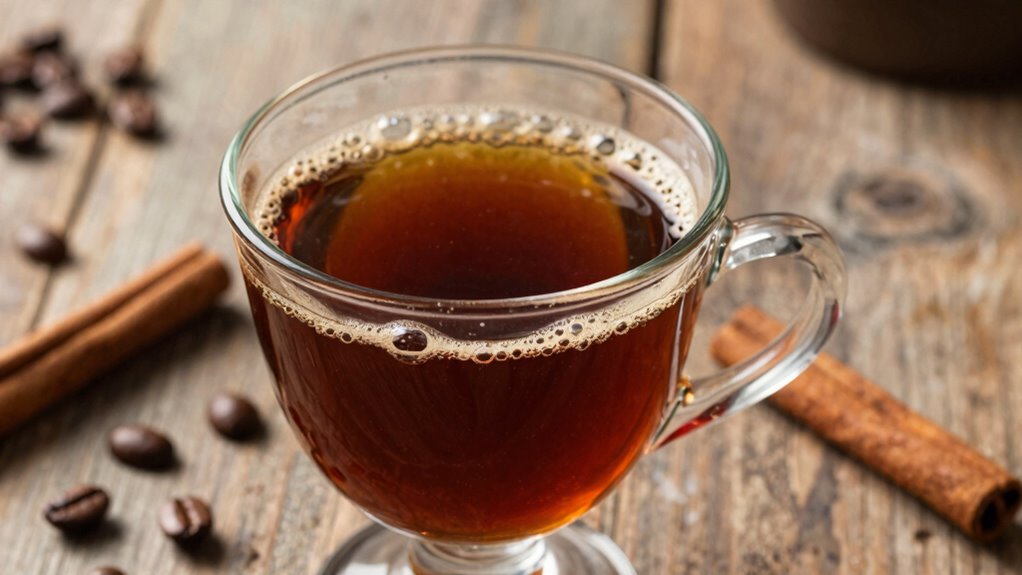

Carajillo’s history stretches back to 19th-century Spain, where it merged coffee with spirits like brandy, rum, or whisky for energy and warmth. Its name, derived from the Spanish word “carajo,” reflects a rebellious spirit, often enjoyed during celebrations and social gatherings. Regional customs influence its ingredients and preparation, making each variation unique. If you stay tuned, you’ll discover more fascinating stories behind this bold, tradition-rich cocktail and its cultural significance.

Get coffee and tea gear delivered free with Prime
- Fast, free delivery on millions of items
- Prime Video, Amazon Music and more included
- Member-only deals all year
Key Takeaways
- Originated in 19th-century Spain, blending coffee with spirits for energy and warmth among workers and sailors.
- Named after “carajo,” reflecting rebellious spirit and cultural significance in social gatherings.
- Variations include adding lemon peel, cinnamon, or different spirits, showcasing regional customs and ingredients.
- Traditionally prepared with brandy, now often with whisky or rum, emphasizing flexibility and local tastes.
- Remains a symbol of Spanish tradition, social bonding, and regional pride today.
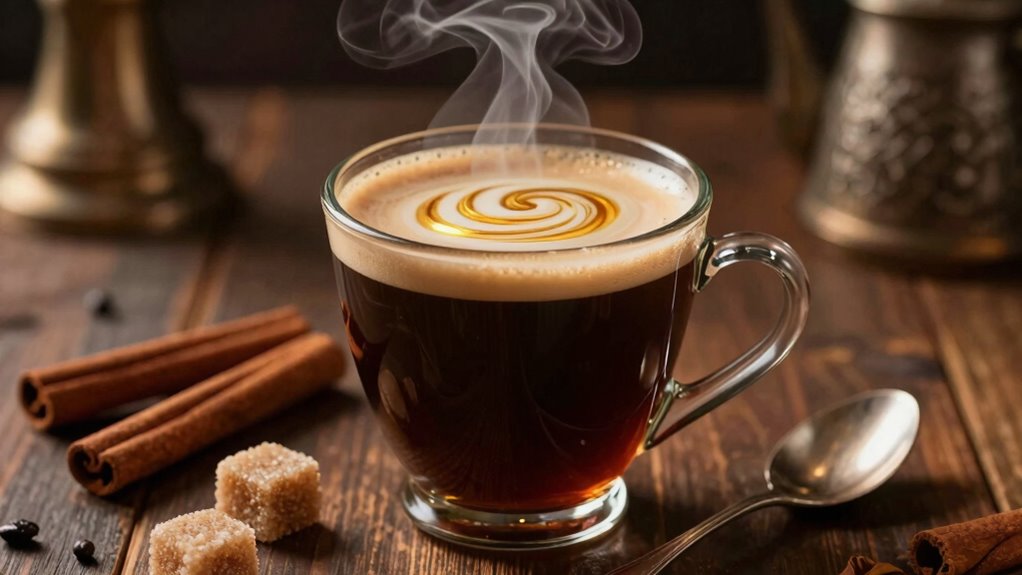
Have you ever wondered how the popular Spanish coffee drink, the carajillo, came to be? This intriguing beverage has a history as rich and layered as its flavor, blending tradition, legend, and a bit of daring. The story begins with the coffee origin, which traces back to the 19th century when coffee was making its way into Spain through trade routes from the colonies. Coffee quickly became a staple in Spanish society, especially among workers and soldiers, who found comfort in its stimulating effects. Over time, locals began combining coffee with other ingredients, creating a drink that was both energizing and flavorful. This experimentation gave birth to the carajillo, a symbol of Spanish tradition that’s still enjoyed today.
The origins of the carajillo are deeply rooted in Spain’s history, where it’s often tied to moments of celebration or camaraderie. The name itself, derived from the Spanish word “carajo,” historically used as a vulgar term for a ship’s anchor or a curse, hints at the drink’s rebellious spirit. Originally, soldiers and workers would mix coffee with brandy or other spirits to keep warm and alert during long hours. It’s said that the drink gained popularity among sailors and miners, who appreciated the boost of energy it provided. In many regions, especially in Catalonia and Andalusia, the carajillo became more than just a functional beverage—it evolved into a cultural tradition, served during festivals, gatherings, and even after meals. Additionally, its preparation and consumption often involve local customs and regional variations, emphasizing its cultural significance. The regional customs surrounding the drink highlight its role as a cultural emblem that varies from place to place. The regional ingredients used in different areas further showcase the diversity of this traditional beverage. The social significance of the carajillo continues to be celebrated through various regional customs and social practices. Moreover, the drink’s regional variations often reflect the unique history and tastes of each area, making it a versatile and cherished tradition.
What makes the carajillo particularly fascinating is how it reflects Spain’s diverse regional influences. Some versions include sugar, lemon peel, or cinnamon, showcasing local tastes and ingredients. The act of preparing and drinking the carajillo is often as important as the drink itself, embodying a sense of ritual and social connection. Over the years, the recipe has adapted, with some adding liqueurs like whisky or rum instead of brandy, depending on regional customs or personal preference. Despite these variations, the core idea remains the same: a shot of strong coffee combined with a spirited kick, embodying Spain’s love for bold flavors and lively tradition. The cultural significance of the carajillo continues to be celebrated through various regional customs and social practices.
coffee liqueur brandy rum whisky set
As an affiliate, we earn on qualifying purchases.
As an affiliate, we earn on qualifying purchases.
Frequently Asked Questions
What Are the Variations of Carajillo Around the World?
You’ll find many variations of carajillo around the world, each offering unique coffee pairings and cocktail presentation styles. In Spain, it’s often served with brandy, while in Italy, you might see it with grappa. Mexico prefers rum, and some places add whipped cream or flavored liqueurs. These differences make each carajillo special, offering diverse flavors and visual appeal, perfect for customized cocktail presentation suited to your taste.
How Did Carajillo Become Popular in Spanish Culture?
You see, carajillo became popular in Spanish culture through its role in coffee rituals and cultural influences. It’s a drink that blends social traditions with a touch of history, often enjoyed after meals or during gatherings. The use of local spirits and the appreciation for coffee’s significance helped embed carajillo into daily life. Its unique combination of flavors reflects Spain’s rich cultural heritage and love for shared moments.
What Are Traditional Ingredients Used in Authentic Carajillo Recipes?
In authentic carajillo recipes, you typically use strong black coffee paired with a splash of liquor like brandy, whisky, or anisette. You might also find variations with liqueurs such as Licor 43 or rum, depending on taste preferences. If you want ingredient substitutions, you can swap the liquor for a flavored syrup or a different spirit. Remember, the key is balancing the coffee’s richness with the liquor’s warmth.
Are There Any Health Benefits or Risks Associated With Carajillo?
You should know that drinking a carajillo can give you caffeine effects like increased alertness and energy. However, mixing caffeine with alcohol poses risks, such as impaired judgment and dehydration. While moderate consumption might boost your mood, overdoing it could lead to health issues like heart strain or dependency. Always enjoy responsibly, understanding both the benefits and risks of caffeine effects and alcohol risks associated with this flavorful coffee cocktail.
How Has Carajillo Been Featured in Literature or Media?
Imagine yourself in a smoky jazz club, sipping a carajillo as it’s mentioned in a vintage novel. This cocktail’s rich history makes it a popular coffee pairing in literary references and media. You’ll find it in films, stories, and even modern cafes, symbolizing Spanish culture and tradition. Its presence adds a layer of sophistication, connecting past and present, making your experience with it truly cinematic.
Conclusion
As you savor a carajillo, you’re tasting more than just coffee and liqueur—you’re sipping history, layered with stories that twist and turn like a well-worn camino. Every sip connects you to those who crafted this drink centuries ago, their traditions blending into yours. Just as a river carves its path through the landscape, the carajillo carves itself into the heart of Spanish and Latin American culture, leaving a rich, enduring imprint on your palate and memory.
Evergreen bestsellers Picks
bestsellers
As an affiliate, we earn on qualifying purchases.