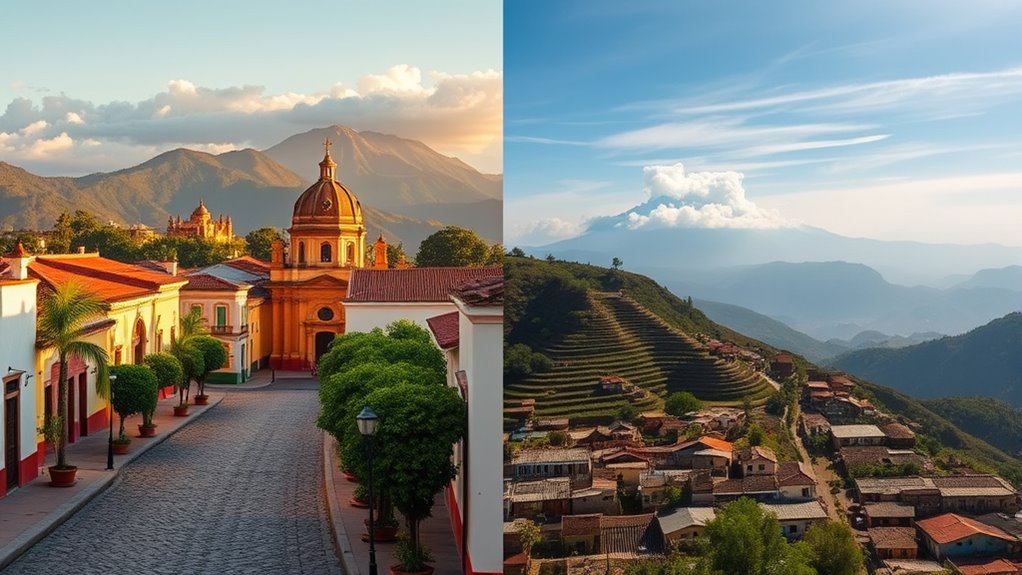

If you’re choosing between Antigua and Huehuetenango, you’ll find Antigua offers lively festivals, charming colonial architecture, and a well-developed tourism scene that’s perfect for experiencing Guatemala’s history and vibrant culture. Huehuetenango, on the other hand, immerses you in authentic indigenous traditions, rustic landscapes, and indigenous rituals, providing a more rural and traditional vibe. Both have unique charms, and exploring each reveals different sides of Guatemalan culture—discover more to see which suits your travel style best.

Get coffee and tea gear delivered free with Prime
- Fast, free delivery on millions of items
- Prime Video, Amazon Music and more included
- Member-only deals all year
Key Takeaways
- Antigua features vibrant festivals, colonial architecture, and a well-developed tourist infrastructure, offering a lively, historic atmosphere.
- Huehuetenango emphasizes indigenous traditions, rural life, and authentic cultural ceremonies with a rustic, immersive experience.
- Antigua’s cuisine blends Mayan and Spanish influences, while Huehuetenango highlights traditional dishes like kak’ik and local markets.
- Antigua is more polished and accessible for international visitors, whereas Huehuetenango provides a more authentic, local interaction.
- Both showcase Guatemala’s rich culture, but Antigua is more tourist-friendly and festive, while Huehuetenango focuses on indigenous heritage.
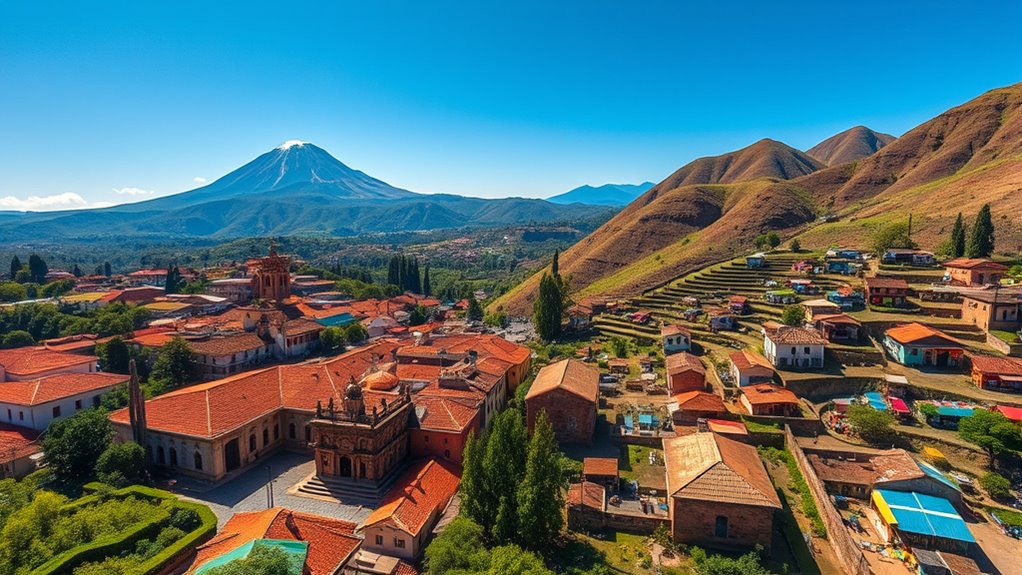
Are you torn between exploring Antigua and Huehuetenango in Guatemala? Both destinations offer unique experiences, but knowing what each has to offer helps you decide where to focus your adventure. Antigua, with its charming colonial architecture, is renowned for its vibrant cultural festivals. Throughout the year, the city bursts into life during celebrations like Holy Week, where colorful processions wind through cobblestone streets, and during the Antigua Guatemala Guatemala International Film Festival, drawing artists and visitors from around the world. These festivals give you a glimpse into the rich traditions and lively spirit of Antigua’s community. On the culinary front, Antigua’s local cuisine is a delightful blend of Mayan and Spanish influences. You can savor dishes like pepian, a hearty meat stew with a spicy, tomato-based sauce, or enjoy fresh tropical fruits and traditional tamales. Many local markets and cozy cafes serve authentic Guatemalan coffee, renowned worldwide for its quality. As you wander through Antigua, you’ll find numerous eateries offering traditional recipes, giving you a true taste of the region’s culinary heritage. Additionally, Antigua’s tourist infrastructure caters well to visitors, making it easy to explore comfortably.
In contrast, Huehuetenango invites you into a more rugged, authentic Guatemalan experience. Nestled in the highlands, this area is known for its indigenous cultures and vibrant markets. Here, cultural festivals are deeply rooted in tradition, often involving indigenous dance, music, and ceremonial rituals that have been passed down through generations. If you’re lucky enough to visit during a local festival, you’ll witness a vivid display of textiles, masks, and costumes that reflect the region’s rich heritage. Huehuetenango’s local cuisine emphasizes hearty, rustic flavors. You’ll find traditional dishes like kak’ik, a spicy turkey soup flavored with herbs and vegetables, and tamales wrapped in banana leaves. The markets are bustling with vendors selling fresh produce, handmade textiles, and local delicacies, giving you a chance to connect directly with the community. The food here is often simpler, but no less flavorful, emphasizing local ingredients and traditional preparation methods.
While Antigua offers a more polished, culturally festive atmosphere with a strong focus on international events and colonial history, Huehuetenango provides an immersive experience into indigenous culture and authentic rural life. Both places celebrate their heritage through festivals and cuisine, but they do so in very different ways. Your choice depends on whether you want the lively, colorful ambiance of Antigua or the authentic, tradition-rich environment of Huehuetenango. Either way, exploring these destinations will give you a deep appreciation for Guatemala’s diverse cultural tapestry.
As an affiliate, we earn on qualifying purchases.
Frequently Asked Questions
What Are the Main Differences in Climate Between Antigua and Huehuetenango?
You’ll notice that Antigua has a mild, spring-like climate year-round, thanks to its lower altitude and consistent seasonal weather patterns. In contrast, Huehuetenango’s higher altitude means cooler temperatures and more significant temperature swings. Its seasonal weather patterns feature dry winters and wetter summers. So, while Antigua stays relatively stable, Huehuetenango offers more variation, making each destination unique for different climates and experiences.
Which Region Is Better for Coffee Tourism—Antigua or Huehuetenango?
You’ll find Huehuetenango better for coffee tourism, especially if you love immersive experiences like coffee farm tours and exploring local cultural festivals. The region’s high-altitude farms produce unique, flavorful beans, and the vibrant festivals give you an in-depth exploration into local traditions. Antigua’s charm is more historical, but Huehuetenango offers a richer, more authentic coffee journey. If coffee-centric adventures excite you, Huehuetenango’s your best pick.
How Do Local Cuisines Vary Between Antigua and Huehuetenango?
Like a vibrant tapestry, Antigua’s cuisine bursts with European influences, featuring hearty stews and bread using local ingredients like corn and beans, prepared with traditional methods. In contrast, Huehuetenango’s dishes reflect indigenous roots, with spicy moles and tamales, often incorporating mountain herbs and unique local ingredients. Both regions showcase distinct flavors, but Antigua’s cuisine feels more colonial, while Huehuetenango emphasizes indigenous richness through traditional cooking techniques.
Are There Any UNESCO World Heritage Sites in Both Regions?
Yes, both regions have UNESCO World Heritage sites. In Antigua, you’ll find the well-preserved colonial city with its stunning cultural landmarks, reflecting rich local traditions. Huehuetenango is known for its ancient Mayan sites and vibrant indigenous culture. Exploring these areas lets you immerse yourself in their unique history, architecture, and traditions, offering a deep connection to Guatemala’s diverse cultural heritage.
What Are the Best Times of Year to Visit Each Location?
The best times to visit each location align with their seasonal weather and festivals. In Antigua, visit during the dry season from November to April for clear skies and vibrant festivals like Holy Week. In Huehuetenango, plan between November and April when the weather is pleasant, and experience local celebrations such as the Feria de Huehuetenango. Traveling during these peak seasons guarantees ideal weather and cultural immersion.
Conclusion
As you explore Antigua and Huehuetenango, you’ll find each city offers a unique charm like two sides of the same coin. Antigua’s colonial beauty is as timeless as a classic painting, while Huehuetenango’s vibrant culture pulses like a lively drumbeat. Both destinations invite you to experience Guatemala’s rich traditions and stunning landscapes. Whichever you choose, you’ll leave with memories as vivid and unforgettable as a sunrise over these breathtaking towns.
Fall Picks
fall essentials
As an affiliate, we earn on qualifying purchases.