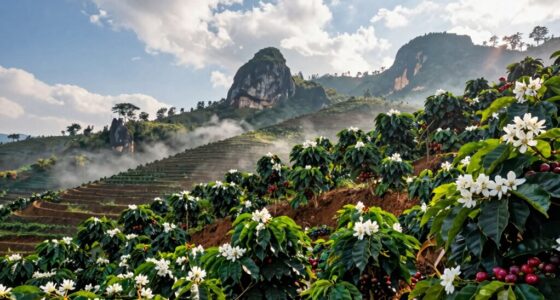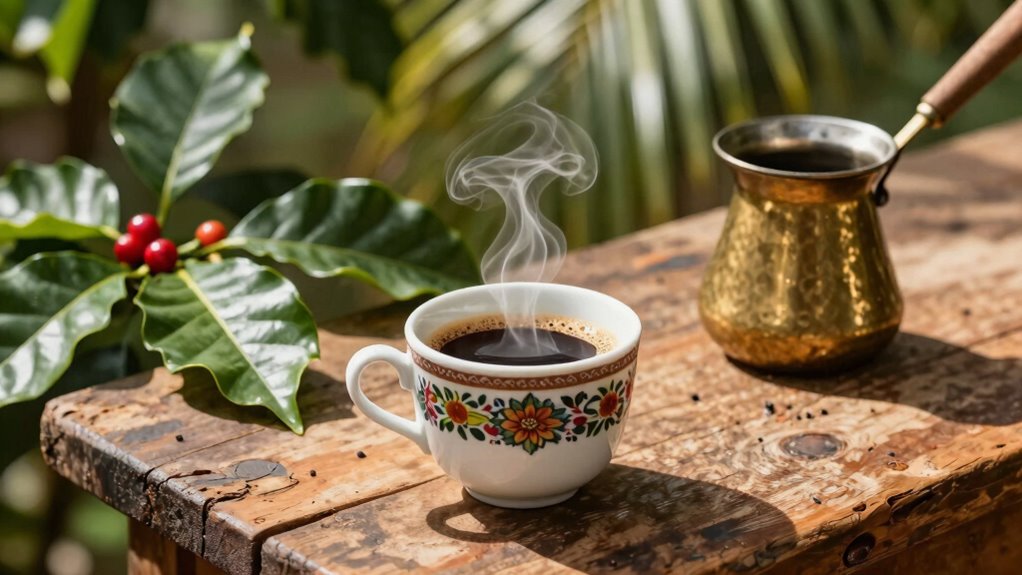

Explore Cuba’s coffee regions like Pinar del Río and Viñales, where lush landscapes and unique microclimates create distinct flavors. The island’s coffee traditions go beyond just brewing, reflecting centuries of culture, craftsmanship, and sustainable practices. You’ll find that each cup tells a story rooted in history, terroir, and community rituals like the iconic “cafecito.” If you want to uncover more about Cuba’s rich coffee legacy, keep discovering what makes it truly special.

Get coffee and tea gear delivered free with Prime
- Fast, free delivery on millions of items
- Prime Video, Amazon Music and more included
- Member-only deals all year
Key Takeaways
- Pinar del Río and Viñales are prominent regions known for their unique terroir and high-quality Cuban coffee.
- Traditional brewing methods like the stovetop moka (“cafetera”) and “espumita” are central to Cuban coffee rituals.
- Coffee cultivation reflects Cuba’s colonial history, agricultural innovation, and emphasis on sustainability and biodiversity.
- Coffee embodies cultural values of community, resilience, and shared experience across Cuban social life.
- The flavor profiles are shaped by regional microclimates, soil, and traditional farming practices, emphasizing the coffee’s cultural significance.
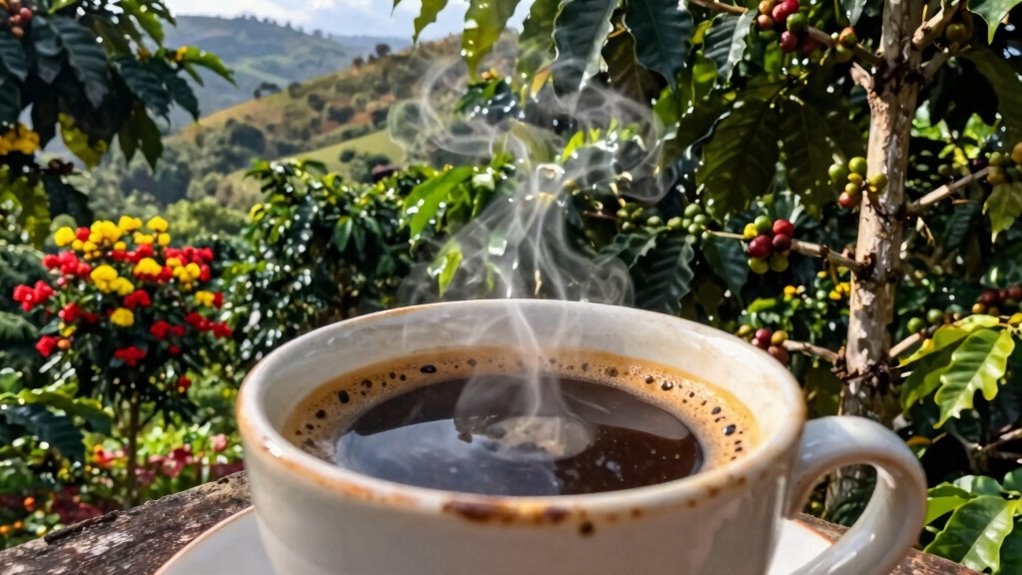
Cuban coffee isn’t just about the tiny espresso shots you might be familiar with; it’s a rich tradition deeply rooted in the island’s history and culture. The story of Cuban coffee begins long before it became a daily ritual for locals. You’ll find that the coffee plantation history on the island reveals a legacy of colonial influence and agricultural innovation. As you explore the lush landscapes of regions like Pinar del Río and Viñales, you’ll notice how the terrain and soil have shaped the distinctive flavors of Cuban beans. These areas boast a long-standing tradition of cultivating high-quality coffee, where generations have perfected the art of growing and harvesting beans suited to Cuba’s tropical climate. The history is intertwined with the island’s economic development, with many plantations dating back to the 19th century, when coffee became a vital export. Walking through these plantations, you can almost taste the history in the air, sensing the labor, passion, and expertise poured into each crop. Additionally, the unique microclimates of these regions contribute to the distinctive flavors found in Cuban coffee, making each sip a reflection of its terroir. Exploring these regions offers insight into how agricultural practices have evolved over time to maintain quality and tradition. Recognizing the importance of sustainable practices in these areas can help preserve their unique biodiversity for future generations. Moreover, understanding the climate and soil conditions is essential to appreciating how Cuban coffee develops its characteristic qualities. This understanding underscores the importance of terroir in shaping the final flavor profile of the coffee.
When you consider traditional brewing methods, you’ll realize that the way Cubans prepare their coffee is as significant as the beans themselves. The classic Cuban espresso, or “cafecito,” is crafted using a stovetop moka pot called a “cafetera.” This method extracts a rich, intense brew, capturing the essence of Cuban coffee in a small, powerful shot. Unlike drip brewing or other methods, the cafetera emphasizes a quick, full-bodied extraction that’s perfect for social gatherings or a quick energizer. Making coffee this way isn’t just about convenience; it’s a cultural ritual. You might find that the preparation process is almost meditative, with each step steeped in tradition. The addition of sugar during brewing, resulting in the sweet, thick “espumita” on top, highlights the importance of flavor balance and community. For Cubans, coffee isn’t just a drink—it’s a shared experience, a moment of connection that reflects the warmth and resilience of their culture.
In essence, exploring Cuban coffee means immersing yourself in its deep-rooted history and traditional brewing methods. It’s a journey through time, from the historic plantations to the vibrant kitchens where each cup is crafted with care. Whether you’re savoring the bold flavors or learning about the cultural significance, you’ll appreciate how much more there is beyond the tiny cup—an entire legacy of passion, craftsmanship, and history.
As an affiliate, we earn on qualifying purchases.
Frequently Asked Questions
How Has Cuban Coffee Influenced Local Culture Outside Cuba?
Cuban coffee history has considerably shaped local culture outside Cuba, especially among Cuban communities abroad. You’ll find that coffee’s cultural significance extends into social gatherings, where sharing a strong cafecito fosters connection and tradition. As you explore Cuban-inspired cafes worldwide, you’ll notice how this rich history influences their atmosphere, making coffee more than a beverage—it’s a symbol of identity, resilience, and warm community bonds that transcend borders.
What Are Some Unique Coffee Brewing Methods Used in Cuba?
Imagine the aroma that transports you—Cuba’s unique brewing methods make this real. You’ll find that Coffee fermentation plays a key role, enhancing flavor complexity, while traditional Bean roasting over open flames adds a smoky richness. Cuban techniques often include using a metal sock-like filter called a “cafetera,” which brews strong, thick espresso-like coffee. These methods create a vibrant, authentic experience that captures Cuba’s rich coffee heritage.
Are There Specific Customs Associated With Coffee Consumption in Cuba?
In Cuba, you’re expected to follow specific coffee etiquette during social rituals. When offered coffee, accept it graciously, and always reciprocate with a shared cup or a kind gesture. It’s customary to drink slowly and enjoy the moment, emphasizing camaraderie. During gatherings, sharing a small cup of strong, sweet coffee strengthens bonds. Respecting these customs shows appreciation for Cuban hospitality and the cultural significance of coffee in everyday life.
How Do Cuban Coffee Traditions Vary Across Different Regions?
Think of Cuban coffee traditions as a vibrant tapestry, each region adding its unique thread. In Havana, you might experience quick, social coffee rituals like café con leche during conversations, while in the countryside, regional brewing often emphasizes slow, ceremonial coffee moments. These variations reflect local customs, climate, and history, creating a diverse coffee culture across Cuba. Your experience will differ depending on where you are, but the passion for coffee remains universal.
What Are the Challenges of Exporting Cuban Coffee Globally?
You’ll face export hurdles like strict trade regulations and political restrictions when trying to bring Cuban coffee to global markets. These hurdles can slow down shipments, increase costs, and limit access to certain countries. Steering through complex licensing processes and embargo policies requires patience and strategic planning. Despite Cuba’s rich coffee tradition, these trade barriers challenge your ability to expand its reach worldwide, making the export process more complicated than you’d hope.
Conclusion
As you journey through Cuba’s coffee regions, you’ll find each cup telling a story richer than the last. Beyond that tiny, powerful sip, lies a tapestry of traditions, landscapes, and warm smiles that brew a spirit of community and passion. So, take a moment to savor every drop—because Cuban coffee isn’t just a drink; it’s a vibrant dance of culture and heart, inviting you to become part of its flavorful rhythm.
Halloween Picks
halloween
As an affiliate, we earn on qualifying purchases.