
Percolator coffee has a rich history rooted in tradition, dating back to the early 20th century when it became popular for its bold, full-bodied flavor. Today, modern versions—both electric and stovetop—allow you to enjoy that nostalgic brewing experience with a contemporary touch. This method emphasizes craftsmanship, patience, and simplicity, giving you a robust cup that celebrates heritage. If you want to learn how this classic technique has evolved and how to perfect your brew, you’ll find more details ahead.
Key Takeaways
- Percolator coffee originated in the 19th century, offering a traditional brewing method that emphasizes craftsmanship and rich flavor.
- Vintage percolators feature durable metal bodies, glass domes, and manual operation, creating nostalgic appeal.
- The brewing process involves water cycling through coffee grounds, producing a full-bodied, robust flavor with distinctive bubbling sounds.
- Modern adaptations include electric and stovetop models, blending traditional methods with contemporary convenience.
- The resurgence of vintage-style percolators reflects a growing appreciation for heritage, craftsmanship, and flavorful, aromatic coffee.
Ever wondered how to brew a rich, flavorful cup of coffee with a nostalgic touch? If so, then exploring the art of percolator coffee might just be your next favorite ritual. Coffee brewing with a percolator brings a sense of tradition and warmth that’s hard to find elsewhere. These vintage appliances, once a kitchen staple, are making a comeback among coffee enthusiasts who appreciate the craftsmanship and simplicity of old-fashioned methods. Using a percolator isn’t just about making coffee; it’s about recreating a moment in time when brewing was an art form rooted in patience and precision.
Discover the nostalgic art of percolator coffee—brewing patience, tradition, and rich flavor in every cup.
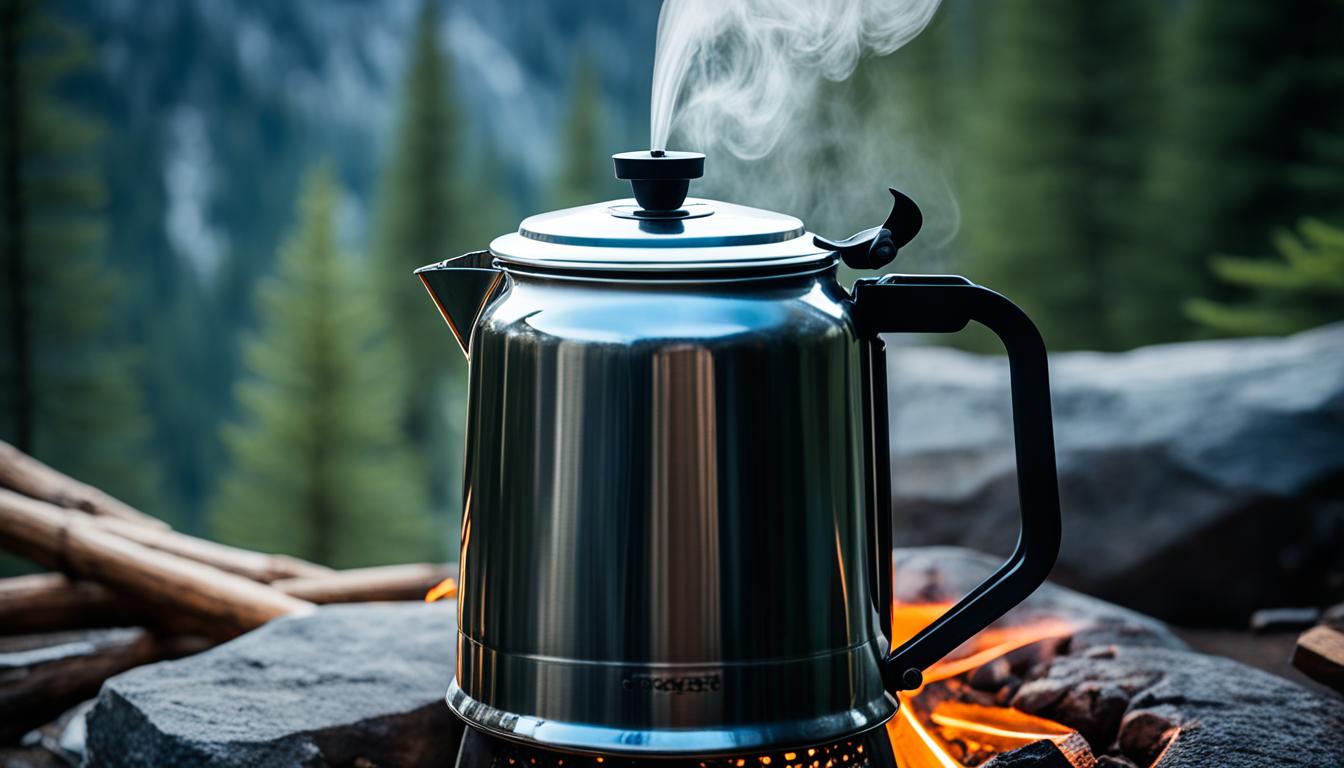
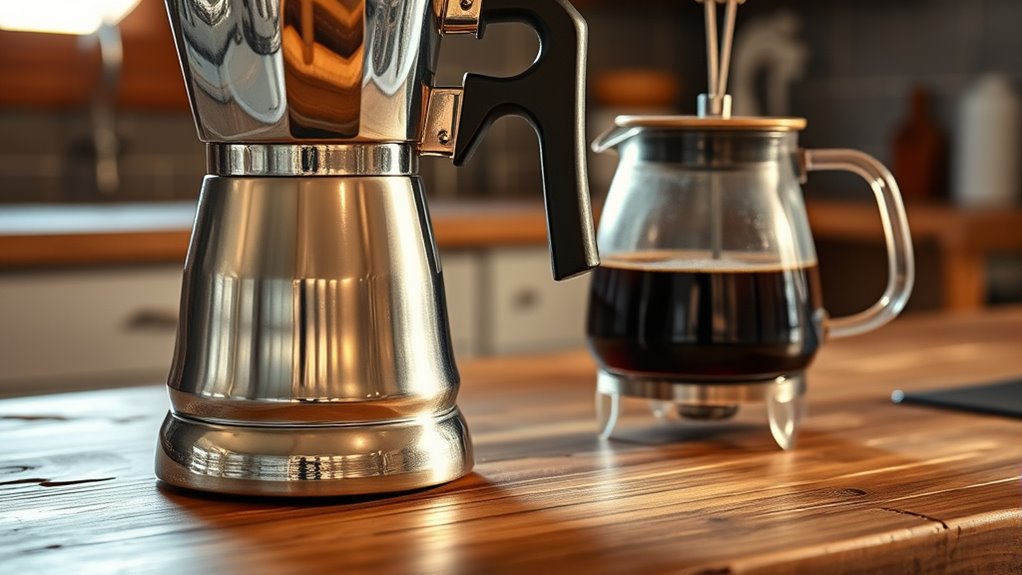
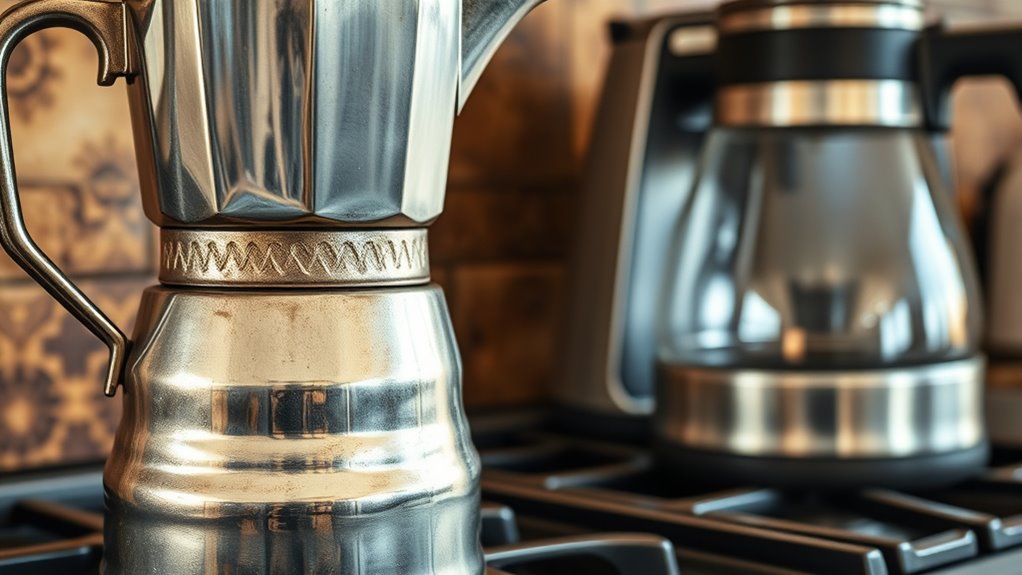
To start, you’ll need a vintage percolator, which often features a sturdy metal body, a glass dome, and a simple mechanism for cycling water through coffee grounds. The process is straightforward but requires attention to detail. First, fill the bottom chamber with cold water, making sure not to overfill beyond the safety valve. Then, insert a metal basket filled with your preferred coffee grounds—medium to coarse grind works best to prevent over-extraction. Once assembled, place the percolator on your stove or heat source, turn it on, and wait. As the water heats, it begins to rise through a central tube and percolate over the coffee grounds, extracting rich flavors with each cycle. You’ll hear a gentle bubbling or perking sound, signaling that the brewing process is underway.
The beauty of using vintage appliances for coffee brewing is that they deliver a robust, full-bodied flavor profile that modern drip brewers often struggle to match. Percolators produce a stronger, more intense cup, which many consider to be the hallmark of traditional brewing. However, mastering the timing is essential; brewing too long can lead to bitter, over-extracted coffee, while too short may produce a weak brew. Once you’ve reached your desired strength, remove the percolator from heat and let it sit briefly to settle. Pour yourself a cup, and enjoy the rich aroma and bold taste that only a percolator can deliver.
Today, many coffee lovers are revisiting vintage appliances for their unique brewing qualities and nostalgic appeal. Modern methods, like electric percolators or even manual stovetop models, offer convenience but still honor the old-school essence of coffee brewing. Whether you’re a seasoned enthusiast or a curious beginner, incorporating a percolator into your routine connects you to a bygone era of craftsmanship and simplicity. It’s more than just making coffee; it’s about celebrating tradition while savoring each flavorful sip.
Frequently Asked Questions
How Does Percolator Coffee Compare to Drip Coffee in Taste?
You’ll find that percolator coffee often has a bolder, more intense flavor compared to drip coffee. The continuous brewing process extracts more oils and compounds, leading to higher flavor intensity. However, this can sometimes result in less brewing consistency, causing variations in taste from cup to cup. Drip coffee offers a smoother, more uniform flavor, making it ideal if you prefer a balanced and consistent cup.
What Are Common Mistakes to Avoid When Using a Percolator?
Think of your percolator as a delicate dance partner—you need to lead carefully. Avoid common mistakes like inconsistent grind size, which can cause bitter or weak coffee, and poor heat management that burns the brew. Keep your grind consistent and monitor the heat to prevent over-extraction. If you rush or ignore these details, your coffee may turn out flat or scorched. Pay attention, and enjoy a rich, balanced cup every time.
Can Percolator Coffee Be Brewed With Flavored Additives?
Yes, you can brew percolator coffee with flavored additives, but you need to take into account flavor infusion and additive compatibility. Use natural extracts or flavoring oils sparingly to avoid clogging the percolator or affecting its performance. Avoid overly oily or heavy additives that might damage the equipment. Experiment carefully, adding flavors early in the brewing process for a richer taste, and always ensure your additives are compatible with the percolator method.
How Long Does a Typical Percolator Brewing Cycle Take?
You wonder how long a typical percolator brewing cycle takes? It usually lasts about 5 to 10 minutes, but that depends on your desired strength. The brewing duration is critical—too short, and your coffee’s weak; too long, and it can become bitter. Keep an eye on the cycle timing, and you’ll enjoy rich, flavorful coffee every time. Are you ready to perfect your brew?
Is Percolator Coffee Suitable for Single-Origin Beans?
Yes, percolator coffee is suitable for single-origin beans. It’s compatible because you can control the brewing process, which helps maintain the beans’ unique flavors. However, be mindful that percolators can sometimes over-extract, so adjust your brewing time to avoid bitterness. Using high-quality, fresh single-origin beans ensures you get the best flavor preservation, allowing you to enjoy the distinctive notes that make these beans special.
Conclusion
So, next time you brew with a percolator, remember its charming history and timeless appeal. Though it’s a classic that’s seen many changes, it still offers a warm, inviting experience. Embrace the gentle ritual and let that rich aroma remind you of simpler mornings. Sometimes, a touch of nostalgia is just what your day needs, quietly making every sip a small, delightful escape. Enjoy every moment with your cherished percolator.