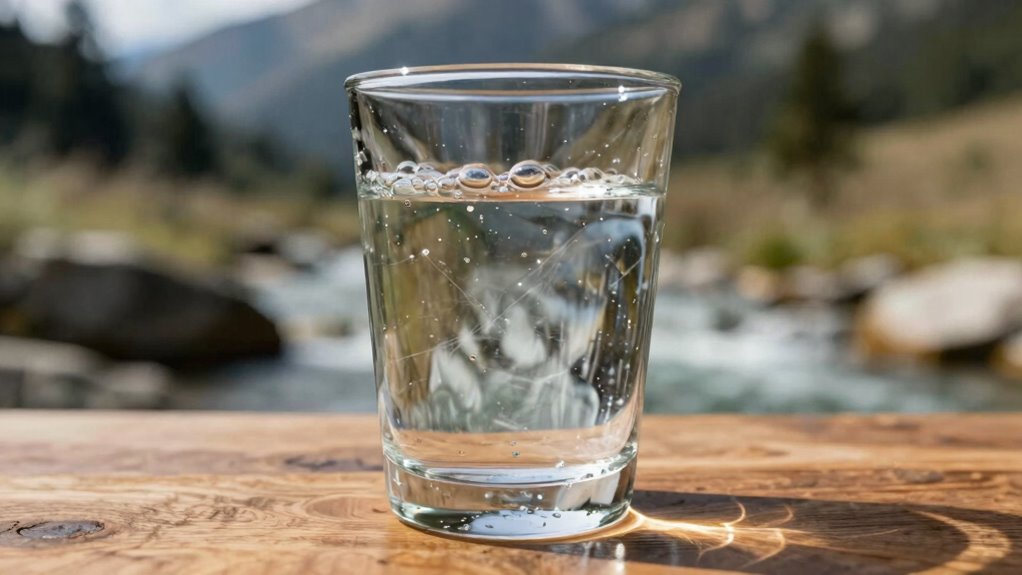

You may not realize how minerals in water subtly shape its sweetness. Magnesium can make water taste smoother and more satisfying, enhancing the perception of natural sweetness. Conversely, high sodium levels can make water seem saltier, masking subtle sweet notes. These mineral interactions influence your flavor experience without your conscious awareness. If you keep exploring, you’ll discover how understanding these mineral effects can change the way you enjoy every sip.

Get coffee and tea gear delivered free with Prime
- Fast, free delivery on millions of items
- Prime Video, Amazon Music and more included
- Member-only deals all year
Key Takeaways
- Minerals like magnesium enhance water’s perceived sweetness by interacting with taste receptors.
- High sodium levels can mask subtle sweet notes, altering flavor perception.
- Proper mineral balance creates a harmonious taste, making water seem naturally sweeter.
- Mineral composition influences flavor beyond hydration, affecting freshness and satisfaction.
- Many people overlook minerals’ role, missing how they subtly shift water’s sweetness perception.
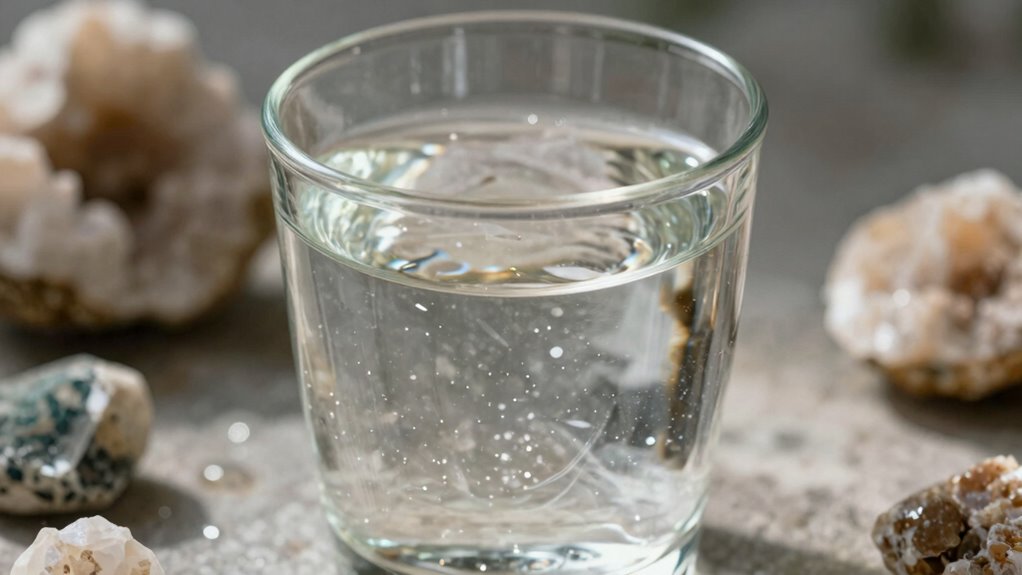
Water’s minerals play a essential role in influencing its taste, often making it seem sweeter or more invigorating. When you take a sip, the mineral composition of the water subtly shapes how you perceive its flavor. This isn’t just about the presence of minerals like calcium, magnesium, or sodium; it’s about how these elements interact with your palate to affect your overall experience. You might not realize it, but the mineral makeup can greatly enhance or diminish your perception of sweetness in water. Some mineral profiles can make water feel more refreshing and naturally sweet, while others may lend a more metallic or bitter note that masks any underlying sweetness.
Minerals in water subtly influence taste, enhancing sweetness or adding metallic notes that shape your perception.
The concept of sweetness perception isn’t solely linked to sugar or artificial additives; it’s also influenced by the minerals dissolved in water. For example, magnesium-rich water tends to taste smoother and can enhance a perception of natural sweetness. This is because magnesium interacts with taste receptors on your tongue, amplifying certain sensations that make the water feel more satisfying. Conversely, water with high sodium content might taste saltier, which can mask subtle sweet notes or create a different flavor profile altogether. The mineral composition acts as a silent influencer, shifting your impression of water’s overall flavor profile without you necessarily realizing it. Additionally, the balance of minerals can create a harmonious taste, making the water more enjoyable to drink. Proper mineral balance is crucial for achieving this flavor harmony.
You might find yourself preferring certain waters over others, not just because of the temperature or packaging, but because of how the minerals influence your taste buds. The mind often associates specific mineral profiles with freshness or purity, which can also contribute to that perception of sweetness. It’s a nuanced dance between mineral content and your sensory receptors. When minerals like calcium and magnesium are present in balanced amounts, they can create a perception of natural sweetness that makes drinking water more pleasurable. Sometimes, you might even notice that mineral-rich waters taste more satisfying than those with a more neutral or flat profile. Recognizing the mineral interactions can help you choose water that aligns with your flavor preferences.
Understanding the connection between water’s mineral composition and sweetness perception helps you appreciate why certain waters taste better to you. It’s not just about hydration; it’s about the complex interplay of minerals that enhance the sensory experience. This subtle, often unnoticed influence can shape your preferences and make you seek out waters with specific mineral profiles. So next time you reach for a glass, consider how the mineral makeup might be elevating your perception of sweetness, making that sip more enjoyable and invigorating than you might have realized. Recognizing this minerals’ impact can deepen your appreciation for the nuanced flavors in your everyday water.
As an affiliate, we earn on qualifying purchases.
Frequently Asked Questions
How Do Water Minerals Affect Overall Hydration?
Water minerals directly impact your hydration efficiency by influencing how well your body absorbs and retains water. Mineral interactions, like calcium and magnesium, enhance hydration, making water more effective. When you drink mineral-rich water, you support better electrolyte balance and nutrient absorption. So, choosing water with the right mineral content helps you stay hydrated longer and more effectively, especially during physical activity or hot weather.
Can Mineral Levels in Water Change Over Time?
A stitch in time saves nine, and the same applies to mineral levels in water. They can change over time due to water composition changes, like exposure to different environments or treatment processes. While mineral stability varies, continuous monitoring helps maintain water quality. You might notice subtle differences, but these shifts don’t usually affect safety. Stay aware of changes in your water supply to guarantee peak mineral balance and taste.
Are There Health Risks Associated With Mineral-Heavy Water?
Drinking mineral-heavy water can pose health risks if it causes a mineral imbalance or leads to toxic mineral buildup in your body. Excessive minerals like calcium or magnesium might strain your kidneys or impact your cardiovascular health. To stay safe, monitor your intake, especially if you have existing health issues. Moderate consumption and variety in your water sources help prevent these risks and maintain overall mineral balance.
How Does Mineral Content Influence Water’s Shelf Life?
Imagine your water turning into a flavorless, boring mess overnight—that’s what happens when mineral content influences shelf life. Mineral stability plays a huge role in shelf life preservation; high mineral levels can cause rapid degradation, making your water lose freshness faster. Conversely, balanced minerals help maintain quality longer. So, maintaining mineral levels in check ensures your water stays crisp, clean, and enjoyable for extended periods.
Do Bottled Waters Vary Significantly in Mineral Composition?
Yes, bottled waters vary considerably in mineral composition due to their unique mineral sourcing. This variation influences flavor profiles, making some waters taste crisper and others more mineral-rich or slightly salty. When you choose bottled water, you’ll notice these differences in taste, which are directly linked to the specific minerals present. So, your preferred flavor may depend on the mineral sources and the resulting mineral balance in each bottle.
Conclusion
So, next time you sip on water, remember those tiny minerals can subtly influence its sweetness. Don’t worry if you don’t notice the difference right away—that’s totally normal! Your palate takes time to adjust, and paying attention makes it more fun. Embrace the little taste shifts; they’re like secret clues to appreciating water’s hidden flavors. After all, exploring these tiny changes can turn plain hydration into a delightful sensory adventure. Cheers to discovering your water’s secret sweetness!
Halloween Picks
halloween
As an affiliate, we earn on qualifying purchases.