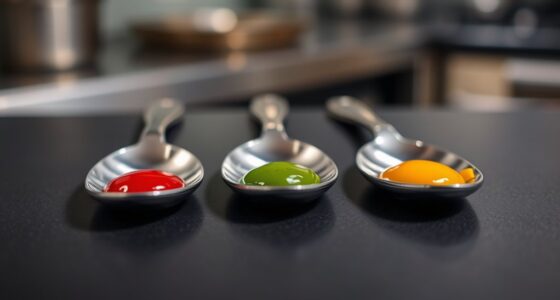
Your aftertaste reveals a lot about a product’s true quality. A pleasant, complex, and lasting flavor indicates good craftsmanship and high-quality ingredients. If the aftertaste is fleeting or unpleasant, it may signal flaws or inferior components. Pay attention to how flavors linger and evolve, as they reflect the product’s integrity and consistency. To uncover more about what aftertaste can tell you, explore how sensory cues inform your taste experience.
Key Takeaways
- A lingering, pleasant aftertaste indicates high-quality ingredients and skillful flavor preservation.
- Complex and harmonious aftertastes reveal depth and craftsmanship in the product.
- Unpleasant, fleeting, or off-flavors suggest inferior ingredients or production flaws.
- The consistency between initial taste and aftertaste reflects product integrity and balance.
- A well-preserved aftertaste showcases the product’s overall quality and sensory sophistication.
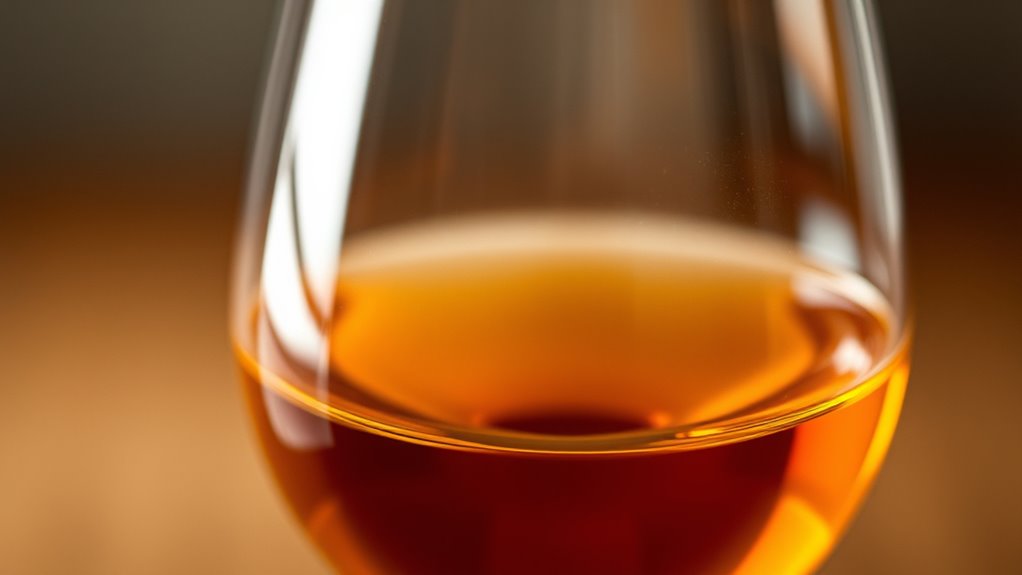
Have you ever noticed how the flavor of a meal or drink lingers long after you’ve finished? That lingering sensation is known as aftertaste, and it reveals a lot about the quality of what you’ve just enjoyed. When you pay close attention to aftertaste, you’re engaging in sensory analysis—a method used to evaluate how flavors evolve on your palate over time. This aspect of tasting isn’t just about what hits your tongue initially but about how well the flavor persists, transforms, or fades. A good aftertaste often indicates strong flavor preservation, meaning the product maintains its intended profile without unwanted bitterness or off-flavors taking over.
A lingering aftertaste indicates strong flavor preservation and quality in your tasting experience.
The quality of an edible or drinkable product can often be judged by how clean or complex its aftertaste is. For instance, a fine wine or a well-crafted coffee will leave a lingering, pleasant aftertaste that hints at the depth of flavors within. You might notice hints of fruit, spices, or subtle earthy notes that reveal the complexity of the product. On the other hand, a poor-quality item may produce a harsh, fleeting, or even unpleasant aftertaste. This can signal flaws in the production process or inferior ingredients. When you practice sensory analysis, you learn to distinguish these nuances, giving you insight into the product’s craftsmanship and overall quality.
Flavor preservation plays a vital role in creating a memorable aftertaste. Good products retain their flavor integrity over time, ensuring that what you taste initially is consistent with what lingers on your palate. When flavors diminish or morph into undesirable tastes quickly, it suggests poor flavor preservation. This is especially important in beverages like wine, coffee, or spirits, where the aftertaste can either elevate the experience or detract from it entirely. Your ability to assess these qualities depends on your palate’s sensitivity and your understanding of how flavors should behave during and after tasting.
As you develop your tasting skills, paying attention to aftertaste enhances your appreciation of quality. It encourages you to look beyond the surface and consider the full flavor journey—from initial sip to the lingering finish. The best products leave a balanced, harmonious aftertaste that reflects skillful flavor preservation. The more you hone your sensory analysis, the better you’ll become at recognizing the subtle differences that separate a mediocre product from an exceptional one. Ultimately, aftertaste is a powerful indicator of quality, revealing the craftsmanship, ingredients, and care that went into creating what you’re enjoying. Recognizing these nuances can also help you identify artificial flavors or impurities that diminish overall quality.
wine tasting glass with aroma tulip
As an affiliate, we earn on qualifying purchases.
As an affiliate, we earn on qualifying purchases.
Frequently Asked Questions
How Does Aftertaste Influence Overall Beverage Quality Assessment?
Your perception of a beverage’s overall quality is greatly influenced by its aftertaste. When the aftertaste showcases flavor complexity and aroma persistence, it indicates a well-crafted drink. A lingering, pleasant aftertaste enhances your experience, suggesting high quality. Conversely, a harsh or fleeting aftertaste can diminish your impression. So, pay attention to how the flavor and aroma evolve after swallowing, as they reveal the beverage’s true craftsmanship and depth.
Can Aftertaste Indicate Brewing or Processing Issues?
Yes, your aftertaste can reveal brewing or processing issues that might lurk beneath the surface. When flavor consistency falters or aroma adjustments seem off, that lingering taste often signals something’s amiss in the process. It’s a subtle warning, hinting that impurities or improper techniques could be affecting quality. Pay close attention to these clues, and you’ll uncover hidden flaws that could compromise your beverage’s true potential.
What Factors Affect the Duration of Aftertaste?
The duration of aftertaste depends on factors like flavor longevity and residual complexity. If a beverage has rich, well-balanced flavors, its aftertaste will last longer, allowing you to savor subtle nuances. Ingredients, brewing or processing methods, and how the beverage is stored also influence this. Generally, a complex profile with lingering flavors shows higher quality, providing a more satisfying and memorable experience.
Are There Cultural Differences in Perceiving Aftertaste?
Yes, cultural perceptions markedly influence how you perceive aftertaste. Your taste preferences are shaped by cultural experiences, making some flavors more appealing or lingering differently across cultures. For instance, certain spices or bitterness might be appreciated in one culture but less favored in another. These differences affect how you interpret and enjoy aftertaste, highlighting how deeply cultural factors influence your overall flavor perception and preferences.
How Can Consumers Improve Their Ability to Detect Aftertaste?
To improve your ability to detect aftertaste, focus on developing your flavor recognition skills through sensory training. Practice tasting different products and note subtle flavor nuances and lingering sensations. Take your time with each sip or bite, consciously identifying aftertaste components. Over time, this active engagement will sharpen your senses, making it easier to recognize and appreciate the complexity of aftertaste, ultimately enhancing your overall tasting experience.
Conclusion
Think of aftertaste like the final note of a song—you might forget the lyrics but remember the melody. I once sipped a coffee that seemed perfect at first, but its lingering bitterness revealed shortcuts in its roasting process. That prolonged aftertaste told me more about its quality than the initial aroma. So, next time you taste something, pay attention to what lingers; it’s often the true flavor that reveals its worth.