
Water chemistry greatly impacts your beverage’s flavor by influencing pH balance, mineral levels, and overall consistency. Proper pH helps natural flavors shine, while minerals like calcium and magnesium add richness without overpowering. Variations can cause flatness, bitterness, or metallic tastes. Maintaining stable water chemistry guarantees your drinks remain delicious and predictable, enhancing flavor clarity and complexity. To learn how to optimize these factors and perfect your beverages, keep exploring these essential details.

Get coffee and tea gear delivered free with Prime
- Fast, free delivery on millions of items
- Prime Video, Amazon Music and more included
- Member-only deals all year
Key Takeaways
- pH levels influence beverage acidity, altering flavor perception and balance.
- Mineral content affects richness, body, and subtle flavor notes in drinks.
- Stable water chemistry ensures consistent taste profiles across batches.
- Adjusting pH and minerals can troubleshoot and enhance flavor extraction.
- Proper water chemistry amplifies ingredient flavors, improving overall beverage quality.
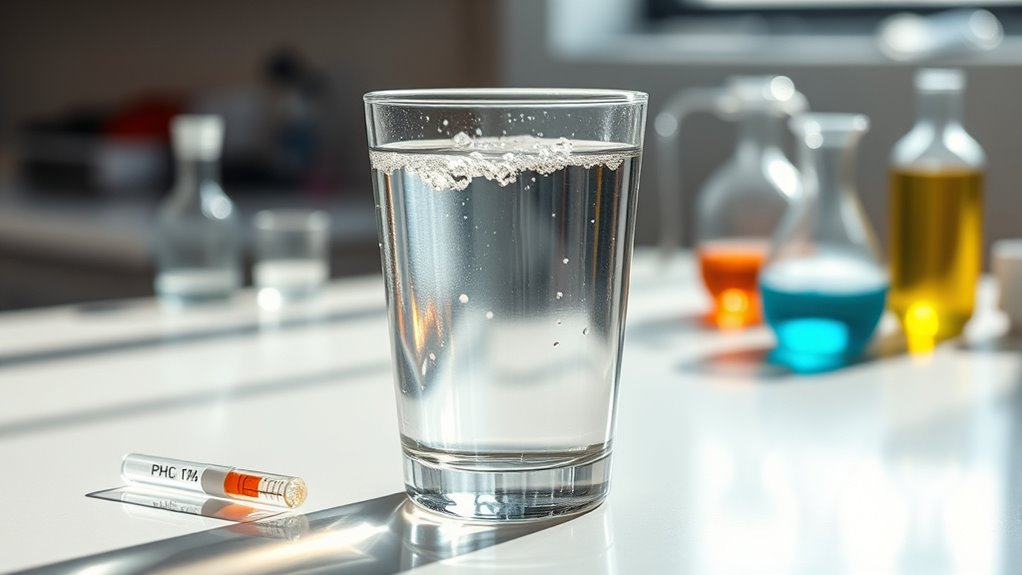
Water chemistry plays a critical role in shaping the flavor profile of your beverages. When you start considering how water affects taste, it’s essential to understand that factors like pH balance and mineral content directly influence the overall flavor you experience. The pH level of your water determines its acidity or alkalinity, which can enhance or diminish certain flavors in your brew or drink. For example, water with a pH that’s too high or too low can make your coffee or tea taste flat, sour, or overly bitter. Striking the right pH balance ensures that the natural flavors of your ingredients shine through without interference from the water itself.
Mineral content is equally important. Water contains various minerals—calcium, magnesium, sodium, and trace elements—that impact the taste in subtle yet significant ways. High mineral levels can add a certain richness or body to your beverages, especially in coffee and beer, where mineral interactions clarify or deepen flavors. Conversely, water that’s overly mineralized might introduce unwanted bitterness or metallic notes, overshadowing the delicate nuances of your drink. On the other hand, water with very low mineral content, often called “soft water,” can make beverages taste flat or dull because it lacks the mineral elements that help carry and balance flavor profiles. Understanding the mineral content of your water allows you to adjust brewing parameters or consider filtration options that improve taste.
Adjusting pH and mineral content isn’t just about improving flavor; it’s also about consistency. When you use water with a stable pH and predictable mineral levels, you can produce more consistent results, whether you’re brewing coffee, making tea, or crafting beer. This consistency helps you develop your signature flavors and ensures that every cup tastes as good as the last. If you’re using tap water that varies in mineral content or pH, it might be worth investing in testing kits or filtration systems designed to stabilize these factors. This way, you remove the unpredictability from your brewing process and optimize flavor extraction.
Additionally, understanding water chemistry can help you troubleshoot issues like off-flavors or poor extraction, leading to a more refined brewing process. In essence, paying attention to water chemistry—its pH balance and mineral content—lets you harness the full potential of your ingredients. It’s not just about the quality of coffee beans or tea leaves but also about how your water interacts with them. When you manage these elements effectively, you’ll notice a marked improvement in flavor clarity, complexity, and overall enjoyment. Good water chemistry isn’t just a technical detail; it’s a fundamental part of crafting exceptional beverages that truly taste their best.
water pH testing kit for brewing
As an affiliate, we earn on qualifying purchases.
As an affiliate, we earn on qualifying purchases.
Frequently Asked Questions
How Does Mineral Content Affect Beer Flavor?
You’ll notice that mineral content directly shapes your beer’s flavor profile. When the mineral balance is just right, it enhances malt sweetness or hop bitterness, creating a well-rounded taste. Too many minerals, like calcium or sulfate, can introduce off-flavors or harshness, while too few can make the beer feel flat. Adjusting mineral levels helps you craft the perfect flavor profile, making your beer more enjoyable and true to style.
Can Water Ph Influence Coffee Taste?
Yes, water pH can influence coffee taste. When you maintain proper pH balance, it affects taste perception, making your coffee brighter or smoother. Acidic water (low pH) can enhance fruity and acidic notes, while alkaline water (high pH) might mute flavors or add bitterness. Adjusting your water’s pH guarantees a balanced extraction, allowing you to fully enjoy the complex flavors in your coffee.
What Water Impurities Alter Wine Flavor?
Imagine swirling wine in your glass, then noticing an off-putting metallic or sour note—that’s often due to water impurities. Mineralization, like excess calcium or magnesium, can intensify or clash with wine’s delicate flavors. Impurity effects from chlorine or sulfur compounds can introduce odd tastes or odors. These impurities alter the wine’s natural profile, so you should be mindful of how water mineralization and impurity effects influence your wine’s flavor, enhancing or diminishing its complexity.
How Does Carbonate Hardness Impact Brewing?
Carbonate hardness considerably affects brewing chemistry by buffering pH levels, which influences enzyme activity and fermentation. High carbonate hardness can cause your water to resist pH adjustments, leading to potential issues like overly alkaline wort. To maintain ideal brewing conditions, you should monitor and adjust carbonate hardness carefully, balancing it to ensure proper enzyme performance and flavor development in your beer. Proper water management results in better consistency and quality.
Are There Health Concerns With Mineral Adjustments?
Think of mineral adjustments as adding spices to a dish — too much can spoil the flavor, or in this case, pose health risks. Generally, mineral safety is maintained when levels stay within recommended guidelines, but improper adjustments could lead to health concerns like kidney strain or mineral buildup. Always make certain you’re using food-grade minerals and follow proper guidelines to avoid health risks, keeping your brewing safe and enjoyable.
Conclusion
Understanding water chemistry is like tuning a musical instrument—you’ll find the perfect harmony that enhances your beverage’s flavor. Small tweaks in mineral levels can turn a good drink into an extraordinary one, making each sip a symphony of taste. So, next time you enjoy a glass, remember, it’s not just water—it’s the secret conductor behind every memorable flavor. Pay attention to its composition, and you’ll discover a world of delicious possibilities.
Halloween Picks
halloween
As an affiliate, we earn on qualifying purchases.