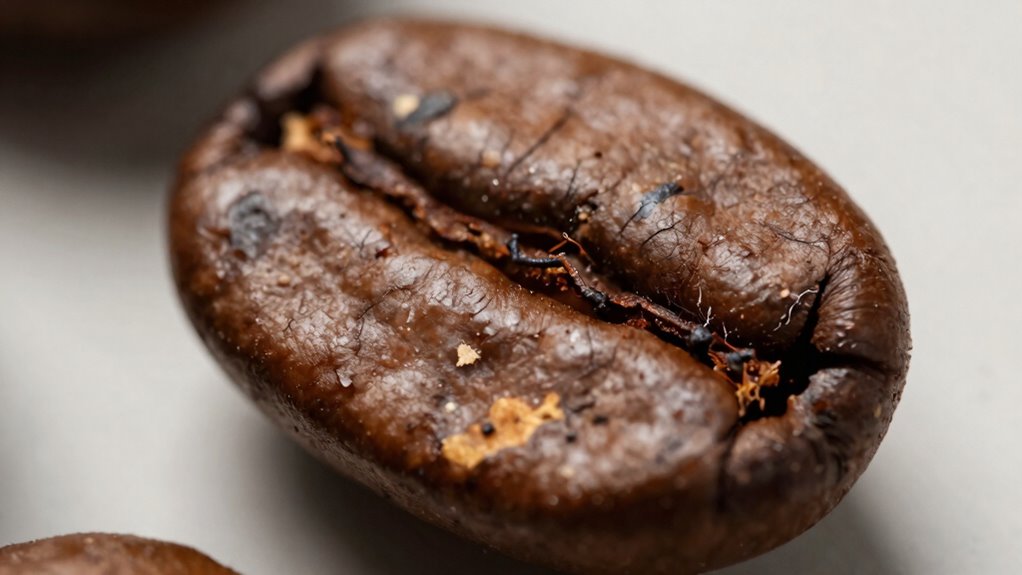

To spot roast defects at home without fancy gear, pay close attention to visual cues like uneven color or beans turning too dark or pale. Smell for burnt, vegetal, or sour odors that indicate over- or under-roasting. Listen for crack sounds—early or late cracking can signal temperature issues. Notice irregular chipping or cracking to identify uneven heat. Master these signs to improve your roasting skills and achieve perfect results every time. Keep exploring to learn more tips and tricks.

Get coffee and tea gear delivered free — and shop member deals
- Fast, free delivery on millions of items
- Access to Prime Big Deal Days deals on October 6–7
- Prime Video, Amazon Music and more included
Key Takeaways
- Observe color consistency; uneven or overly dark beans indicate uneven roasting.
- Smell for burnt, vegetal, or sour aromas that signal over- or under-roasting.
- Listen for crack sounds; irregular or absent cracks suggest improper heat application.
- Check for irregular chipping or cracking patterns as signs of uneven heat.
- Use visual cues like bean surface shine and uniformity to assess roast progress.
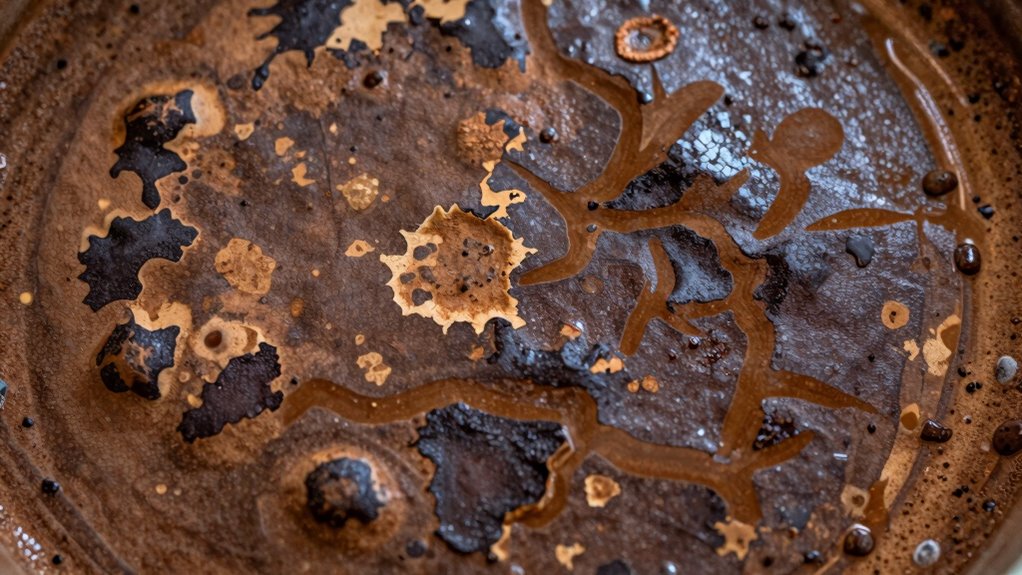
When it comes to roasting, even small defects can affect the flavor and quality of your final product. As you become more familiar with your home roasting process, you’ll notice that understanding the nuances of coffee bean varieties and mastering roasting temperature control are essential for avoiding common defects. Different coffee bean varieties respond uniquely to heat, so paying attention to their characteristics helps you identify issues early. For instance, some beans might be more prone to scorching or uneven roasting if the temperature isn’t carefully managed.
Roasting temperature control is the backbone of a good roast, and without fancy gear, you need to rely on your senses and simple tools. Keep a close eye on the color and aroma of your beans during roasting. If you notice beans turning too dark too quickly or developing an uneven color, it’s a sign your temperature might be too high or fluctuating. Conversely, if the beans remain pale or don’t develop the typical crack sounds, it can indicate under-roasting or inconsistent heat application. These signs are crucial for catching roast defects early before they compromise flavor.
You should also pay attention to the smell during roasting. A burnt, acrid odor signals excessive heat or over-roasting, while a sour or vegetal smell suggests underdeveloped beans or insufficient heat. If you observe chipping or cracking of beans that seem irregular, it might be due to uneven heat distribution or inconsistent temperature control. These defects can lead to a brew that’s unbalanced, with off-flavors that mask the beans’ true character. Recognizing how the beans react during roasting can help you better understand roast defects and how to prevent them. Additionally, understanding heat distribution within your roasting environment can significantly improve your results. Developing a good sense of visual cues during roasting can help you intervene promptly and adjust your process as needed.
Knowing your coffee bean varieties helps you anticipate how they might react during roasting. Some beans are more fragile and can develop defects like scorched spots or uneven roast if temperature control isn’t precise. By understanding their tendencies, you can adjust your approach, such as reducing heat or extending roasting time, to avoid these issues. Also, listen for the first and second crack sounds—these are good indicators of the roast stage. If cracks happen too early or too late, it may signal that your temperature control isn’t optimal. Being mindful of bean characteristics can help you fine-tune your process for better results. Paying attention to heat control techniques can further help prevent common roasting flaws.
home coffee roasting thermometer
As an affiliate, we earn on qualifying purchases.
As an affiliate, we earn on qualifying purchases.
Frequently Asked Questions
Can Roast Defects Occur on All Types of Meat?
Yes, roast defects can occur on all types of meat, especially if you don’t pay attention to meat aging and storage conditions. Poor storage can cause spoilage or spoilage signs, while improper aging might lead to uneven textures or flavors. Always check for off smells, sliminess, or discoloration. Proper storage and understanding meat aging help prevent defects, ensuring your roast turns out tender, flavorful, and safe to eat.
How Long Does It Take to Notice a Roast Defect?
You can usually spot a roast defect within minutes to a few hours through visual inspection, especially if you’re familiar with meat aging signs. Look for discoloration, dryness, or an unusual texture that indicates spoilage or improper aging. Regularly inspecting your meat helps catch issues early, so you can decide whether it’s still good or needs to be discarded. The sooner you identify it, the better your chances of avoiding waste.
Are There Specific Signs for Different Roast Defects?
You can spot different roast defects by paying close attention to visual inspection and smell assessment. For example, a pale, uneven color hints at underdevelopment, while a bluish hue suggests overroasting. A sour or burnt smell signals defects like sour beans or burnt roast. Trust your senses—look for discoloration, surface cracks, or uneven surface, and breathe in the aroma to identify flaws that might compromise your brew’s quality.
Can Improper Storage Cause Roast Defects Before Cooking?
Yes, improper storage can cause roast defects before cooking. If meat isn’t stored under proper conditions, it can lose freshness, develop off odors, or even spoil. Poor storage conditions, like exposure to air, heat, or humidity, accelerate spoilage and affect meat quality. To prevent defects, keep your meat in airtight containers, at the right temperature, and avoid prolonged exposure to unfavorable conditions. This helps maintain meat freshness and guarantees a better roast.
Is It Safe to Eat a Roast With Minor Defects?
If the roast has minor defects, it’s generally safe to eat if the meat remains fresh and shows no signs of spoilage. You should check meat freshness by smelling and inspecting its color and texture. Using proper cooking techniques, like thorough heating, helps kill bacteria and makes the meat safe. However, if the defects include an off smell, sliminess, or discoloration, it’s best to discard the roast for safety.
Conclusion
Now that you know what to look for, you’re equipped to spot roast defects without fancy gear. Think of your oven as a detective’s magnifying glass—every crack and discoloration tells a story. By paying attention to these signs, you’re turning yourself into a skilled inspector, ensuring every roast is perfect. So, don’t let defects hide in plain sight—be the hero of your kitchen, revealing flaws with the keen eye of a detective.
Fall Picks
fall essentials
As an affiliate, we earn on qualifying purchases.