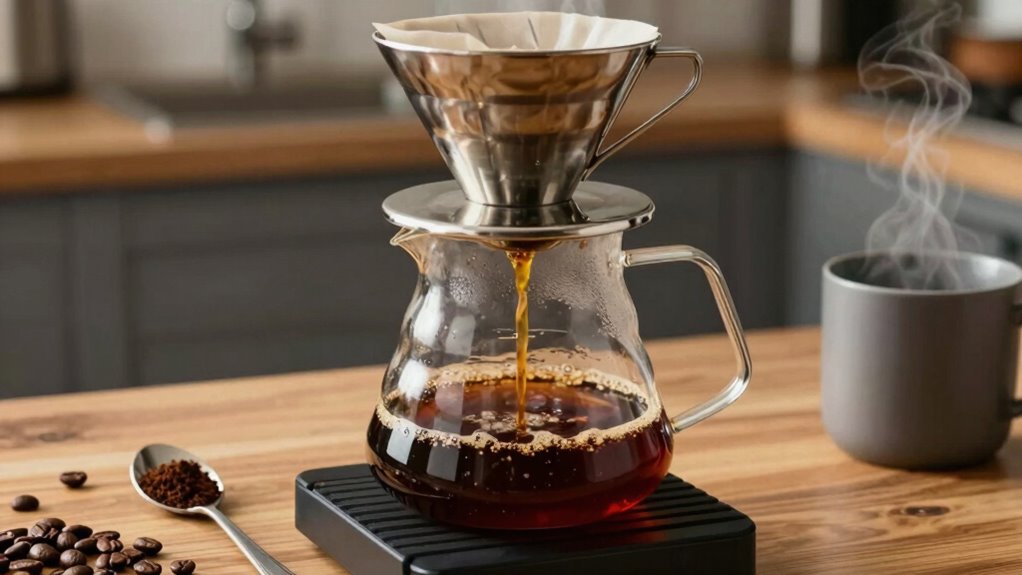
To make a full pot of specialty-tasting coffee at home, use a medium grind similar to sand for balanced extraction, and keep your brewing temperature between 195°F and 205°F for ideal flavor. Preheat your equipment and maintain steady heat during brewing to avoid uneven extraction. Consistent grind size, precise temperature control, and careful process steps are key—continue exploring for more tips on perfecting your large-batch brew.
Key Takeaways
- Use a medium grind size for balanced extraction and consistent water flow in large batches.
- Preheat brewing equipment and maintain steady temperature throughout brewing for optimal flavor.
- Employ brewing devices with precise temperature controls to prevent over- or under-extraction.
- Monitor and adjust water temperature during brewing to stay within the ideal 195°F to 205°F range.
- Maintain uniform brewing conditions and avoid temperature fluctuations to produce high-quality, specialty-taste coffee.

Batch brewing at home is a practical way to enjoy fresh coffee or beer without the hassle of daily preparation. Whether you’re making a large pot of coffee to serve friends or brewing a sizable batch of beer for the weekend, paying attention to key details can elevate the quality of your beverage. One of the most critical factors in brewing a full pot that still tastes like a specialty is understanding how grind size and brewing temperature influence extraction and flavor.
When brewing coffee in bulk, your grind size plays a significant role. If you grind your beans too fine, the water will extract too quickly, leading to a bitter or over-extracted taste. Conversely, a grind that’s too coarse will result in under-extraction, leaving your coffee dull and weak. For a full pot, aim for a medium grind—similar to sand—so that the water flows through evenly, extracting a balanced range of flavors. Adjust your grinder accordingly, especially if you’re using different beans or brewing methods, to guarantee consistency across large batches.
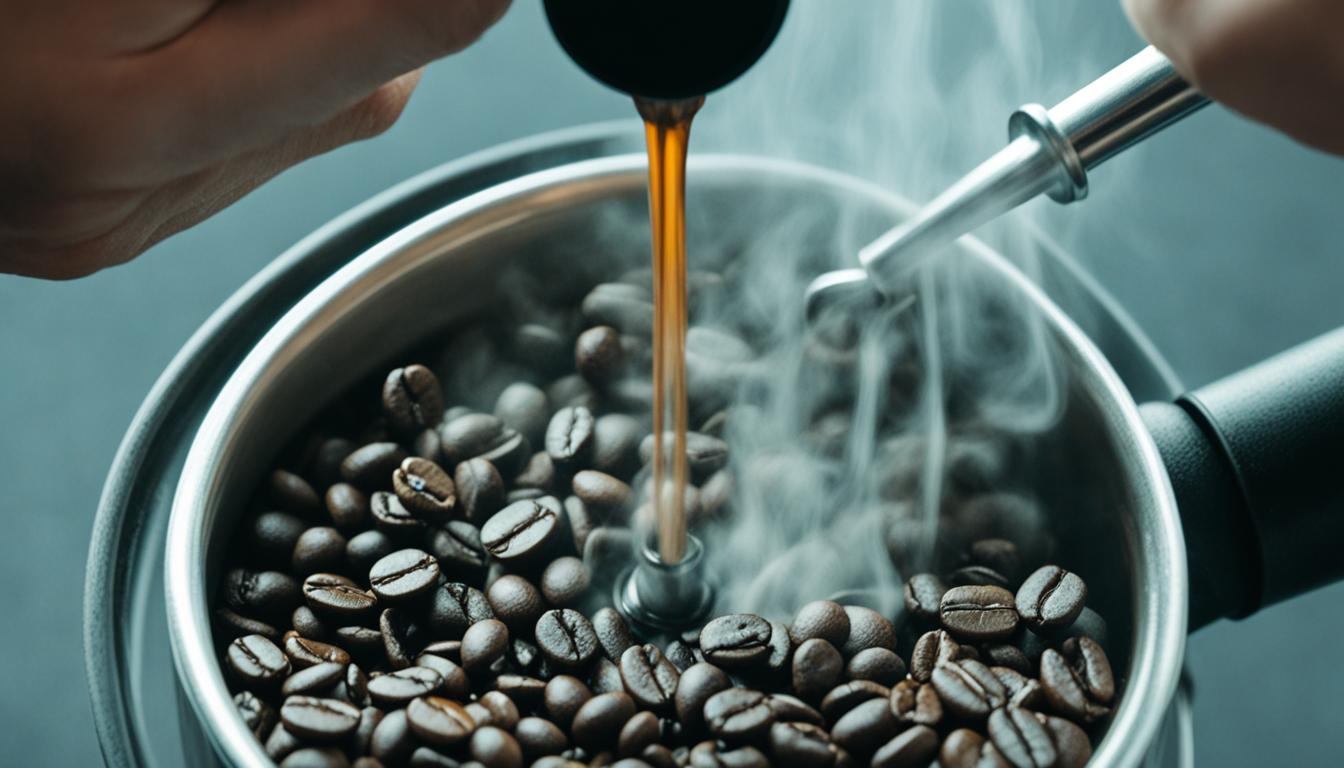
Brewing temperature is equally crucial. Hot water is necessary to extract the full spectrum of flavors from your coffee grounds or grains, but brewing at the wrong temperature can compromise taste. For coffee, the ideal brewing temperature is typically between 195°F and 205°F (90°C to 96°C). Staying within this range ensures peak extraction without scalding your grounds. When brewing in large quantities, maintain a steady temperature to prevent uneven extraction. Using a quality brewer with temperature control or preheating your equipment can help keep the water at the correct temperature throughout the process. If you’re brewing beer in a batch, temperature control during fermentation is essential for flavor development, but during brewing, the mash temperature and boiling process should also be carefully monitored to ensure proper enzymatic reactions and clarity.
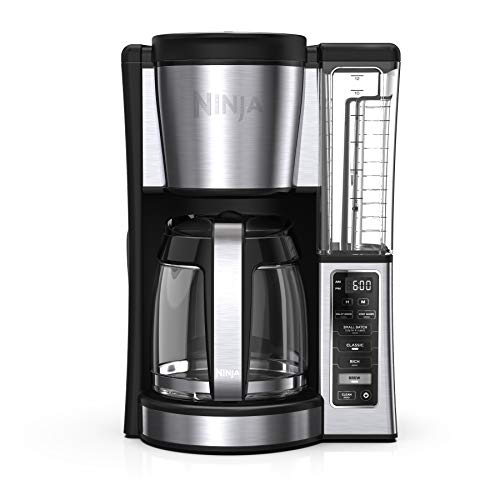
Ninja 12-Cup Programmable Coffee Brewer, 2 Brew Styles, Adjustable Warm Plate, 60oz Water Reservoir, Delay Brew – Black/Stainless Steel
2 BREW STYLES: Classic or Rich, each brew is flavorful and never bitter with custom brew strengths.
As an affiliate, we earn on qualifying purchases.
As an affiliate, we earn on qualifying purchases.
Frequently Asked Questions
How Long Can Brewed Coffee Stay Fresh in a Pot?
Brewing coffee stays fresh in a pot for about 30 minutes to an hour. After that, coffee undergoes coffee oxidation, which causes flavor degradation. To keep it tasting good longer, transfer it to a thermos or an airtight container. This slows down oxidation and preserves the flavor. Remember, coffee tastes best when enjoyed fresh, so avoid keeping it out for extended periods to enjoy its full, rich flavor.
What Are the Best Storage Methods for Leftover Coffee?
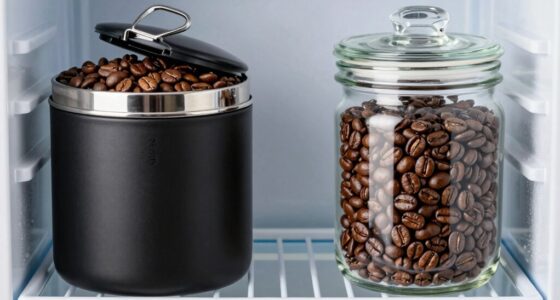
You might think refrigerating coffee ruins its flavor, but proper coffee storage actually helps preserve its freshness. To maximize flavor preservation, transfer leftover coffee to an airtight container, preferably glass or stainless steel, and store it in the fridge. Avoid leaving coffee in the pot, which can cause bitterness. Reheat gently or enjoy cold. This way, you keep your coffee fresh and flavorful for a longer time.
Can I Use Single-Origin Beans for Batch Brewing?
Yes, you can use single-origin beans for batch brewing. They offer unique flavor profiles and benefits that enhance your coffee experience. Keep in mind, using single-origin beans helps maintain flavor consistency across larger batches. To get the best results, grind the beans evenly and adjust your brewing time accordingly. This way, you enjoy rich, distinctive flavors in every full pot, making your batch brew truly exceptional.
How Do I Prevent Over-Extraction in a Large Batch?
To prevent over-extraction, you gotta tame that beast called grind size and brewing temperature. Keep your grind medium to coarser—no espresso fineness, no powdery disaster. And don’t crank up the heat; aim for 195-205°F. Stir gently, and don’t let the brew sit too long. Your taste buds will thank you, and you’ll avoid that bitter, over-extracted mess that ruins your batch. Cheers to perfect coffee!
Is It Safe to Reheat Brewed Coffee Multiple Times?
You can reheat brewed coffee multiple times, but it’s not ideal for maintaining coffee freshness or reheating safety. Each time you reheat, the coffee loses flavor and gains a bitter taste. For the best experience, avoid reheating more than once, and always guarantee the coffee is heated thoroughly. To preserve coffee freshness and reheating safety, consider making smaller batches or warming only what you plan to drink.

Bizzy Organic Cold Brew Coffee | Smooth & Sweet Blend | Coarse Ground Coffee | Micro Sifted | Specialty Grade | 100% Arabica | 1 LB
Coarse ground coffee optimized for cold brew
As an affiliate, we earn on qualifying purchases.
As an affiliate, we earn on qualifying purchases.
Conclusion
Don’t let the size of your batch hold you back from enjoying top-quality coffee at home. With a little care, you can brew a full pot that’s just as vibrant and flavorful as your favorite café’s. Sure, some worry it might go cold or lose its freshness, but if you store it properly and serve it promptly, you’ll savor every sip. Embrace batch brewing—you deserve a consistently great cup, every time.

Electric Tea Kettle, INTASTING Glass Electric Kettle with tea Infuser and Precise knob temperature control, 1200W Fast Heating, BPA-Free, Easy to Clean, 1 Liter (Dark Gray)
Fashionable Appearance: Combining minimalist design with modern aesthetics, this electric kettle stands out with its fashionable and youthful…
As an affiliate, we earn on qualifying purchases.
As an affiliate, we earn on qualifying purchases.

68oz Coffee Carafe Airpot Insulated Coffee Urn Stainless Steel Vacuum Thermal Pot Flask for Coffee, Hot Water, Tea, Hot Beverage – Keep 12 Hours Hot, 24 Hours Cold
12HR HOT & 24HR COLD: GearRoot coffee carafe uses advanced double-wall vacuum insulated technology to lock the temperature,…
As an affiliate, we earn on qualifying purchases.
As an affiliate, we earn on qualifying purchases.