
Decaf coffee still contains small amounts of caffeine, usually between 2 and 15 milligrams per 8-ounce cup. While it’s much lower than regular coffee, it’s not entirely caffeine-free. The exact amount varies depending on the decaffeination method used. If you’re concerned about caffeine intake, it’s helpful to know how much remains in your cup. Keep exploring to learn more about decaf coffee and its benefits.
Key Takeaways
- Decaf coffee typically contains 2 to 15 mg of caffeine per 8-ounce cup.
- The caffeine amount depends on the decaffeination method used.
- Some caffeine remains due to residuals from the decaffeination process.
- The caffeine content in decaf varies based on processing techniques.
- For caffeine-sensitive individuals, even small amounts in decaf may be significant.
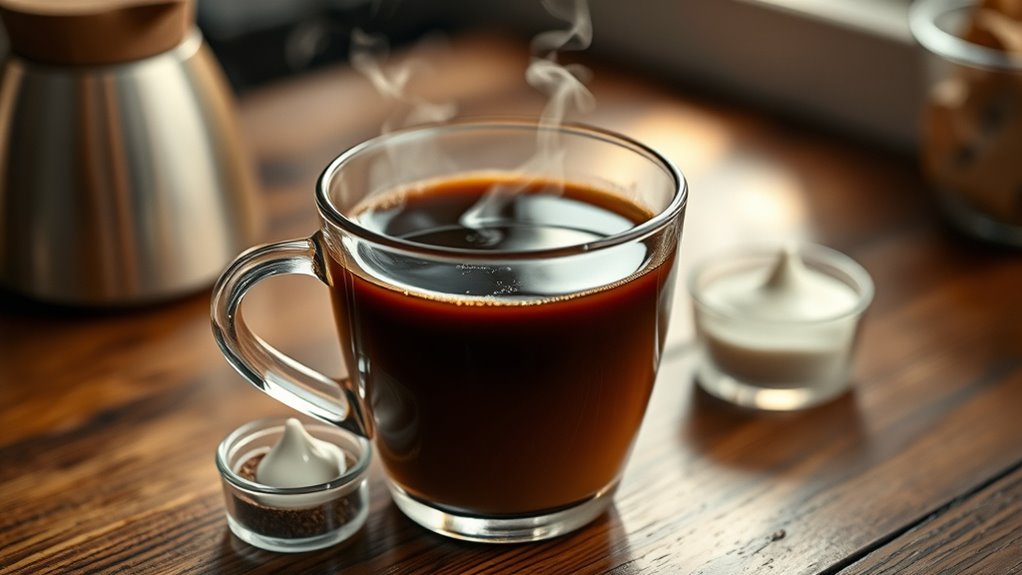
Have you ever wondered if you can enjoy the rich flavor of coffee without the caffeine rush? If you’re looking to cut back on caffeine but still crave that familiar taste, decaf coffee might be your perfect option. Many people assume decaf means completely caffeine-free, but that’s not entirely accurate. In reality, decaf coffee still contains small amounts of caffeine, which can vary depending on the method used during processing. Typically, decaf coffee contains about 2 to 15 milligrams of caffeine per 8-ounce cup, compared to 70 to 140 milligrams in regular coffee. This reduced caffeine content allows you to enjoy your favorite brew without the jitters or sleep disturbances often associated with caffeine consumption. Additionally, decaffeination methods influence the amount of caffeine remaining, with some techniques preserving more caffeine than others. One of the key reasons people choose decaf is for its potential health benefits. Decaf coffee offers many of the same antioxidants and nutrients as regular coffee, such as chlorogenic acids, which are linked to reduced inflammation and improved heart health. Because decaf has considerably less caffeine, it’s a better option for individuals sensitive to caffeine’s stimulant effects, such as those prone to anxiety, heart arrhythmias, or gastrointestinal issues. Consuming decaf can help you enjoy the antioxidant benefits of coffee while minimizing the risks associated with caffeine intake. Additionally, some studies suggest that decaf coffee may support liver health, improve mood, and even reduce the risk of certain chronic diseases, making it a smart choice if you’re looking to boost your health without overdoing caffeine. While decaf coffee offers many health benefits, it’s important to understand the caffeine content. Even though it’s labeled as “decaffeinated,” it’s not entirely caffeine-free. If you’re trying to eliminate caffeine completely, you need to be aware that even small amounts in decaf can add up, especially if you drink several cups a day. The caffeine remaining in decaf is usually a result of the decaffeination process, which involves soaking beans in water, using solvents, or employing carbon dioxide to extract caffeine. The effectiveness of these methods varies, influencing how much caffeine remains in the final product. If you’re highly sensitive to caffeine or need to avoid it for health reasons, checking the caffeine content on packaging can help you make informed choices.
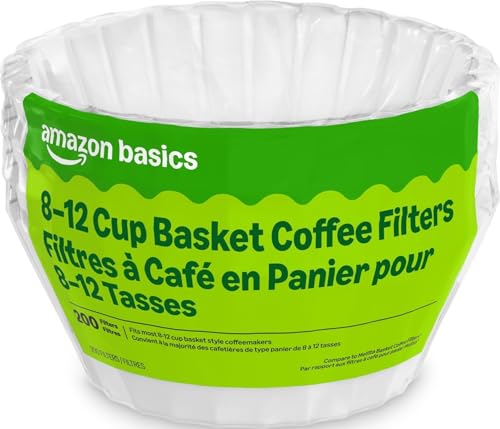
Amazon Basics Basket Coffee Filters for 8-12 Cup Coffee Makers, White, 200 Count, Packaging May Vary
- Package Quantity: 200 white basket filters
- Compatibility: Fits 8-12 cup coffee makers
- Filtration Quality: Excellent sediment removal
As an affiliate, we earn on qualifying purchases.
Frequently Asked Questions
How Long Does Decaf Coffee Retain Caffeine After Brewing?
Decaf coffee retains most of its caffeine immediately after brewing, but caffeine decay happens over time. You’ll notice a gradual decrease in caffeine content as it sits, especially if exposed to heat and air. Brewing temperature influences initial caffeine extraction; higher temps can extract more caffeine quickly. However, once brewed, caffeine levels remain relatively stable for hours, slowly decreasing if left exposed. So, enjoy your decaf fresh for the best caffeine experience.
Does Decaf Coffee Affect Sleep More or Less Than Regular Coffee?
Is decaf coffee a gentle whisper compared to the roaring impact of regular coffee? You’ll find that decaf affects your sleep quality less because it contains markedly less caffeine, reducing its caffeine impact. While it’s not completely caffeine-free, it’s a better choice if you’re sensitive to caffeine or trying to improve sleep. So, yes, decaf generally disrupts your sleep less than regular coffee, helping you rest more peacefully.
Are There Different Caffeine Levels in Decaf Coffee Brands?
Yes, different decaf coffee brands can have varying caffeine content levels. You’ll notice caffeine content variability because some brands use different decaffeination processes, leading to inconsistent caffeine reduction. Brand consistency also plays a role; some brands aim for a specific caffeine range, but others may vary more from batch to batch. Always check the label or contact the manufacturer if you need precise caffeine information to guarantee it meets your needs.
Can Decaf Coffee Cause Withdrawal Symptoms?
Yes, decaf coffee can cause withdrawal symptoms if you’re dependent on caffeine. Your dependency concerns mean you might experience headaches, fatigue, or irritability when you stop drinking it. While decaf contains much less caffeine, the small amount can still trigger withdrawal symptoms in sensitive individuals. To avoid these effects, gradually reduce your intake and monitor your body’s reactions, ensuring a smoother progression away from caffeine reliance.
Is Decaf Coffee Suitable for Pregnant Women?
Yes, decaf coffee can be suitable for pregnant women, but you should consider health concerns and caffeine transfer. Although it contains less caffeine, small amounts still transfer to your bloodstream, so moderation is crucial. Consult your healthcare provider to ensure it fits your individual needs. Keeping caffeine intake low helps reduce risks like sleep disturbances and high blood pressure, making decaf a safer option during pregnancy.
Conclusion
So, next time you sip your decaf, remember it’s not entirely without energy. Like Pandora’s box, it holds a surprising amount of caffeine, enough to stir your senses if you’re not careful. Whether you’re seeking a gentle lift or just savoring the flavor, knowing what’s inside helps you stay in control. Enjoy your brew, but keep the mystery alive—after all, even decaf’s secret can surprise you.