
Siphon brewing uses heat and vacuum pressure to extract coffee, creating a unique and theatrical process. You start by heating water in the lower chamber, pushing it through a tube into the upper chamber with coffee grounds. As heat is removed, a vacuum pulls the brewed coffee back down, resulting in a clean, flavorful cup. This method highlights the science behind water and grounds interaction—continue exploring to understand how each step influences your brew’s flavor.
Key Takeaways
- Siphon brewing uses heat to create vapor pressure, pushing hot water into the upper chamber with coffee grounds.
- Removing heat causes a vacuum that pulls brewed coffee back into the lower chamber, completing extraction.
- The process allows precise control over brewing variables, resulting in a clean, flavorful cup.
- The method combines science and ritual, offering a visually engaging and mindful coffee experience.
- The vacuum process minimizes bitterness, highlighting aromatic qualities and producing a smooth, balanced flavor.

Ever wondered how to brew coffee that delivers both exceptional flavor and a mesmerizing brewing experience? Siphon brewing, also known as vacuum brewing, is a fascinating method that elevates your coffee routine. It combines precise brewing techniques with a theatrical process, resulting in a cup that’s rich, clean, and full of nuanced flavors. When you master siphon brewing, you’ll not only enjoy a remarkable coffee but also appreciate the science behind how water and coffee grounds interact during the process.
The core of siphon brewing lies in its unique brewing techniques. You start by adding water into the lower chamber, which is heated until it creates vapor pressure. This pressure forces the hot water upward through a tube into the upper chamber containing your coffee grounds. As the water rises, it extracts the coffee’s flavors, creating a potent brew. Once the heat is removed, a vacuum is created as the lower chamber cools, pulling the brewed coffee back down through a filter into the base. This cycle of rising and falling water, driven by temperature changes, delivers a controlled extraction that’s hard to replicate with other methods.
During this process, the brewing techniques you employ directly influence the coffee flavor. Because the water is in contact with the grounds for a precise period, and because the brewing temperature remains consistent, siphon brewing produces a clean, bright cup that highlights the coffee’s aromatic qualities. The vacuum process ensures that unwanted bitterness and over-extraction are minimized, so you get a smooth, well-balanced flavor profile. You can tweak variables like grind size, water temperature, and brew time to customize the strength and flavor intensity, giving you full control over the final cup.
Siphon brewing ensures a clean, balanced coffee by controlling contact time and temperature for optimal extraction.
Watching the siphon in action adds an element of ritual to your coffee-making. As the water rises and falls, you witness a visual spectacle that heightens your appreciation for the brewing process. The entire operation demands attention and precision, encouraging you to focus on each step. This mindfulness translates into a better understanding of how brewing techniques impact coffee flavor, making each cup not just a beverage but a sensory experience. Additionally, understanding the role of heat and pressure in the process can help you optimize your brewing setup for better results. When you get comfortable with siphon brewing, you’ll find it’s a rewarding way to explore the subtleties of coffee, turning an everyday routine into an engaging ritual of science and artistry.

YUCHENGTECH Siphon Syphon Coffee Maker Tabletop Glass Siphon Pot Glass Technica Siphon Vacuum Coffee Maker(5 Cups(600ml))
1. 【Tips】: Before heating, wipe the lower pot with a dry towel to ensure that there is no…
As an affiliate, we earn on qualifying purchases.
As an affiliate, we earn on qualifying purchases.
Frequently Asked Questions
Can Siphon Brewing Be Done Without Special Equipment?
You can’t truly do siphon brewing without specialized equipment, but you can try alternative methods or a DIY siphon setup. Some enthusiasts craft their own vacuum systems using household items like glassware, tubing, and heat sources. However, these methods may not produce consistent results or safety. If you’re interested in the process, investing in a proper siphon brewer guarantees safety and quality, making it worth the effort.
How Long Does a Typical Siphon Brewing Process Take?
You’ll find that the typical siphon brewing process takes about 10 to 15 minutes, much like a gentle dance of precision and patience. The brewing time depends on factors like grind size and water temperature, but generally, the process duration allows for a rich, aromatic cup. As if orchestrating a delicate symphony, you’ll see the magic unfold within this brief window, rewarding your attentiveness with a beautifully brewed coffee.
Is Siphon Coffee More Caffeine-Rich Than Other Methods?
Yes, siphon coffee tends to have a higher caffeine concentration than other brewing methods because you often use a larger coffee-to-water ratio, resulting in a stronger brewing strength. When you brew with a siphon, you extract more of the coffee’s natural oils and compounds, which can boost caffeine levels. So, if you’re looking for a more caffeine-rich cup, siphon brewing can be an excellent choice.
What Are Common Troubleshooting Issues With Siphon Brewers?
Think of your siphon brewer like a delicate dance partner—you need to keep everything in sync. Common issues include filter clogging, which slows down the process, and uneven extraction, resulting in inconsistent flavor. To fix these, make sure to clean your filter regularly and adjust your grind size for better flow. Staying attentive helps prevent these problems, ensuring your coffee turns out smooth and balanced every time.
How Does Water Temperature Affect Siphon Coffee Flavor?
You’ll notice that water temperature directly impacts siphon coffee flavor. If the temperature is too low, flavor extraction is incomplete, resulting in weak or sour coffee. Conversely, if it’s too high, you risk over-extraction, making the coffee bitter or harsh. For balanced flavor, maintain a consistent water temperature around 195-205°F. This guarantees proper flavor extraction, highlighting the coffee’s aroma, sweetness, and nuanced flavors without over- or under-extracting.
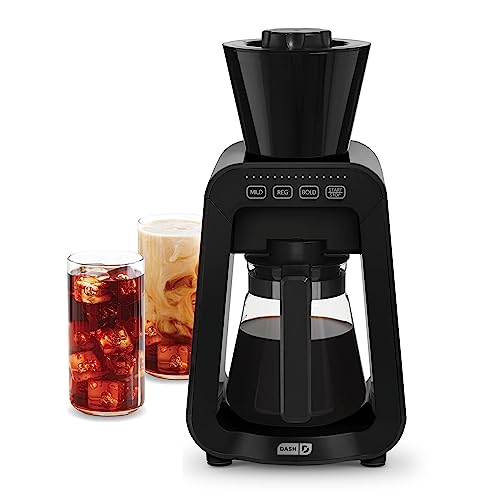
DASH Rapid Cold Brew Maker with VacuPress™ Technology with Glass Carafe for 40 Ounces of Instant Fresh Cold Brew Coffee or Iced Tea
INSTANT: Cold brew your ground coffee or favorite loose-leaf teas in under 9 minutes. No more waiting over…
As an affiliate, we earn on qualifying purchases.
As an affiliate, we earn on qualifying purchases.
Conclusion
Now that you’ve seen how siphon brewing works, you can appreciate the science behind every flavorful cup. With patience and attention, you’ll master this elegant method and enjoy its rich, aromatic results. Remember, “patience is a virtue,” especially when perfecting your coffee craft. Embrace the process, and each brew will remind you that good things come to those who wait. Cheers to your journey into the art of vacuum coffee!
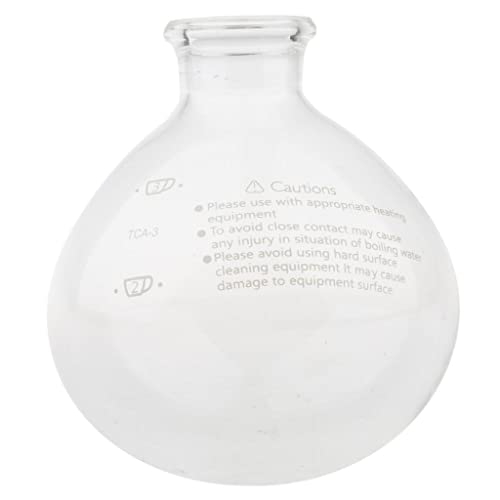
Woideklu Coffee Siphon Vacuum Brewer for Coffee And Tea – Clear, 3 Cup, 5Cup under
Easy to use, easy to clean, .
As an affiliate, we earn on qualifying purchases.
As an affiliate, we earn on qualifying purchases.
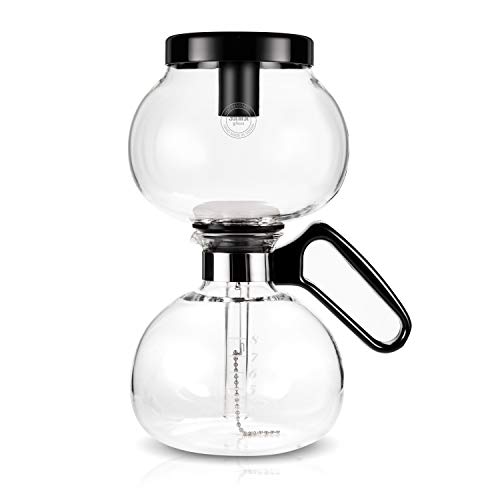
Yama Glass 8-Cup Stovetop Siphon Coffee Maker, 24 Oz Vacuum Brew, Heat-Resistant Borosilicate Glass
Experience the art of brewing with the Yama Glass 8 Cup Stovetop Siphon Coffee Maker, a conversation-starter piece…
As an affiliate, we earn on qualifying purchases.
As an affiliate, we earn on qualifying purchases.