
To understand a green coffee offer sheet, look for details like bean size, defect count, and grade classification. Larger beans and uniform color usually indicate better quality, while fewer defects reflect higher standards. Pay attention to the grading standards listed, which help you compare lots quickly. Recognizing these traits allows you to assess the coffee’s potential and suitability for your needs. Keep going to discover how to spot the best options effortlessly.
Key Takeaways
- Check the grade designation and defect count to assess overall quality and cleanliness.
- Review bean size specifications to determine uniformity and suitability for your roasting profile.
- Examine color and appearance notes to evaluate ripeness and potential flavor outcomes.
- Look for moisture content and aroma descriptions, which influence roasting behavior.
- Compare offered lots based on origin, grading standards, and defect levels for informed purchasing decisions.

Have you ever looked at a green coffee offer sheet and felt overwhelmed by all the numbers and terms? It’s common to feel that way at first, especially since these sheets contain a lot of technical details. To make sense of it, you need to understand a few key aspects, starting with green bean characteristics. These characteristics describe the physical qualities of the beans, such as size, shape, color, and defect levels. For example, larger beans often indicate higher quality, while uniform color suggests consistent ripeness. You’ll also see descriptions of the beans’ aroma and moisture content, which can influence the roasting process and final flavor. Recognizing these traits helps you gauge the quality and potential of the coffee.
Next, pay close attention to grading standards, which are vital for evaluating the overall quality of the green coffee. Grading standards are established criteria that categorize coffee based on factors like defect count, size, and cleanliness. These standards determine whether the beans are classified as premium, standard, or lower grade. Higher grades usually mean fewer defects, better uniformity, and a more desirable flavor profile. When reading the offer sheet, look for the grade designation—such as Grade 1 or Grade A—and compare it to the grading standards provided by the supplier or industry organizations. This helps you quickly identify the quality level and make informed purchasing decisions.
In addition, grading standards often specify the maximum allowable defects and the size range of the beans, typically measured in screen size or millimeters. For example, a sheet might list a “screen size” of 15-18, indicating the beans fall within a certain size range. Smaller or larger beans might be less desirable, depending on your roasting and brewing preferences. The defect count, often expressed as a number or percentage, indicates how many damaged or unripe beans are present. Lower defect counts generally translate into higher-quality beans, which is vital if you’re aiming for a consistent, premium roasted coffee. Understanding grading standards and how they impact quality helps you make better selections and ensures you’re getting the best value for your investment.
Understanding these key points—the green bean characteristics and grading standards—gives you a clearer picture of what you’re purchasing. It lets you compare different offers more effectively and select the best beans for your needs. Once you grasp the terminology and criteria used in the offer sheet, you’ll find it easier to evaluate the quality, price, and suitability of each lot. That way, you’re not just overwhelmed by numbers; you’re making confident, informed decisions based on solid knowledge.

JARAYUNE Premium Coffee Green Bean & Coffee Bean Grading Sieve Set #13-21 – 9 Sizes Stainless Steel Screen for Roasters, Labs & Home Coffee Enthusiasts (8 inches in Diameter)
Covers All Standard Coffee Screen Sizes (#13-21) – Sort coffee beans by size for even roasting and consistent…
As an affiliate, we earn on qualifying purchases.
As an affiliate, we earn on qualifying purchases.
Frequently Asked Questions
What Are the Key Indicators of Coffee Quality on an Offer Sheet?
You look for key indicators like caffeine content, which affects flavor strength, and bean size, revealing quality and processing methods. Higher caffeine levels often mean a more robust coffee, while uniform bean size suggests consistent quality and better roasting results. Also, check for defect levels and origin details, as these influence overall quality. Spotting these indicators helps you assess the coffee’s potential and select the best options for your needs.
How Do Grading Terms Impact Pricing and Purchase Decisions?
Grading terms considerably impact pricing and your purchase decisions because they follow grading standards that determine coffee quality. Higher grades usually command premium prices, reflecting better quality and fewer defects. When you see specific grading terms, you can assess the coffee’s value and decide if it aligns with your quality expectations and budget. Understanding these grading standards helps you make informed choices, ensuring you get the best quality for your investment.
What Are Common Export and Import Restrictions for Green Coffee?
You need to be aware of tariff regulations and import quotas that affect green coffee exports and imports. Countries often impose tariffs to protect local producers, which increases costs, while import quotas limit the volume you can bring in. These restrictions can delay shipments, raise prices, or restrict access to certain coffee origins. Staying updated on these regulations helps you navigate international trade smoothly and avoid costly legal issues.
How Can I Identify Potential Risks or Discrepancies in an Offer Sheet?
You can spot potential risks or discrepancies by carefully examining the offer sheet for pricing anomalies, such as unexpectedly low or high prices, which might suggest issues. Also, assess the supplier’s credibility through their reputation, certifications, and history of reliable transactions. If the details seem inconsistent or suspicious, it’s wise to verify the information before proceeding. Staying vigilant helps you avoid scams and ensures you make informed purchasing decisions.
What Are the Typical Payment and Delivery Terms Included?
You’ll typically see payment terms like letter of credit, advance payment, or open account, along with delivery conditions such as FOB or CIF. These terms specify when and how you pay, and who handles shipping and insurance. Clear understanding of these aspects helps you manage risks, negotiate better, and guarantee smooth transactions. Always verify that payment and delivery terms align with your needs and the offer sheet’s details.
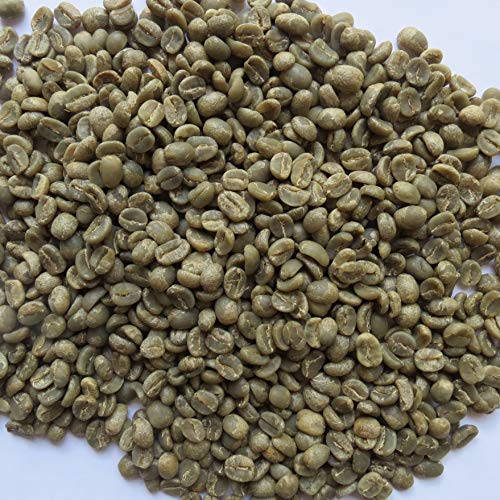
Unroasted Green Coffee Beans for Small Batch Roasting – Specialty Grade Nicaraguan Arabica Coffee with Smooth, Sweet & Well-Balanced Flavor – 10 Lb (Caturra Varietal)
Small Batch Roasting: Specialty grade Nicaraguan Arabica green coffee beans for beginner and experienced roasters looking for smooth…
As an affiliate, we earn on qualifying purchases.
As an affiliate, we earn on qualifying purchases.
Conclusion
Now that you know how to read a green coffee offer sheet, you’re better equipped to make informed decisions. Remember, understanding these details can help you spot the best deals and avoid surprises down the line. Keep your eyes peeled and don’t be afraid to ask questions—after all, knowledge is power. With this skill, you’ll be steering offers like a pro, turning over a new leaf and brewing success in your coffee ventures.

Beyond Wealth: The Road Map to a Rich Life
As an affiliate, we earn on qualifying purchases.
As an affiliate, we earn on qualifying purchases.

Premium Green Coffee Bean Extract Powder – Gluten-Free Green Coffee Bean Extract Supplements with 10 Natural Health Blends, Instant Coffee, 180g (18 Sachets)
Premium Green Coffee Bean Powder: Experience the goodness of FARWIX Green Coffee Bean Powder, a high-quality supplement crafted…
As an affiliate, we earn on qualifying purchases.
As an affiliate, we earn on qualifying purchases.