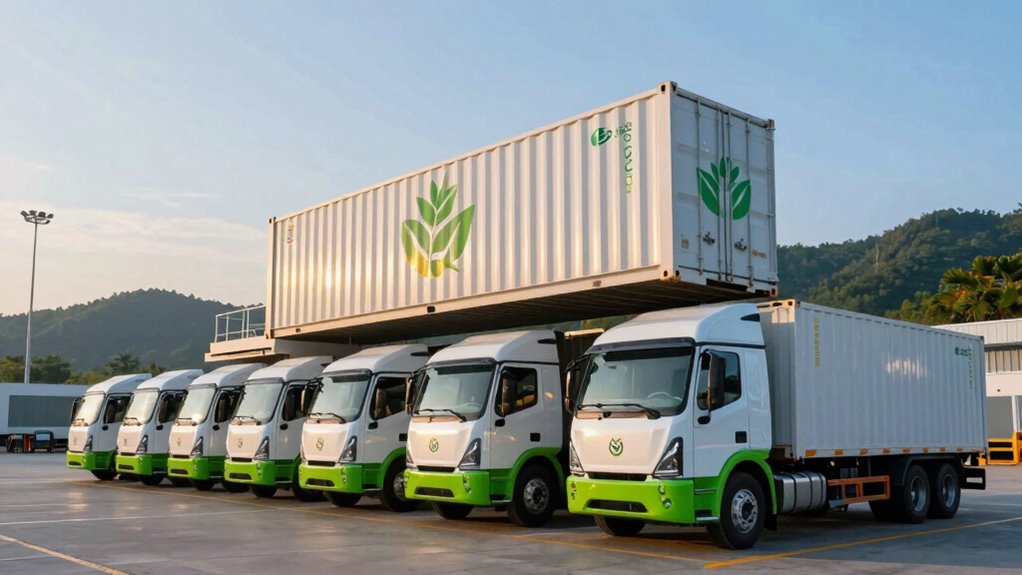

Low-emission coffee shipping can definitely scale as companies adopt sustainable practices like biodegradable packaging and renewable energy. By investing in clean energy infrastructure and innovative transportation methods, you can markedly reduce carbon footprints. Consumer demand for eco-friendly options pushes the industry toward greener solutions, making large-scale change possible. If you want to explore how these efforts are evolving and becoming more effective, there’s plenty more to discover about building a sustainable coffee supply chain.

Get coffee and tea gear delivered free with Prime
- Fast, free delivery on millions of items
- Prime Video, Amazon Music and more included
- Member-only deals all year
Key Takeaways
- Adoption of renewable energy in transportation reduces emissions, but large-scale implementation requires significant infrastructure investment.
- Sustainable packaging materials lower environmental impact, supporting scalable eco-friendly shipping practices.
- Innovations in logistics, such as electric or hybrid vehicles, can enhance scalability of low-emission shipping.
- Consumer demand for eco-conscious products drives industry adoption and accelerates scalable low-emission shipping solutions.
- Policy incentives and industry collaboration are vital to overcoming barriers and enabling widespread adoption.
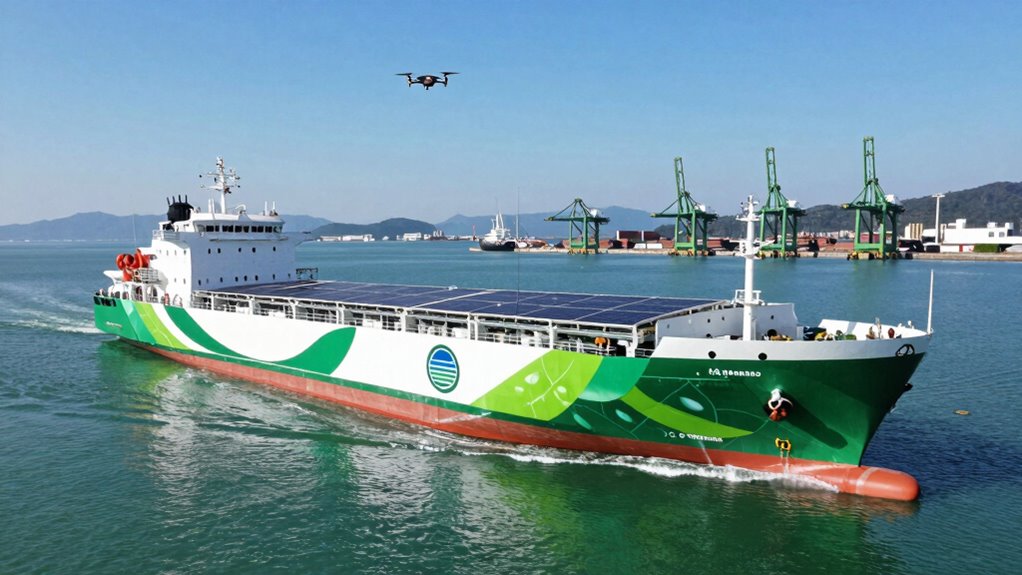
Have you ever wondered how your morning coffee reaches your cup while minimizing environmental impact? The journey from farm to table involves more than just harvesting and brewing—it’s about how the coffee is shipped and the choices companies make to reduce emissions. Low-emission coffee shipping has gained momentum as consumers like you demand more sustainable options. The key lies in adopting sustainable packaging that reduces waste and uses eco-friendly materials, alongside leveraging renewable energy sources to power transportation and logistics.
Discover how sustainable packaging and renewable energy are transforming coffee shipping for a greener future.
Sustainable packaging plays a crucial role in lowering the carbon footprint of coffee shipping. Instead of traditional plastic or excessive cardboard, companies are turning to biodegradable, recyclable, or compostable materials. These options not only lessen landfill waste but also cut down on the energy needed to produce and dispose of packaging. When you see coffee brands emphasizing sustainable packaging, it’s a signal they’re committed to reducing their environmental impact from the very first step of the supply chain. This shift supports a circular economy, where materials are reused or recycled, minimizing resource depletion. Additionally, advancements in renewable energy adoption are helping to make shipping more sustainable at scale. Incorporating carbon footprint reduction strategies is essential for companies aiming to meet sustainability goals and appeal to eco-conscious consumers. Moreover, investments in clean energy infrastructure** are crucial for creating a truly sustainable shipping system. Exploring innovative transportation methods** can further enhance efforts to minimize emissions across the entire supply chain.
As an affiliate, we earn on qualifying purchases.
Frequently Asked Questions
What Are the Main Barriers to Scaling Low-Emission Coffee Shipping?
You face barriers like supply chain transparency issues, making it hard to verify low-emission practices across all stages. Regulatory challenges also hinder scaling, as differing rules and compliance costs increase complexity. Additionally, limited infrastructure and higher costs for green shipping options can slow adoption. Overcoming these obstacles requires better tracking systems, harmonized regulations, and investments in sustainable logistics to make low-emission coffee shipping more feasible at scale.
How Does Low-Emission Shipping Compare Cost-Wise to Traditional Methods?
You’ll find that low-emission shipping generally costs more upfront than traditional methods, mainly due to newer technology and eco-friendly fuels. However, when you consider the long-term benefits like emission reduction and potential regulatory incentives, the cost comparison becomes more balanced. While it may be pricier initially, investing in low-emission shipping can enhance your brand’s sustainability image and help you meet environmental goals, making it a smarter choice over time.
Are There Certifications for Low-Emission Coffee Shipping Practices?
Imagine a lighthouse guiding your ship through fog—that’s what certifications do for low-emission coffee shipping practices. Yes, there are certification standards like the Carbon Trust Standard or Fair Trade, which promote supply chain transparency and eco-friendly methods. These symbols act as beacons, assuring you that your coffee travels responsibly. By adhering to these certifications, suppliers demonstrate their commitment to sustainable practices, making it easier for you to choose environmentally conscious options.
What Technologies Are Most Promising for Reducing Shipping Emissions?
You can substantially reduce shipping emissions by adopting promising technologies like renewable fuels and electric vessels. Renewable fuels, such as biofuels or green hydrogen, cut reliance on fossil fuels and lower greenhouse gases. Electric vessels, powered by batteries or hybrid systems, eliminate emissions during operation. Both technologies are advancing rapidly, making them practical options for sustainable coffee shipping, helping you decrease your environmental footprint while maintaining efficient logistics.
How Do Consumers Influence the Adoption of Low-Emission Shipping?
Imagine pouring your morning coffee, knowing your choice influences change. Your consumer awareness pushes brands to prioritize sustainable shipping, and retail partnerships become more committed to eco-friendly practices. When you demand low-emission options, companies respond by adopting greener logistics. Your purchasing decisions directly shape the market, encouraging larger industry shifts. In this way, your everyday choices become powerful tools to scale low-emission shipping solutions across the coffee industry.
Conclusion
As you consider the future of coffee shipping, remember that scaling low-emission methods is like trying to turn a small boat into a giant vessel—challenging but not impossible. With innovation and collective effort, you can help steer the industry toward greener waters. Every small step you take toward supporting sustainable practices adds up, creating ripples that could transform the entire supply chain. Together, you hold the power to make coffee’s journey cleaner and brighter.
Fall Picks
fall essentials
As an affiliate, we earn on qualifying purchases.