
TL;DR

Get coffee and tea gear delivered free with Prime
- Fast, free delivery on millions of items
- Prime Video, Amazon Music and more included
- Member-only deals all year
A Good Housekeeping report identifies five items to move or reposition when condensation pools on windowsills: picture frames, plants, books, general clutter and thick curtains. The advice focuses on reducing moisture exposure and allowing air to circulate; the report does not provide measured tests or a guarantee that these steps will prevent mold.
Good Housekeeping has advised homeowners to move five categories of items away from windowsills where condensation pools: picture frames, plants, books, general clutter and thick curtains. The household advice report says moisture can damage belongings and that obstructed airflow may leave damp areas around a window, creating conditions in which mold and mildew can grow.
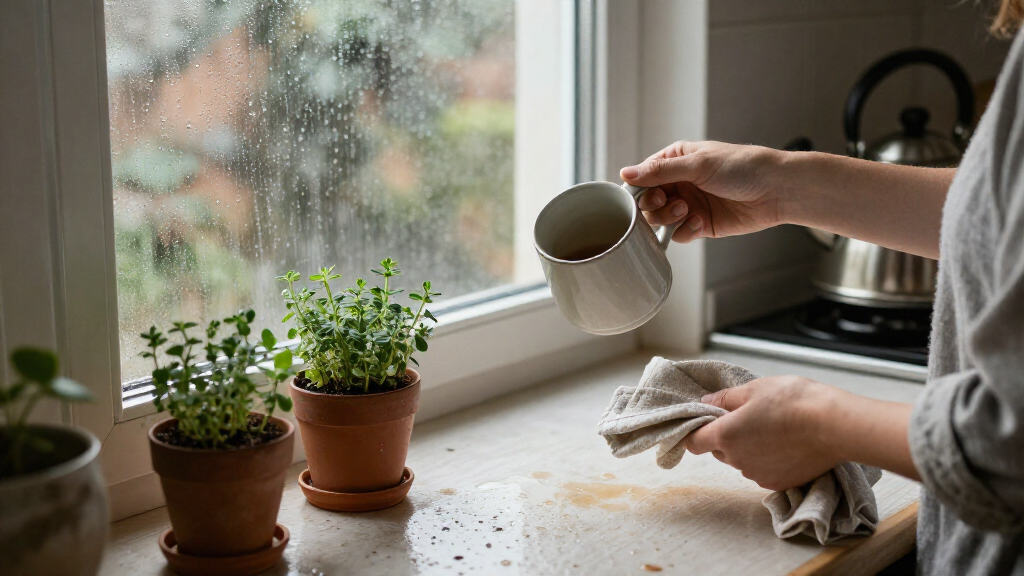
The report explains that condensation forms when warm, humid indoor air meets cold window glass. Moisture may collect on the pane, run down and pool on the sill. The report recommends removing items that could be damaged by contact with water or that could restrict airflow around the window.
Photographs and books are among the vulnerable belongings. The report says moisture can enter gaps in picture frames and distort photographs over time, while water beneath frames may contribute to mold growth. Dampness can make book pages wavy; the report also warns that mold spots and a musty smell may follow. It recommends storing books somewhere dry, cool and out of direct sunlight.
Plants, clutter and curtains also need attention, though the suggested response differs. The report says wet soil may dry more slowly in a persistently damp spot, potentially raising the risk of root rot, while leaves touching cold glass may be harmed. Clutter can impede airflow and keep moisture from drying. Rather than removing curtains, the report advises opening them during the day and not tucking them onto the sill at night; it also mentions opening trickle vents where windows have them.
Protecting Belongings and Window Areas
The advice matters because water on a sill can affect both possessions and the surrounding window area. Paper, photographs and some plant tissue are vulnerable to repeated dampness, while items packed against a window can limit the movement of air. The report links these conditions with an increased opportunity for mold or mildew to develop, including on frames and nearby secluded walls.
Moving objects is a practical way to reduce their direct exposure, but it does not identify or resolve every cause of condensation. The recommendations are household guidance from Good Housekeeping, not a cited controlled study, and outcomes can depend on a home’s temperature, ventilation and moisture levels. Persistent or extensive dampness may need further investigation beyond clearing the sill.
Products Worth Considering

Ninja Foodi 10-Quart DualZone 6-in-1 Air Fryer, Black, DZ302

Ninja Professional XL Food Processor, 12-Cup, 1200 Peak Watts, NF701
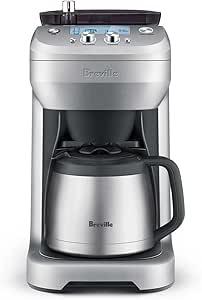
Breville Grind Control Coffee Maker with Thermal Carafe, Brushed Stainless Steel
As an affiliate, we earn on qualifying purchases.
How Cold Glass Collects Moisture
The supplied report describes condensation as a result of humid air cooling at the window, reaching what it calls the dew point and depositing water on the glass. It notes that the problem may become more visible as outdoor temperatures fall and indoor heating is used, because the window surface can remain cold while the room air is warmer.
Its five recommendations are targeted to the sill and the space immediately around it: take away items that can absorb or trap moisture, leave room for air to circulate, and keep curtains from pressing against the glass. For plants, the article suggests moving them away from the sill but keeping them nearby if they need sunlight.
““hot, humid air meets the cold window glass””
— Good Housekeeping report
Limits of the Household Advice
The supplied material does not give a publication date, cite independent testing, or quantify how often condensation causes damage. It also does not specify how much ventilation is needed or how quickly dampness might lead to mold. The risks described are presented as household guidance, not as a prediction that every affected windowsill will develop mold or that every plant or photograph will be damaged.
It remains unclear from the report whether persistent condensation in a particular home reflects ventilation, insulation, indoor moisture or another issue. The article offers steps to reduce exposure and improve airflow, but does not assess individual homes or provide a diagnosis of damp conditions.
Steps for Damp Windowsills
Homeowners following the report can start by clearing books, frames and other clutter from a sill where water gathers, then check whether plant leaves touch the glass. During daylight, curtains can be drawn back; at night, they should not be bunched onto the sill. Trickle vents can be opened if the window has them, according to the report.
After making those changes, residents can watch whether water continues to pool and whether nearby surfaces or belongings remain damp. The source provides no further scheduled update or specific follow-up test. If moisture persists or visible mold appears, the report’s recommendations alone do not establish the cause or the appropriate remedy.
Key Questions
Which five things does the report say to move or reposition?
It names picture frames, plants, books, general clutter and thick curtains. For curtains, it recommends changing how they are positioned rather than taking them down.
Why move books and photographs from a damp sill?
The report says moisture can distort framed photographs and make book pages wavy. It also warns that dampness may lead to mold spots or a musty smell on books.
Should plants be removed from the window area entirely?
Not necessarily. The report suggests moving plants away from the sill while keeping them nearby for sunlight, and avoiding leaves or flowers resting against cold glass.
What does the report recommend doing with curtains?
It advises opening curtains during the day to allow ventilation and avoiding tucking them onto the sill at night. It also says trickle vents may be opened when windows have them.
Does clearing the sill guarantee that mold will not develop?
No. The report presents these steps as ways to reduce moisture exposure and improve airflow, not as a guarantee. It does not diagnose the cause of persistent condensation or quantify the risk of mold.
Source: rss