
TL;DR

Get coffee and tea gear delivered free with Prime
- Fast, free delivery on millions of items
- Prime Video, Amazon Music and more included
- Member-only deals all year
A Tufts-led study found that U.S. adults’ average daily calories from coffee drinks rose from 43 in 2003 to 60 in 2018, while coffee consumption stayed near 13 ounces a day. Nondairy creamer became the largest measured source of calories among coffee additions, but the study did not assess health outcomes and its data end in 2018.
U.S. adults took in nearly 40% more calories from coffee drinks in 2018 than in 2003, even though their average coffee consumption stayed at roughly 13 ounces a day, according to a Tufts University-led study. The analysis found daily calories from coffee rose from 43 to 60, with nondairy creamer becoming the largest measured calorie source among coffee additions.
Published Oct. 19 in the Journal of the Academy of Nutrition and Dietetics, the study analyzed dietary reports from 30,459 adults who took part in the federally administered National Health and Nutrition Examination Survey. Researchers used eight rounds of survey data collected from 2003 through 2018 to estimate coffee consumption and the ingredients people added.
Nondairy creamer accounted for an average of about 19 calories per day in 2018, compared with about 8 calories in 2003. Sugar and syrups contributed 16 daily calories in 2018, while dairy milk contributed 11. The researchers treated nondairy creamers and nondairy milks as separate categories.
Dairy milk remained the most commonly added ingredient by weight in 2018, at an average of 21.4 grams per person daily. Nondairy creamer averaged 8.1 grams and sugar 4.4 grams. Nondairy creamer consumption rose from 3.37 grams per day in 2003; nondairy milk increased from 0.27 to 2.45 grams. The study found no significant change in consumption of dairy milk, sugar or sugar substitutes over the period.
The results show that the calorie content of coffee drinks can change even when the amount of coffee consumed remains steady. In this analysis, the increase was associated with what people added to coffee, particularly the growth in nondairy creamer calories. That distinction matters for readers tracking their diets: a cup of coffee is not nutritionally the same as a coffee drink with added ingredients, and the study’s averages describe a population rather than an individual’s habits.
The researchers did not measure health outcomes, so the findings do not establish that the rise in coffee calories caused any change in health. They also do not show that all nondairy creamers have the same ingredients or nutritional profile. Lead author Yongyi Pan said some nondairy creamers can be high in saturated fat, a possible factor in their contribution to calories, but the reported trend itself is about consumption and calorie estimates.
Products Worth Considering

KitchenAid Artisan 5-Quart Tilt-Head Stand Mixer, Almond Cream

De'Longhi TrueBrew Drip Coffee Maker with Built-In Grinder, Thermal Carafe, and Iced Coffee Settings
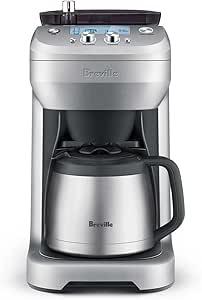
Breville Grind Control Coffee Maker with Thermal Carafe, Brushed Stainless Steel
As an affiliate, we earn on qualifying purchases.
How Researchers Tracked Coffee Additions
Participants reported what they ate and drank in two 24-hour dietary recalls. Those reports allowed the research team to estimate daily coffee intake and the quantities and calories of ingredients added. Because the information was self-reported and captures particular days, it may not fully represent a person’s usual intake.
The study found coffee consumption was higher among men, non-Hispanic White adults and people with higher incomes. Adults who reported less sleep or longer work hours also tended to drink more coffee. These are patterns observed in the survey analysis, not evidence that those characteristics caused higher consumption.
The article reporting the study also cited separate research on coffee and health, including studies examining sweeteners, cardiovascular risk and mortality. Those studies address different questions and do not change the scope of this analysis, which documented dietary patterns rather than health effects. The authors of the new study were Yongyi Pan, Bingjie Zhou and Fang Fang Zhang; they reported no conflicts of interest.
“Coffee consumption has been associated with several health benefits. However, coffee is often accompanied by the addition of sugar and cream, which can contribute to an increased consumption of calories from added sugar and saturated fat.”
— Fang Fang Zhang, senior author and Tufts University researcher
The Trend After 2018 Is Unknown
The survey data end in 2018, so the study cannot show whether average calories from coffee drinks continued to rise, leveled off or declined afterward. The reported figures are estimates based on self-reported dietary recalls, which can be affected by incomplete reporting and day-to-day variation. The analysis also does not identify the nutritional profile of every creamer product or determine whether ingredient changes affected participants’ health.
Separate 2025 retail figures cited in the report showed plant-based coffee creamers up 2% in both dollar and unit sales, while conventional creamers recorded 4% dollar growth and 2% unit growth. Those market figures describe sales, not how much consumers added to coffee or how many calories they consumed, so they cannot answer whether the dietary trend continued.
Newer Dietary Data Will Be Needed
The next evidence needed to establish whether the trend persisted is comparable, nationally representative dietary data collected after 2018. Such data could show whether coffee intake and additions have shifted and allow researchers to update estimates of calories from coffee drinks. No follow-up findings or publication date are given in the report.
For now, the study’s conclusion is limited to the period it measured: average daily calories from coffee rose between 2003 and 2018, while coffee volume remained roughly stable. Readers should not treat the figures as a current estimate or as proof of a health effect.
Key Questions
How much did calories from coffee drinks increase?
The study estimated that average daily calories from coffee rose from 43 in 2003 to 60 in 2018, an increase of nearly 40% over that period.
What contributed the most calories in 2018?
Nondairy creamer contributed the most among the listed coffee additions, at about 19 calories per person per day. Sugar and syrups contributed 16, and dairy milk 11.
Did people drink more coffee in 2018?
Average coffee consumption remained relatively stable at approximately 13 ounces per person daily across the period studied. The rise in calories was associated with additions to coffee, rather than a substantial change in coffee volume.
Does the study show that coffee creamers harm health?
No. The study measured reported consumption and estimated calories; it did not examine health outcomes or establish that creamer caused harm.
Are these figures current?
No. The dietary survey analysis covers 2003 through 2018. It does not establish whether the pattern continued after 2018.
Source: rss