TL;DR

Get coffee and tea gear delivered free with Prime
- Fast, free delivery on millions of items
- Prime Video, Amazon Music and more included
- Member-only deals all year
The FDA says environmental tests found Listeria monocytogenes on several surfaces at La Cabana Food Distributing Inc., a salsa maker in Oceanside, California. A July 29, 2026, warning letter also cited concerns about the company’s food safety plan, supplier controls and produce handling; the available report does not establish that products were contaminated or that illnesses occurred.
The U.S. Food and Drug Administration says environmental testing found Listeria monocytogenes on several surfaces at La Cabana Food Distributing Inc., a salsa manufacturer in Oceanside, California. In a July 29, 2026, warning letter, the agency also cited concerns about the company’s food safety plan, supplier controls and produce handling, and said its ready-to-eat cooked salsa and uncooked sauce products were adulterated because they may have been prepared, packed or held under insanitary conditions.
The FDA’s letter followed an inspection of the company’s facility from Nov. 12 through Dec. 5, 2025. The agency’s findings, as described in the report, include Listeria detected on production-area surfaces through environmental tests. The available source does not identify the specific surfaces or give test results beyond saying that several surfaces tested positive.
The agency also identified deficiencies involving the company’s food safety plan, controls over suppliers and handling of produce. The letter classified the company’s ready-to-eat cooked salsa and uncooked sauces as adulterated because of the possibility that they had been made, packed or held in insanitary conditions. That is the FDA’s regulatory determination; it does not, by itself, establish that finished products tested positive for Listeria.
The report does not say that the FDA announced a recall, that consumers became ill, or that the agency found Listeria in packaged salsa. Those details should not be inferred from environmental findings. The warning letter gives the company 15 days to respond, according to Food Safety News’ description of FDA warning-letter procedures.
Why Surface Findings Matter
Listeria monocytogenes can cause listeriosis, a serious foodborne illness. The finding matters because surfaces in a production facility can provide evidence about sanitation and the risk of contamination during food processing. FDA concerns about a food safety plan, supplier controls and produce handling add to the picture of the agency’s inspection, though the published account does not spell out every cited deficiency.
The products named are ready-to-eat cooked salsa and uncooked sauces. A regulatory finding that food may have been prepared or held under insanitary conditions can prompt a company to address practices at the facility and to respond to the agency. It is not the same as a confirmed finding that a particular batch contained the pathogen or caused illness. Readers should distinguish the documented environmental result from conclusions the source does not support.
The report does not identify affected product names, lot codes, distribution areas or sales dates, and it does not announce a consumer recall. Without those details, it is not possible from this account to determine whether any product remains on sale or whether consumers need to take a specific action. The warning letter is a regulatory notice about reported conditions, not an outbreak notice.
Products Worth Considering

Ninja Luxe Café Premier 3-in-1 Espresso Machine, Stainless Steel, ES601

Weber Spirit E-325 3-Burner Gas Grill with Sear Zone
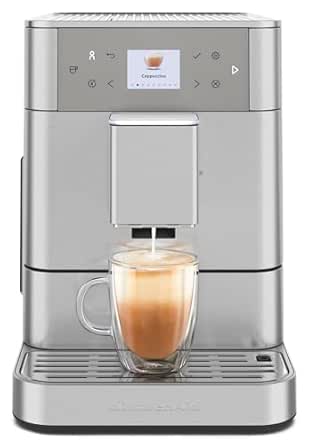
KitchenAid KF6 Fully Automatic Espresso Machine, Stainless Steel
As an affiliate, we earn on qualifying purchases.
Inspection and Warning Letter Timeline
FDA inspections of food facilities can lead to warning letters when the agency identifies issues it considers significant. The account notes that warning letters may be posted publicly weeks or months after they are sent, and that companies generally have 15 days to respond. It also says letters may follow extended opportunities to correct problems, although it does not say how long La Cabana had to address any concerns before this letter.
In this case, the inspection took place in late 2025, and the warning letter was dated July 29, 2026. Food Safety News reported the development on Nov. 9, 2026. The time between inspection and letter does not, on its own, show when the environmental samples were collected, what corrective actions were taken, or whether conditions changed before the letter was issued.
The FDA’s conclusion applies to the products and conditions described in its letter. The available source provides a summary rather than the full inspection record, and it says that portions of warning letters are often redacted. The source does not provide a response from La Cabana or details of any changes made at the facility.
“The company’s ready-to-eat cooked salsa and uncooked sauce products were adulterated because they may have been prepared, packed or held under insanitary conditions.”
— U.S. Food and Drug Administration, as summarized in the warning letter report
Product Exposure Details Remain Unknown
The available report does not say which specific surfaces tested positive, whether the bacteria were found in finished products, or whether the FDA collected product samples. It also does not provide the full warning letter’s detailed observations, any company response, or the status of corrective work.
No illnesses, outbreak link, recall, product names, lot codes or distribution details are reported in the source. That means the information supplied does not establish consumer exposure or indicate which, if any, products may be affected. The FDA’s adulteration determination is based on the possibility of insanitary preparation, packing or holding conditions, rather than a reported confirmation of contamination in a specific product.
Company Response and FDA Follow-Up
La Cabana’s response to the warning letter is the next stated step. The report says businesses have 15 days to respond, but it does not indicate whether the company has replied, what corrective actions it may have proposed, or whether the FDA has accepted any response. The source also does not identify a deadline for further agency action.
Further information could clarify the specific sanitation and supplier-control findings, whether the company changed its practices, and whether the FDA conducted follow-up work. Until such details are reported, the confirmed account remains limited to the agency’s environmental Listeria findings and its stated concerns about the facility’s controls. Any later recall or illness investigation would need separate confirmation.
Key Questions
Where did the FDA find Listeria?
The report says environmental tests found Listeria monocytogenes on several surfaces at La Cabana Food Distributing’s production facility in Oceanside, California. It does not name the surfaces.
Did the FDA say the salsa tested positive?
The available report describes positive results on facility surfaces, not a positive test in finished salsa or sauce. It does not say whether finished products were tested.
Was there a recall or reported illness?
The source does not report a recall, an outbreak or any illnesses connected to the company. It also does not provide product or distribution details.
What products did the FDA identify?
The agency’s finding covered the company’s ready-to-eat cooked salsa and uncooked sauce products, which it said may have been prepared, packed or held under insanitary conditions.
What happens after a warning letter?
Food Safety News says businesses have 15 days to respond to FDA warning letters. The report does not say whether La Cabana responded or what the agency may do next.
Source: foodsafetynews.com