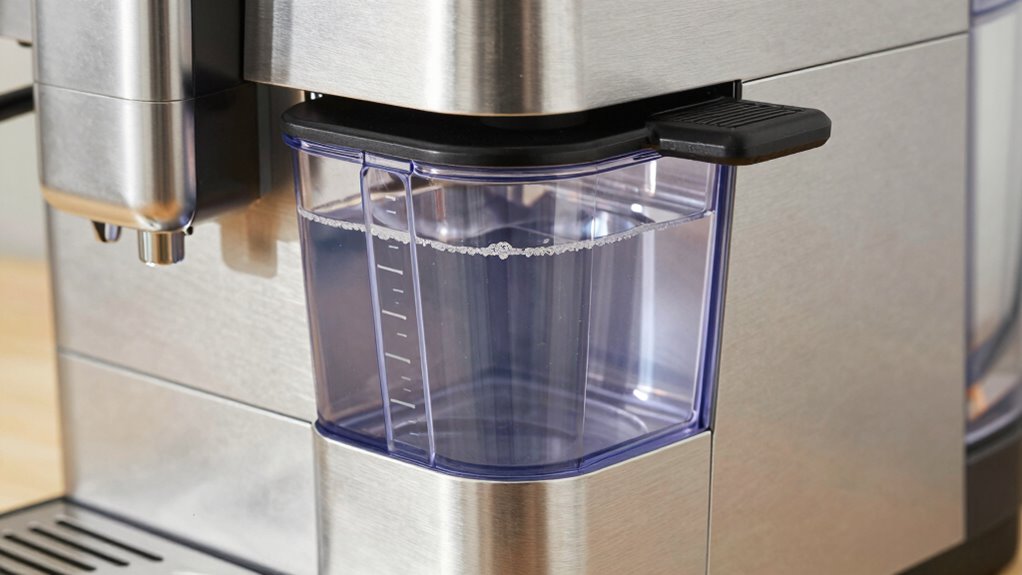
Removable water reservoirs are designed to make refilling and cleaning easier, offering real convenience. However, if you forget to clean them regularly, they can become a breeding ground for mold, bacteria, and mineral buildup, turning them into cleaning traps. Proper maintenance, like rinsing with warm water and occasional vinegar solutions, is key to keeping your reservoir fresh. Continue exploring to discover effective tips for maintaining your reservoir and avoiding common pitfalls.
Key Takeaways
- Removable reservoirs simplify cleaning, inspection, and refilling, reducing maintenance effort and promoting better water hygiene.
- Neglecting regular cleaning can lead to mold, bacteria, and mineral buildup, turning the reservoir into a contamination risk.
- Proper maintenance, including rinsing and drying, ensures the reservoir remains hygienic and extends the device lifespan.
- Using filters or bottled water can improve water quality, but routine cleaning is essential regardless of water source.
- Overall, removable reservoirs are a valuable convenience feature when maintained properly, preventing them from becoming cleaning traps.
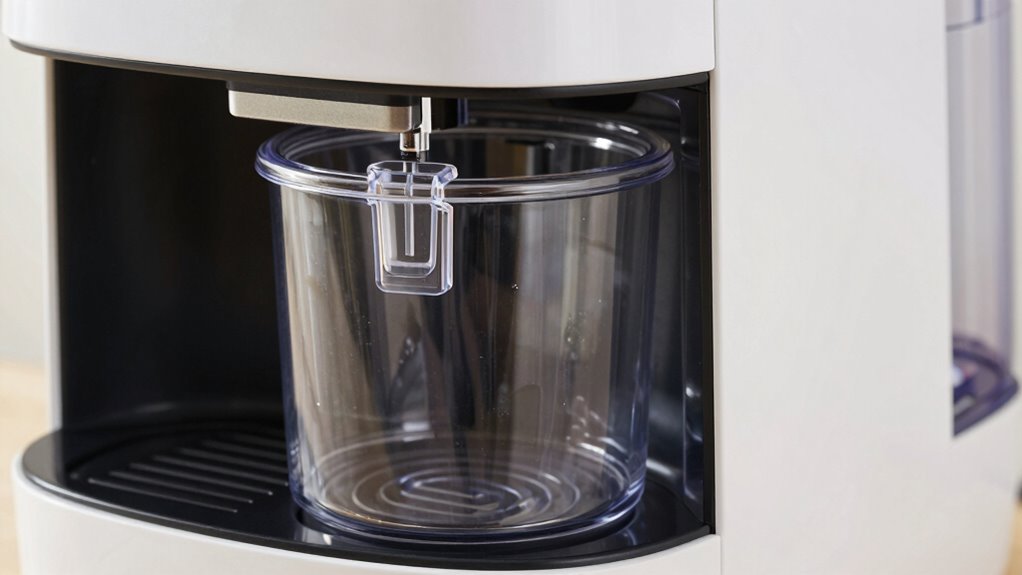
Have you ever struggled with cleaning or refilling your water reservoir? If so, you’re not alone. Many people appreciate the convenience of removable water reservoirs, but they often overlook the importance of maintaining water quality. When you’re dealing with a detachable container, it’s tempting to think that once you’ve refilled it, your job is done. However, neglecting a proper maintenance routine can lead to stagnant water, mold, or bacteria buildup, which directly impacts the quality of the water you consume. Regular cleaning isn’t just about keeping things tidy; it’s about ensuring the water remains safe and fresh. When you remove the reservoir, take the opportunity to inspect it thoroughly. Look for any signs of residue or mold, especially around seals or hard-to-reach corners. Rinsing it with warm water and mild soap is usually sufficient, but sometimes, a vinegar solution can help eliminate mineral deposits or odors. After cleaning, make sure to dry the reservoir completely before refilling. This simple step prevents mold growth and keeps your water tasting clean. Establishing a routine is key. Depending on how often you use your device, aim to clean the reservoir at least once a week. If you notice any unusual odors or cloudiness in the water, increase the frequency. Maintaining a disciplined routine reduces the risk of bacterial contamination and ensures the water you drink remains pure. It’s also wise to check the water quality periodically. If your water source has a high mineral content or your area’s water quality fluctuates, consider using filtered or bottled water to minimize mineral buildup and improve taste. When refilling, always use clean, cold water to prevent sediment accumulation. Keep an eye on the seals and gaskets too, as these parts are prone to harboring debris and mold if neglected. Proper maintenance of your removable reservoir isn’t just about hygiene; it’s about safeguarding your health and prolonging the lifespan of your appliance. Regular inspection and proper cleaning techniques can significantly extend the longevity of your device and ensure optimal performance. Many devices now come with guidelines for cleaning and maintenance, so reviewing the manufacturer’s instructions can help you develop a tailored routine. Remember, a well-maintained reservoir guarantees better water quality, enhances the performance of your device, and saves you money in the long run by preventing costly repairs or replacements. So, don’t dismiss the importance of regular cleaning. It’s a small effort that makes a big difference in ensuring every sip you take is fresh, safe, and satisfying. In the end, a clean, well-maintained removable water reservoir becomes a trusted part of your daily routine, giving you peace of mind with every use.
Frequently Asked Questions
How Often Should I Clean My Removable Water Reservoir?
You should clean your removable water reservoir at least once a week to guarantee proper reservoir maintenance and prevent mold or bacteria buildup. If you use your appliance daily or notice any odors or residue, increase cleaning frequency. Regularly rinsing and disinfecting the reservoir keeps your device functioning efficiently and ensures safe, clean water. Don’t forget to follow your manufacturer’s cleaning instructions for best results.
Are Removable Reservoirs Prone to Mold Growth?
Did you know that 60% of mold-related issues in water reservoirs come from infrequent cleaning? Yes, removable reservoirs can be prone to mold growth if not properly maintained. To prevent this, focus on mold prevention by regularly cleaning your reservoir and drying it thoroughly after each use. Good reservoir maintenance helps keep mold at bay, ensuring safe, hygienic water and extending the lifespan of your appliance.
Can I Use Tap Water in the Reservoir?
Yes, you can use tap water in the reservoir, but consider tap water safety and the reservoir’s lifespan. Using filtered or distilled water can reduce mineral buildup and mold growth, helping maintain cleanliness and extend the reservoir’s life. Regular cleaning is essential regardless of water type. If you choose tap water, ensure your device’s manufacturer approves it to avoid damage and guarantee peak performance.
What Materials Are Common in Reservoir Construction?
You’ll find reservoirs made from materials like plastic, glass, or metal, chosen for their durability and resistance to wear. Plastic is common due to its lightweight and affordability, while glass offers chemical resistance and transparency for easy monitoring. Metal options, like stainless steel, provide excellent durability and hygiene. The reservoir design focuses on ensuring a secure fit and easy removal, making maintenance simple while maintaining material integrity over time.
Is There a Risk of Leaks When Removing the Reservoir?
Removing your water reservoir isn’t a gamble, but it can lead to leaks if you’re not careful. To keep things safe, always guarantee proper fit and avoid forcing it, as improper handling can compromise leak prevention and reservoir safety. Think of it like opening a treasure chest—you want to do it gently. Proper maintenance and careful removal help prevent leaks, keeping your device running smoothly and safely.
Conclusion
Removable water reservoirs are like double-edged swords; they offer convenience but can also hide hidden grime if you’re not careful. While they make refilling and cleaning easier, neglecting proper maintenance turns them into a breeding ground for bacteria. To keep your appliance humming smoothly, treat the reservoir like a trusted friend—regularly cleaned and cared for. After all, a well-maintained reservoir is the secret ingredient to enjoying a fresh, worry-free experience every time you use it.