When choosing coffee beans, consider their origin to find flavors you love, like citrus from Ethiopian or chocolate from Colombian beans. Next, look at the processing method; washed beans give a bright taste, while natural ones are fruitier. Also, check the roast date—fresh beans taste best and should be enjoyed within a few weeks. If you want to learn how these factors come together to improve your brew, there’s more to explore below.
Key Takeaways
- Determine your flavor preference: single origin for distinctive regional notes or blends for balanced complexity.
- Consider the processing method: washed for bright, clean flavors; natural for fruity, robust profiles.
- Check the roast date: choose recently roasted beans for maximum freshness and flavor.
- Decide between organic or conventional beans based on environmental values and flavor nuances.
- Match the origin and processing to your brewing method and taste preferences for the best experience.
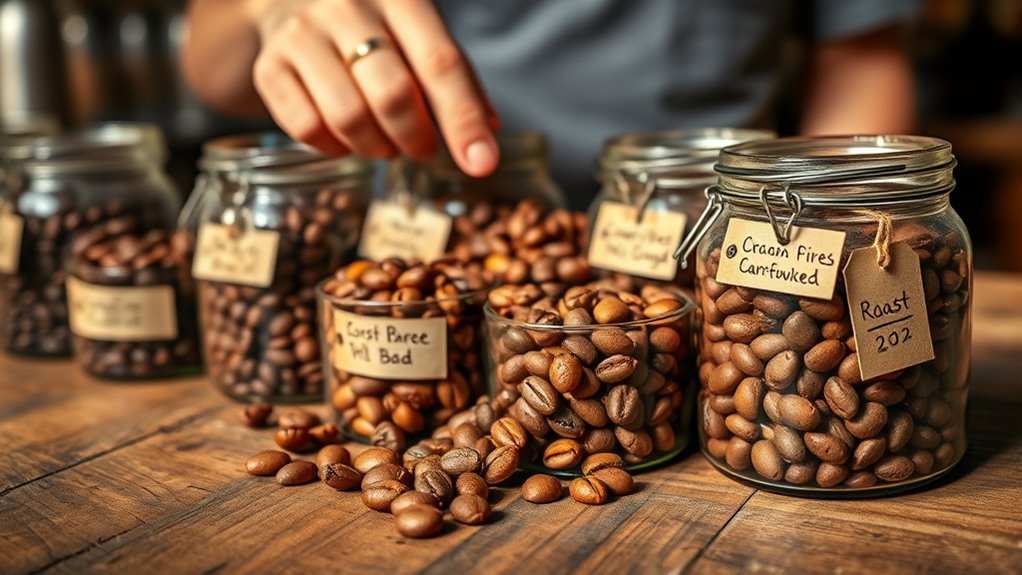
Have you ever wondered how the right coffee beans can transform your morning brew? The choices you make about origin, processing, and freshness all impact flavor and quality. When it comes to origin, you’ll often hear about single origin versus blended beans. Single origin means all the beans come from one specific region, farm, or country. This allows you to experience the unique characteristics of that area’s climate and soil—think bright citrus notes from Ethiopian beans or rich chocolate tones from Colombian coffee. If you’re looking for a distinctive, terroir-driven flavor profile, single origin is the way to go. However, if you prefer a balanced, complex cup with layered flavors, blended beans might suit you better. Blends combine beans from different regions or farms, creating a harmonious profile that can enhance consistency and depth. Both options have their merits, so your choice depends on whether you chase individual regional flavors or enjoy a more rounded cup.
Choosing single origin beans highlights unique regional flavors, while blends offer a balanced, layered coffee experience.
Another important factor is whether to choose organic or conventional beans. Organic coffee is grown without synthetic pesticides, herbicides, or fertilizers, which appeals to those concerned about environmental sustainability and health. Organic farming practices often promote biodiversity and soil health, resulting in beans that are not only eco-friendly but also often richer in flavor because the plants grow in healthier soil. Conventional beans, on the other hand, are produced using synthetic chemicals that can sometimes influence the flavor subtly but may raise concerns regarding environmental impact and residue. If you prioritize eco-conscious choices and cleaner ingredients, organic beans are worth seeking out. Keep in mind that organic coffee can sometimes be more expensive due to stricter farming standards, but many coffee enthusiasts believe the flavor and ethical benefits justify the cost. Additionally, understanding processing methods can help you select beans that match your flavor preferences, as washed and natural processes produce distinct taste profiles.
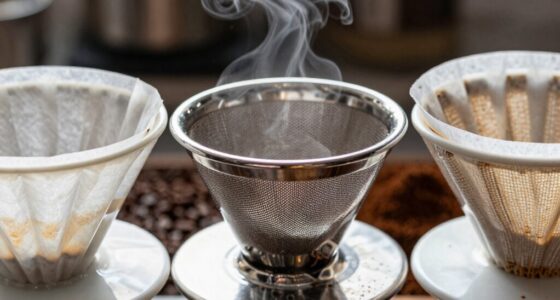
In addition to origin and farming methods, consider the process the beans undergo after harvest. Are they washed or natural processed? Washed beans tend to have a cleaner, brighter taste, while natural or dry-processed beans can develop a fruitier, more robust flavor. Coupled with the roast date, which should be as fresh as possible, these details ensure your coffee retains its ideal aroma and taste. Always check the roast date before purchasing, as coffee is best enjoyed within a few weeks of roasting. Freshness is key to capturing the nuanced flavors you desire from your beans.
Ultimately, choosing the right coffee beans involves understanding these factors and aligning them with your taste preferences and values. Whether you opt for single origin or blended, organic or conventional, each choice shapes your coffee experience. By paying attention to origin, processing, and freshness, you’ll be better equipped to select beans that turn your morning routine into a delightful ritual.
fresh single origin coffee beans
As an affiliate, we earn on qualifying purchases.
As an affiliate, we earn on qualifying purchases.
Frequently Asked Questions
How Do Different Bean Varieties Affect Flavor Profiles?
You’ll notice that different bean varieties considerably impact flavor profile variations. Bean varietal differences, such as Arabica versus Robusta, bring unique tastes—Arabica offers smooth, complex flavors, while Robusta has a bold, earthy punch. Variations within each varietal also influence acidity, sweetness, and body. By selecting specific bean types, you can tailor your coffee’s flavor profile to match your preferences, enhancing your brewing experience.
What Certifications Indicate High-Quality or Ethical Sourcing?
You can identify high-quality, ethically sourced beans by looking for certifications like Fair Trade and Organic Certification. Fair Trade ensures farmers receive fair wages and work under good conditions, while Organic Certification guarantees the beans are grown without harmful chemicals. These labels show you’re supporting sustainable practices and ethical sourcing, helping you make responsible choices that benefit both farmers and the environment. Always verify these certifications on packaging before purchasing.
How Does Storage Impact Bean Freshness?
Proper bean storage plays a vital role in freshness preservation. You should store beans in an airtight container, kept away from light, heat, and moisture. Avoid the fridge or freezer, as temperature fluctuations can cause condensation and spoilage. Instead, keep your beans in a cool, dark place like a pantry. This way, you maintain their flavor and aroma longer, ensuring each brew remains fresh and delicious.
Can Bean Origin Influence Brewing Methods?
Think of bean origin as the soul of your coffee, shaping how you craft your brew. If you choose single origin beans, you’ll want to highlight their unique flavors with specific brewing methods like pour-over or AeroPress. Blending techniques allow you to harmonize different origins, creating a balanced cup. So, yes, the origin influences your brewing choices, guiding you to enhance the beans’ natural character and craft a perfect coffee experience.
What Are the Signs of a Fresh Roast?
You can tell a roast is fresh by checking its freshness indicators, like a vibrant aroma and a glossy surface. The roast date significance is key—aim for beans roasted within the last two to four weeks. If the beans smell dull or lack aroma, or if they feel stale, they’re likely past their prime. Freshly roasted beans guarantee the best flavor, so always look for recent roast dates when selecting your coffee.
organic coffee beans 1 lb
As an affiliate, we earn on qualifying purchases.
As an affiliate, we earn on qualifying purchases.
Conclusion
Now that you know what to look for, your coffee journey becomes an adventure. Imagine yourself in a sun-drenched coffee farm, feeling the rich aroma of freshly harvested beans. Every choice—from origin to roast date—paints a vivid picture of flavor and experience. So, pick beans that excite your senses, and transform each brew into a warm, inviting moment. With these tips, your perfect cup is just a sip away, ready to awaken your day.
washed vs natural processed coffee beans
As an affiliate, we earn on qualifying purchases.
As an affiliate, we earn on qualifying purchases.
coffee beans roast date freshness
As an affiliate, we earn on qualifying purchases.
As an affiliate, we earn on qualifying purchases.