
Use pre-infusion when you’re working with fresh, coarser, or uneven grounds, or if you notice channeling during extraction, to guarantee even saturation. Activate flow control to adjust water speed—slowing it enhances extraction and flavor complexity, while speeding it up can produce a lighter shot. Adjust these techniques based on your coffee’s behavior and desired results to get a balanced, flavorful espresso. Continued practice will help you master the nuances of this process.
Key Takeaways
- Use pre-infusion with fresh, coarser, or uneven grounds to ensure even saturation and prevent channeling.
- Employ flow control adjustments to enhance flavor complexity by slowing the flow for more extraction.
- Increase flow speed when aiming for a lighter shot or when experimenting with roast levels or bean origins.
- Apply pre-infusion to address flow issues caused by uneven tamping or inconsistent coffee distribution.
- Use flow control to stabilize pressure and temperature, optimizing extraction during manual espresso brewing.
Pre-infusion and flow control are essential steps in ensuring ideal espresso extraction. When you’re aiming for a balanced, flavorful shot, paying attention to these processes makes a significant difference. Pre-infusion involves gently introducing water to the coffee grounds at a low pressure before ramping up to full extraction. This step allows the coffee to evenly saturate, reducing the risk of channeling and uneven extraction. Flow control, on the other hand, lets you manage how quickly water passes through the coffee bed, influencing extraction timing and quality.
One key factor during pre-infusion is water temperature. Maintaining an ideal temperature—typically between 195°F and 205°F—ensures that the coffee grounds absorb water uniformly. If the water’s too hot, it can cause over-extraction, pulling bitter flavors. Too cool, and the extraction may be underdeveloped, resulting in weak or sour tastes. Proper water temperature also helps stabilize pressure during pre-infusion, which is crucial for consistent results. Pressure stability is essential because fluctuations can lead to uneven extraction, causing some parts of the coffee bed to over- or under-extract. When pressure remains steady, the water flows smoothly, allowing for a more uniform extraction and better flavor development.
You should use pre-infusion when working with fresh, coarser, or unevenly tamped coffee grounds. It’s especially useful if you notice that your espresso shot tends to channel or if the flow seems inconsistent. Pre-infusion helps to gently expand the coffee puck, making it easier for water to penetrate evenly. This process is also beneficial when brewing with a new batch of beans, as it allows the grounds to fully hydrate before the main extraction begins. Additionally, understanding the brewing process can help you better control these variables for optimal results.
Flow control becomes essential when you want to fine-tune your shot’s characteristics. Slowing down the flow rate can enhance extraction, bringing out more nuanced flavors. Conversely, increasing flow speed can produce a brighter shot with a lighter body. You should adjust flow control when you’re experimenting with different roast levels or coffee origins, as each may require a different flow profile to optimize flavor. It’s also valuable in situations where your machine allows for manual control—giving you the ability to respond to the coffee’s behavior during extraction, ensuring pressure remains stable and the water temperature stays consistent.

Gevi Commercial Espresso and Coffee Makers, Professional 20 Bar Espresso Maker with Milk Frother, Stainless Steel Expresso Coffee Machines for Home, Compact Cappuccino Machine, Great Gift
𝐎𝐩𝐭𝐢𝐦𝐚𝐥 𝐅𝐥𝐚𝐯𝐨𝐫 𝐄𝐱𝐭𝐫𝐚𝐜𝐭𝐢𝐨𝐧 – Equipped with a 20-bar pump, NTC temperature control, pre-infusion feature, and a pressure gauge,…
As an affiliate, we earn on qualifying purchases.
As an affiliate, we earn on qualifying purchases.
Frequently Asked Questions
How Do I Choose Between Pre-Infusion and Flow Control Methods?
You should choose pre-infusion when your brew ratio is delicate, or your grind size is fine, to gently saturate the coffee and prevent channeling. Opt for flow control when you want precise brewing, especially with variable grind sizes, to adjust water flow and guarantee even extraction. Consider your desired flavor profile; pre-infusion enhances sweetness, while flow control offers more control over extraction, helping you tailor your coffee to your taste.
Can Pre-Infusion Be Used With All Types of Espresso Machines?
Pre-infusion acts like a gentle handshake, but not all machines can reciprocate. You need to check your espresso machine’s compatibility, as some models lack the control features necessary for pre-infusion. If compatible, it enhances your user experience by providing a richer, more balanced shot. However, if your machine isn’t designed for pre-infusion, attempting it might cause issues or yield subpar results. Always verify your machine’s capabilities first.
What Are the Signs That Flow Control Adjustment Is Needed?
You should adjust flow control when you notice pressure fluctuations or inconsistent extraction. These signs indicate that your espresso shot isn’t developing evenly, affecting flavor. If the pressure rises and falls during brewing or the extraction time varies considerably, it’s time to tweak the flow control. By doing so, you can stabilize pressure, guarantee a more balanced extraction, and improve the overall quality of your espresso.
How Does Ambient Temperature Affect Pre-Infusion Effectiveness?
When it comes to ambient temperature influence, it’s a case of “hot and cold” affecting pre-infusion effectiveness. Cooler temperatures slow down water flow, making pre-infusion less efficient, while warmer temps enhance it. Ambient variability can cause inconsistency in extraction, so you should adjust pre-infusion times based on room temperature. Keeping the environment stable helps maintain preferable flow control, ensuring your brew remains balanced regardless of outside conditions.
Are There Safety Concerns When Using Flow Control Devices?
Yes, there are safety concerns when using flow control devices. You should guarantee proper device calibration to prevent over- or under-infusion, which could harm patients. Additionally, operator training is essential to handle these devices correctly, avoiding mistakes that could lead to complications. Regular maintenance and adherence to safety protocols help minimize risks, ensuring safe and effective infusion therapy.
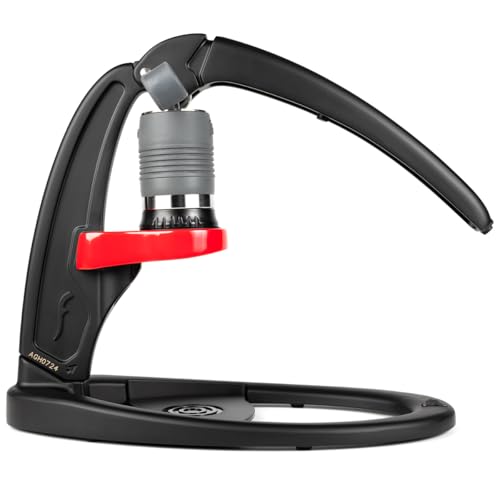
Flair UPDATED Espresso Maker – Classic: All manual lever espresso maker for the home – Pressure gauge and two portafilters included
HANDCRAFT SHOTS OF ESPRESSO – With the Flair Espresso Maker, you have a complete manual espresso machine that…
As an affiliate, we earn on qualifying purchases.
As an affiliate, we earn on qualifying purchases.
Conclusion
Remember, choosing between pre-infusion and flow control isn’t just a technical decision—it’s about shaping every cup’s story. Like a painter selecting their brush, your choice influences the final masterpiece. When you understand their roles and timing, you craft a perfect extraction that highlights flavors and nuances. So, trust your instincts and tools, for in coffee, as in life, the right touch transforms the ordinary into the extraordinary.

Diletta Alto Espresso Machine | Dual Boiler | PID | Shot Timer | Adjustable OPV | (Black)
Dual Boiler Espresso – Dedicated brew and steam boilers promise better brew temperature for your espresso.
As an affiliate, we earn on qualifying purchases.
As an affiliate, we earn on qualifying purchases.

Flospresso Espresso Machine & Coffee Brewing Equipment Cleaning Powder 10 lbs (10 lbs)
ESPRESSO MACHINE BACKWASH: Specially designed for daily backwashing of commercial espresso machines and home espresso machines. Also used…
As an affiliate, we earn on qualifying purchases.
As an affiliate, we earn on qualifying purchases.