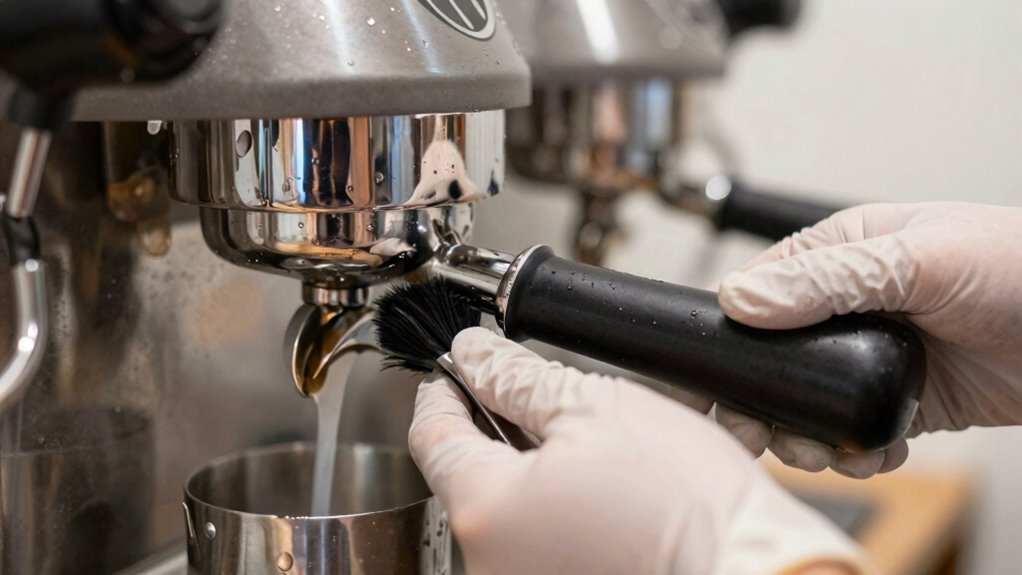

Regularly cleaning your milk system is essential to prevent sour smells and maintain product quality. You should schedule thorough cleaning after each batch or daily to remove milk residue, which can harbor bacteria and mold. Using hot water and approved cleaners ensures residues are broken down and flushed out. A consistent cleaning routine protects your equipment, prevents contamination, and keeps your dairy products fresh. Keep exploring to discover more tips for keeping your system spotless and odor-free.
Key Takeaways
- Regular cleaning schedules prevent milk residue buildup that fosters bacterial growth and sour odors.
- Using proper cleaning agents and hot water effectively removes fats and proteins causing sour smells.
- Thorough rinsing ensures no residues remain, reducing bacterial activity and odor development.
- Maintaining detailed cleaning logs improves accountability and ensures consistent sanitation routines.
- Routine staff training on cleaning procedures helps sustain effective practices and odor prevention.

Have you ever wondered why cleaning your milk system is so crucial for maintaining product quality and ensuring customer safety? The answer lies in the buildup of milk residue that accumulates over time. Milk residue isn’t just a sticky mess; it’s a breeding ground for bacteria, mold, and other contaminants that can compromise the freshness and safety of your dairy products. If left unchecked, these residues not only affect the taste and texture of your milk but also increase the risk of sour smells and spoilage. That’s why establishing and sticking to strict cleaning schedules is essential. Regular cleaning isn’t just about aesthetics or compliance—it’s about safeguarding your product and your reputation.
When you neglect cleaning your milk system, residual milk proteins and fats cling to surfaces, creating a perfect environment for bacterial growth. Over time, these residues can harden and become difficult to remove, making your cleaning routines more challenging and less effective. Consistent cleaning schedules help prevent this buildup from becoming a problem. By adhering to routine cleaning times—whether after each batch or daily—you ensure that milk residue is regularly removed before it has a chance to cause issues. This proactive approach minimizes the risk of sour smells developing, which are often the first sign of bacterial activity and spoilage.
Implementing effective cleaning schedules also means selecting the right cleaning agents and procedures for your specific system. Hot water, approved cleaning solutions, and proper rinsing are essential. It’s not enough to just run water through the system; you need to ensure that residues are thoroughly broken down and flushed out. Regular cleaning also extends the lifespan of your equipment, reducing maintenance costs and downtime. Remember, a clean system is a happy system—one that produces high-quality milk with consistent flavor and safety standards. Additionally, understanding the importance of color accuracy in your cleaning process can help you better evaluate and maintain your equipment’s performance over time.
Your routine should be meticulous, scheduled, and documented. Keeping a cleaning log helps ensure every step is followed correctly and on time. It also provides traceability in case of quality issues or inspections. Proper training for staff on the importance of these routines guarantees that cleaning becomes ingrained in your daily operations. With a disciplined approach to cleaning schedules, you prevent milk residue from settling in and causing sour smells or bacterial contamination. Ultimately, a clean milk system isn’t just about appearance; it’s about delivering safe, fresh, and top-quality dairy products every single time.
Frequently Asked Questions
How Often Should Milk Systems Be Cleaned for Optimal Hygiene?
You should clean your milk systems daily to prevent milk residue buildup and guarantee ideal hygiene. Following cleaning frequency guidelines helps keep the system free of bacteria and sour smells, maintaining product freshness. Regular cleaning also extends equipment lifespan and reduces maintenance costs. Don’t neglect this routine—set a schedule and stick to it, especially after each use or at least once every 24 hours, to keep your milk system safe and efficient.
What Cleaning Agents Are Safest for Milk System Components?
Cleaning milk systems is like caring for a delicate treasure; you want the safest approach. Use milk-safe cleaners that are gentle yet effective, ensuring no harmful residues linger. Look for corrosion-resistant agents that protect your equipment while breaking down milk fats and residues. These safe cleaners keep your system hygienic, preventing sour smells and ensuring your milk stays fresh. Always follow manufacturer instructions for ideal results.
Are There Specific Signs Indicating a Milk System Needs Cleaning?
You’ll notice signs like a sour smell, slimy buildup, or discoloration, which indicate your milk system needs cleaning. Milk residue left behind can promote bacterial growth, leading to sour odors and potential contamination. Regularly check for these signs and clean promptly to prevent buildup. Maintaining a consistent cleaning routine guarantees your system stays fresh, safe, and free of unwanted bacteria, keeping your dairy products tasting their best.
Can Improper Cleaning Cause Equipment Damage?
Improper cleaning can cause equipment damage, leading to corrosion and costly repairs. When you neglect proper cleaning frequency, residual milk and mineral deposits build up, accelerating corrosion and damaging sensitive components. This damage often appears as rust or leaks, which can halt operations. By maintaining a consistent cleaning routine, you protect your equipment from corrosion, ensuring longevity and peak performance, ultimately saving you time and money in the long run.
What Are the Environmental Impacts of Cleaning Milk Systems?
Cleaning milk systems can lead to environmental pollution if you use harsh chemicals or excessive water, which may contaminate nearby soil and water sources. Additionally, improper disposal of chemical waste contributes to pollution and harms ecosystems. To minimize your impact, use eco-friendly cleaning agents, optimize water use, and follow proper waste disposal protocols. This helps protect the environment while maintaining effective cleaning routines.
Conclusion
By taking a moment to gently care for your milk system, you’re quietly ensuring it stays fresh and inviting. A simple, consistent routine keeps those unwelcome hints at bay, allowing your dairy to shine without a fuss. When you embrace this subtle upkeep, you’re really nurturing a more harmonious, worry-free environment. In doing so, you protect your product’s purity and your peace of mind, making every sip just a little more satisfying.