Pre-infusion works by carefully controlling water temperature, ideally between 195°F and 205°F, and selecting the right grind size to promote gentler extraction. This process begins with soaking the grounds evenly, preventing harsh flavors and over-extraction, while ensuring a smoother, balanced brew. Proper engineering of temperature and grind size creates uniform water flow, which optimizes flavor extraction. Keep exploring, and you’ll discover how these details make a real difference in brewing quality.
Key Takeaways
- Proper pre-infusion uses hot water (195–205°F) to gently saturate grounds, preventing over-extraction and bitterness.
- Adjusting grind size during pre-infusion controls water flow, promoting even extraction and preventing clogs.
- Consistent water temperature and grind size optimize solute dissolution, leading to balanced, flavorful brews.
- The engineering of pre-infusion promotes uniform water penetration, reducing harsh flavors and enhancing clarity.
- Fine-tuning flow rate and temperature during pre-infusion ensures controlled extraction, improving overall beverage quality.

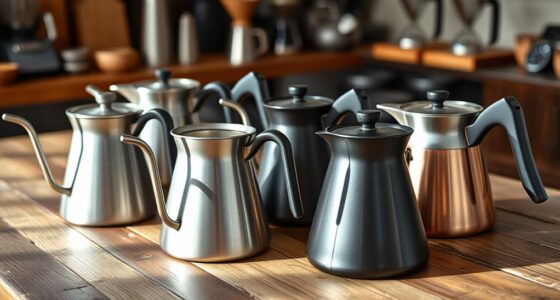
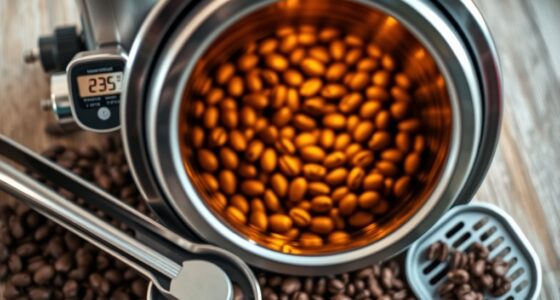
Have you ever wondered what happens before an infusion begins? It’s a pivotal moment that sets the stage for a perfect extraction, and understanding the details can make a significant difference in your brewing process. One of the key elements is the water temperature. Before you pour that water over your coffee or tea grounds, you want to guarantee it’s at the ideal temperature—usually between 195°F and 205°F for most brews. Too hot, and you risk over-extraction, leading to bitter flavors; too cold, and you’ll under-extract, resulting in a weak, sour taste. Maintaining the right water temperature is essential for a gentle, controlled extraction, especially during pre-infusion, where the goal is to evenly saturate the grounds without rushing into full extraction.
Proper pre-infusion starts with water at 195–205°F for balanced extraction.
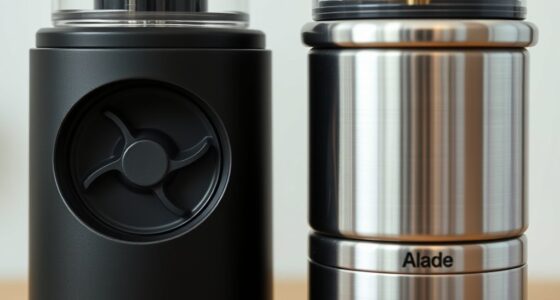
Another critical factor is grind size. The consistency of your grind directly influences how water interacts with your coffee or tea during pre-infusion. If your grind is too fine, the water will struggle to flow through, causing over-extraction and potential clogging. Conversely, too coarse a grind can result in under-extraction because water passes through too quickly, missing out on flavor compounds. When preparing for pre-infusion, adjusting your grind size to achieve a balanced flow is vital. Typically, a medium grind works well, allowing the water to penetrate evenly, gently breaking the surface tension, and priming the grounds for a more even extraction.
Pre-infusion isn’t just about pouring hot water; it’s about engineering the process to maximize flavor while minimizing harsh or uneven extraction. By controlling water temperature, you guarantee that the brewing environment is just right for extracting desirable compounds without overwhelming the palate. Simultaneously, fine-tuning the grind size means you’re setting the stage for water to flow uniformly through the grounds, promoting even saturation during the initial phase. This initial gentle soaking helps dissolve solubles gradually, reducing the risk of over-extraction later on. It’s a delicate balance—too aggressive, and you might extract undesirable bitterness; too gentle, and you won’t unlock enough flavor.
In essence, the engineering behind pre-infusion revolves around these details—water temperature and grind size. When you pay attention to them, you’re creating ideal conditions for a smoother, more flavorful extraction. Think of pre-infusion as the warm-up before a performance, preparing your coffee or tea for the main event. Mastering these elements lets you craft a brew with greater clarity and depth, turning a simple routine into an art form. So next time you prepare your favorite beverage, remember that a little technical finesse in water temperature, grind size, and consistent flow rate can make all the difference in the final taste.

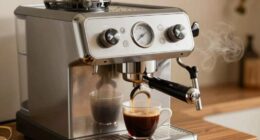
Gevi Commercial Espresso and Coffee Makers, Professional 20 Bar Espresso Maker with Milk Frother, Stainless Steel Expresso Coffee Machines for Home, Compact Cappuccino Machine, Great Gift
𝐎𝐩𝐭𝐢𝐦𝐚𝐥 𝐅𝐥𝐚𝐯𝐨𝐫 𝐄𝐱𝐭𝐫𝐚𝐜𝐭𝐢𝐨𝐧 – Equipped with a 20-bar pump, NTC temperature control, pre-infusion feature, and a pressure gauge,…
As an affiliate, we earn on qualifying purchases.
As an affiliate, we earn on qualifying purchases.
Frequently Asked Questions
How Does Pre-Infusion Influence Overall Extraction Time?
Pre-infusion can extend your overall brew time since it involves a gentle soak before full pressure is applied. This process allows for better flavor extraction and smoother results. With precise pressure control during pre-infusion, you can optimize the timing, ensuring the coffee grounds evenly saturate without rushing. While it might slightly lengthen your brew time, the improved flavor and extraction quality make it worthwhile for a more balanced cup.
Can Pre-Infusion Be Customized for Different Coffee Beans?
Did you know that customizing pre-infusion can markedly enhance flavor? Yes, you can tailor pre-infusion to different coffee beans by adjusting infusion parameters like duration and pressure. Bean characteristics such as density and roast level influence these settings, so experimenting helps reveal unique flavors. By fine-tuning pre-infusion, you guarantee each bean’s ideal extraction, resulting in a richer, more balanced cup tailored to your taste preferences.
What Equipment Modifications Are Needed for Effective Pre-Infusion?
To achieve effective pre-infusion, you need to modify your equipment with precise pressure regulation and flow control. Installing adjustable valves or modifying your espresso machine’s pressure system allows you to fine-tune the water pressure and flow rate. This guarantees gentle, controlled extraction, reducing channeling and enhancing flavor. By focusing on these adjustments, you can customize pre-infusion for different beans, optimizing extraction quality every time.
Does Pre-Infusion Impact the Flavor Profile Significantly?
Pre-infusion can markedly impact the flavor profile by enhancing flavor extraction and promoting brewing consistency. When you use pre-infusion, you allow water to evenly saturate the coffee grounds, leading to a richer, more balanced taste. This process reduces bitterness and sourness, resulting in a more refined flavor. You’ll notice a smoother, more aromatic cup, as pre-infusion helps reveal the coffee’s full potential and guarantees consistent results with each brew.
Are There Any Known Drawbacks to Using Pre-Infusion Techniques?
Using pre-infusion can introduce some drawbacks, like equipment compatibility issues and consistency challenges. You might find that your machine’s setup needs adjustments, or that maintaining uniform results becomes harder over time. While pre-infusion enhances flavor, it sometimes complicates your brewing process. You need to be mindful of these potential hurdles, ensuring your equipment supports pre-infusion and that you consistently manage the process for ideal results.

COSORI Electric Gooseneck Kettle with 5 Temperature Control Presets, Pour Over Kettle for Coffee & Tea, Hot Water Boiler, 100% Stainless Steel Inner Lid & Bottom, 1200W/0.8L
5 𝑶𝑵𝑬-𝑻𝑶𝑼𝑪𝑯 𝑷𝑹𝑬𝑺𝑬𝑻𝑺: Your Gooseneck Electric Kettle features 5 precise temperature presets. These accurate presets make brewing coffee…
As an affiliate, we earn on qualifying purchases.
As an affiliate, we earn on qualifying purchases.
Conclusion
By mastering pre-infusion, you can enhance your coffee’s flavor extraction and enjoy a richer, smoother cup. Did you know that studies show pre-infusion can improve extraction efficiency by up to 20%? This simple step not only elevates your brewing game but also minimizes over-extraction and bitterness. So next time, take a moment to pre-infuse—your taste buds will thank you for the gentler, more balanced sip.

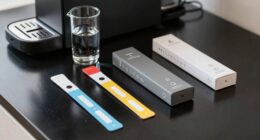
watchget Coffee Grind Measuring Ruler Coffee Grinding Range Reference Stainless Steel Coffee Measuring Tool Professional Coffee Bean Grind Measuring Accessories
Premium Stainless Steel Construction: Crafted from high-quality stainless steel, this coffee grind comparison card is sturdy, rust-resistant, and…
As an affiliate, we earn on qualifying purchases.
As an affiliate, we earn on qualifying purchases.
Gevi Commercial Espresso and Coffee Makers, Professional 20 Bar Espresso Maker with Milk Frother, Stainless Steel Expresso Coffee Machines for Home, Compact Cappuccino Machine, Great Gift
𝐎𝐩𝐭𝐢𝐦𝐚𝐥 𝐅𝐥𝐚𝐯𝐨𝐫 𝐄𝐱𝐭𝐫𝐚𝐜𝐭𝐢𝐨𝐧 – Equipped with a 20-bar pump, NTC temperature control, pre-infusion feature, and a pressure gauge,…
As an affiliate, we earn on qualifying purchases.
As an affiliate, we earn on qualifying purchases.