TL;DR
Home espresso has expanded from a niche interest into a broader consumer and design trend, according to La Marzocco Home executive Dave Bise and creator Nick Lowery. They point to pandemic-era coffee content, interest in hands-on daily rituals and improving access to prosumer equipment, though the source provides no sales figures to quantify the boom.
Home espresso has grown from a niche hobby into a wider consumer culture, according to Dave Bise, global director at La Marzocco Home, and coffee and interior design creator Nick Lowery. Their accounts point to more people investing in café-style equipment and treating coffee preparation as a daily ritual, although the material provides no sales data to measure the size of the increase.

Get coffee and tea gear delivered free with Prime
- Fast, free delivery on millions of items
- Prime Video, Amazon Music and more included
- Member-only deals all year
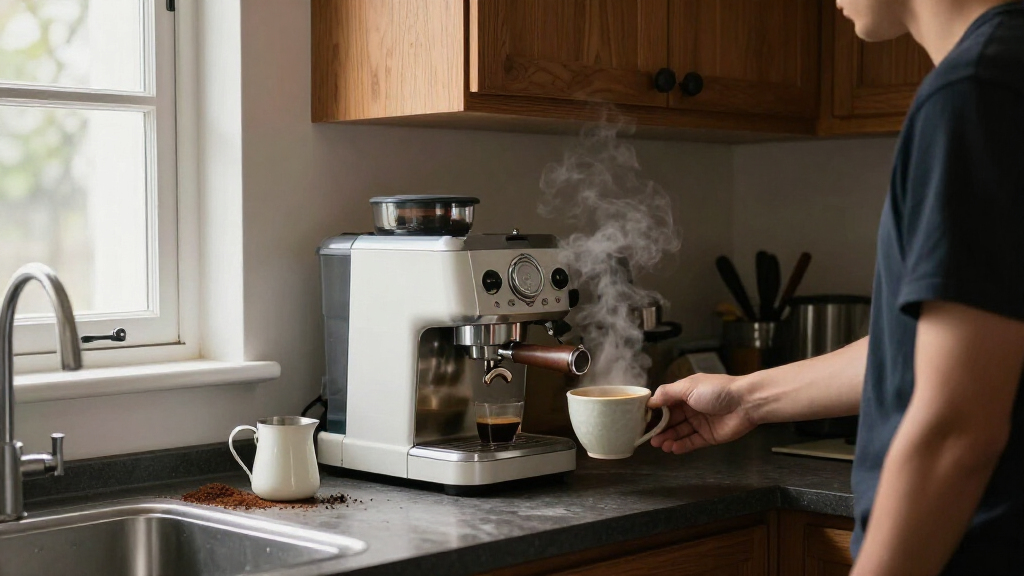
Bise says the change has been visible over the past few years, as interest in specialty coffee has spread beyond experienced enthusiasts. He describes buyers who first encountered specialty coffee in cafés or while traveling and now want to recreate that experience at home. The shift is also reflected in how people present their kitchens: coffee stations and equipment have become part of home design, rather than appliances kept out of sight.
Lowery says he began brewing at home during the pandemic, when changes to everyday routines made him look for alternatives to visiting New York coffee shops. He says home brewing lets him choose the producers and roasters he supports and adjust recipes to suit his taste. What started as part of his daily routine, he says, developed into a deeper hobby.
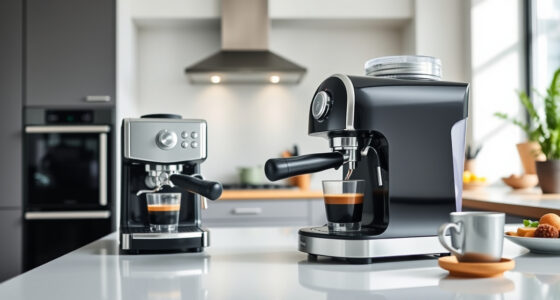
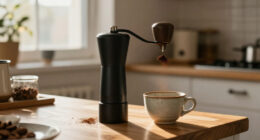
The equipment in these setups ranges from pour-over brewers to espresso machines, grinders, scales, milk jugs and knock boxes. Lowery says some features once associated with high-end machines, including PID temperature control and dual boilers, are now appearing at more accessible prices. He also says large-burr, single-dose grinders have fallen from prices in the thousands of dollars to the mid-hundreds in recent years. Those price comparisons are his account; the source does not provide a product-by-product survey.
How the amateur barista sparked a home coffee boom
Home espresso is moving beyond a niche hobby, shaped by online coffee content, hands-on routines and more accessible prosumer equipment. The source describes growing interest but provides no sales figures to measure the boom.
What is changing
Coffee preparation is becoming part of home life and kitchen design.
A daily craft
Brewing, steaming milk and dialing in a shot turn coffee into a hands-on ritual.
Coffee bars at home
Machines and accessories are becoming visible parts of kitchen style.
More capable gear
Lowery says advanced machine features and large-burr grinders are available at more accessible prices.
What is driving interest
Lowery points to three forces behind the shift.
Online coffee content brought brewing knowledge to a wider audience.
Making coffee offers a tactile daily practice amid digital routines.
Regular café purchases can make home equipment seem worthwhile, though savings depend on each setup and usage.
Why it matters
- Compare machine, grinder and maintenance costs with your coffee habits.
- Choose equipment for the drinks and routines you actually want.
- Design-conscious home buyers could broaden the market beyond cafés and professionals.
- Future sales data is needed to show which products are growing.
Why Buyers Are Building Coffee Bars
The trend matters to shoppers because home coffee is increasingly being sold as an experience, not only as a way to make a drink. A dedicated station, a capable grinder and a machine that suits the kitchen can turn a routine into a hands-on daily practice. That combination places coffee equipment at the intersection of appliance buying, interior design and specialty food culture.
There is also a cost calculation behind some purchases. Lowery says café-quality drinks priced at £6–7 each, including tax and tip, can make home equipment seem worthwhile to regular café customers. But that is an example, not a demonstrated saving for every buyer: the source does not compare machine prices, beans, maintenance, electricity or how often an owner makes coffee at home. The upfront cost of prosumer equipment can still be substantial.
For manufacturers, the reported change in who is buying could broaden the market beyond cafés and professional users. Bise says La Marzocco Home demand has grown and that its customers increasingly include design-conscious consumers. No figures are supplied, so the scale of that demand or its effect on the wider coffee-machine market cannot be independently assessed from this material.
Products Worth Considering

KitchenAid Artisan 5-Quart Tilt-Head Stand Mixer, Almond Cream

Le Creuset Heritage Rectangular Stoneware Baking Dish Set, 3-Piece, Marseille

Cuisinart 8-in-1 Air Fryer Toaster Oven with Grill, 1800W, Stainless Steel
As an affiliate, we earn on qualifying purchases.
From Pandemic Brewing to Prosumer Gear
Lowery identifies three drivers of the change. First, he says the pandemic brought coffee-making knowledge once shared in niche forums to a much wider audience through online content. Second, he sees growing interest in craft and ritual amid increasingly digital routines. Making espresso requires attention to grinding, dosing, extraction and milk steaming, giving home brewers a tactile activity to repeat each morning.
Bise describes that process as a form of small-scale craftsmanship: dialing in a shot, steaming milk and pouring latte art all require focus. Social media has also helped make the results visible, through short coffee-making videos and images of carefully arranged home stations. The source frames these as cultural signs of growth, rather than as measured evidence of sales.
The third factor, according to Lowery, is the cost of café drinks compared with making them at home. At the same time, he says more capable grinders and machine features have become available below the prices once associated with professional equipment. Together, online instruction and equipment access have lowered some barriers for hobbyists, while leaving the cost of a full setup dependent on the products a buyer chooses.
“Over the past few years, we’ve watched home espresso go from a niche group of passionate coffee drinkers to a much larger culture of its own.”
— Dave Bise, global director at La Marzocco Home
The Size of the Boom Is Unmeasured
The source offers interviews and observations, but no sales totals, market share, time-series data or survey results. It does not establish how many households have bought espresso machines, whether sales growth is continuing, or how home-machine demand compares with café equipment sales. Bise’s statement that demand for La Marzocco Home has grown significantly is not accompanied by a figure or a defined period.
Price and affordability also vary by market and setup. Lowery’s references to grinder prices and café drinks are not presented with dates, locations beyond the stated café example, or a list of products. It remains unclear how many buyers recoup their equipment costs, how often machines are used, and whether interest extends beyond a highly engaged group of coffee enthusiasts and content followers.
Watch for Sales and Buyer Data
The source does not identify a scheduled product launch, earnings report or next industry milestone. The clearest way to test the trend’s scale will be future sales data from manufacturers and retailers, alongside information on prices and which categories are growing. For now, the evidence in the material is limited to accounts from one equipment-company executive and one creator.
Consumers considering a setup can compare the cost and maintenance of a machine, grinder and accessories with their current coffee habits, rather than assuming home brewing will automatically be cheaper. The reported shift toward design-conscious home buyers suggests manufacturers may keep developing machines that combine café-style performance with domestic styling, but the source does not confirm specific upcoming models or plans.
Key Questions
What is driving interest in home espresso?
According to creator Nick Lowery, the main factors include pandemic-era coffee content, interest in hands-on daily rituals and the cost of buying café drinks. La Marzocco Home executive Dave Bise also points to consumers wanting to recreate specialty coffee experiences at home.
What does “prosumer” mean in home coffee?
In this account, a prosumer is a home brewer who invests in more capable equipment and tries to improve the quality and process of making coffee. Setups can include an espresso machine, grinder, scales and other accessories.
Are home espresso machines becoming cheaper?
Lowery says some grinder prices and machine features have become more accessible. The source does not provide a broad price survey, so it does not show how costs have changed across brands, models or markets.
Does making coffee at home save money?
It may for some frequent café customers, but the source does not calculate savings. Buyers would need to account for the equipment’s upfront price, coffee beans, maintenance and how often they use the setup.
Source: livingetc.com