
TL;DR
Ideal Home says its Kitchen Appliances Editor and testing team assess a wide range of coffee machines using a dedicated testing protocol and in their homes. The material does not announce a new product or set out test results, so choosing a machine still depends on a buyer’s preferred coffee, routine, budget and tolerance for cleaning.
Ideal Home says its Kitchen Appliances Editor, Molly, and a testing team assess home coffee machines using a dedicated protocol and by trying them in their own homes. The guidance covers categories from coffee pod machines to bean-to-cup models, but the supplied material does not name a winning machine or publish comparative results. For shoppers, its central point is that the right choice depends on the coffee they want and how they expect to use and maintain the machine.

Get coffee and tea gear delivered free with Prime
- Fast, free delivery on millions of items
- Prime Video, Amazon Music and more included
- Member-only deals all year
The team says it tests machines both under its coffee testing protocol and in a home setting. That second part is intended to show how a machine fits into everyday use, rather than relying only on a controlled review process. The material does not describe the protocol’s exact measures, how many machines are tested at a time or how the results are scored.
It identifies two broad options: pod machines, including versions described as waste-free, and bean-to-cup machines. These categories can suit different routines and preferences, but the material provides no specific performance claims, price comparisons or environmental data. Buyers should check the details of each product rather than assume that a category label alone settles questions such as convenience, running cost or waste.
Before comparing models, shoppers can write down what they regularly drink, how many cups they make, how much counter space they have and how much hands-on preparation they want. They can then check the machine’s dimensions, the cost and availability of its coffee format, cleaning requirements and any features needed for their preferred drinks. Those are practical buying considerations, not test findings or rankings reported by Ideal Home.
Choose a Coffee Machine That Fits Your Routine
Ideal Home describes testing machines in a dedicated protocol and in the team’s homes. No winner or comparative results are provided, so the right choice depends on your drinks, routine, budget and cleaning preferences.
Start With Your Coffee Habits
What you drink and how much effort you want each cup to take can guide your shortlist.
Check that a machine makes the coffee you actually want.
Think about how often you make coffee and how much preparation you prefer.
Compare dimensions with your counter space and your budget.
Compare the Main Types
Ideal Home says its coverage spans two broad categories; the account does not report comparative results.
- Check the coffee format and ongoing supply costs.
- Verify product-specific claims such as “waste-free.”
- Check cleaning instructions and the preparation involved.
- Confirm the machine suits your preferred drinks.
Look Beyond the Review Process
The team says it tests machines with a protocol and in its homes to consider everyday use.
Real home use
Home testing is intended to show how a machine fits into everyday life.
No model ranking
The supplied account gives no scoring method, model-by-model findings or top pick.
Check Before You Buy
Use reviews as a starting point, then confirm the details for each model on your shortlist.
- Cleaning needs and machine dimensions
- Cost and availability of coffee supplies
- Warranty terms and features for your preferred drinks
Match the Machine to Your Routine
A coffee machine is a recurring household purchase: beyond the initial price, the chosen format can shape the cost, effort and range of drinks involved in daily use. A machine that makes a preferred drink easily may be a better fit than one with extra functions that go unused. Conversely, buyers who value control over preparation may weigh different features from those who want a quick cup with little involvement.
Ideal Home’s emphasis on testing at home is relevant because noise, cleaning, size and ease of operation can affect whether a machine works in a real kitchen. However, without published results or a stated scoring method in the material provided, readers cannot use it to determine which model performs best. They should treat the testing description as an account of the review process, not as evidence of a particular machine’s superiority.
Products Worth Considering
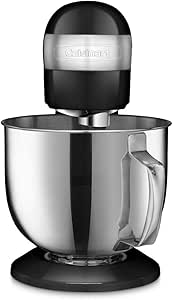
Cuisinart SM-50BK Stand Mixer, 5.5 Quart, 12 Speed, Onyx

Traeger Pro 22 Wood Pellet Grill & Smoker

Vitamix 5200 Professional-Grade Blender with 64 oz Container, Black
As an affiliate, we earn on qualifying purchases.
From Pods to Bean-to-Cup
The material presents Ideal Home’s coffee coverage as a combination of product reviews and news about new releases and at-home equipment. Its testing team says it has assessed machines over several years, ranging from pod models to bean-to-cup options. No dates, product names or individual review findings are included in the supplied account.
The distinction between the two categories gives shoppers a starting point for research, but it is not a full buying guide by itself. Product specifications and ownership costs vary by model. Before purchase, readers can confirm the machine’s accepted coffee format, the ongoing cost of supplies, cleaning instructions, warranty terms and whether its footprint suits their kitchen. Environmental descriptions such as “waste-free” should also be checked against the manufacturer’s explanation of the system and its consumables.
““Everyone’s coffee order is different.””
— Ideal Home
Testing Details and Results
The available account does not disclose the testing protocol’s criteria, the number of reviewers or machines assessed, or how performance is compared. It also gives no model-by-model results, current prices or details to support the description of some pod machines as waste-free. Those points cannot be independently answered from the information provided.
No particular machine is named as a recommendation, and there is no announcement of a new launch or change to the testing programme. Product availability and prices may also change, so shoppers should confirm current details with retailers and manufacturers before buying.
Check Models Before Buying
Readers can use the review coverage as a starting point, then compare current reviews and manufacturer specifications for the machines on their shortlist. The most useful next checks are whether a model makes the drinks they want, how it is cleaned, what its supplies cost and whether it fits their counter and budget. For any model-specific recommendation, they will need to consult an individual review; none is included in the material here.
Ideal Home says it continues to cover coffee product reviews and new at-home equipment releases. The supplied information does not give a date for a forthcoming review or identify a next product launch.
Source: rss
Key Questions
What types of coffee machines does Ideal Home say it tests?
It describes testing a range that includes pod machines and bean-to-cup machines. The account does not list specific models or provide comparative results.
How does Ideal Home say it tests coffee machines?
The publication says machines are assessed using its coffee testing protocol and used in the team’s homes to consider everyday experience. It does not explain the protocol’s criteria in the supplied information.
What should I compare before buying a home coffee machine?
Consider your preferred drinks, how often you make coffee, machine size, cleaning needs, the cost and availability of supplies, and how much preparation you want to do. Check individual product specifications before deciding.
Does this report recommend a particular coffee machine?
No. The information describes Ideal Home’s testing approach and machine categories but does not name a top pick or report a model-by-model comparison.
Source: idealhome.co.uk