TL;DR

Get coffee and tea gear delivered free with Prime
- Fast, free delivery on millions of items
- Prime Video, Amazon Music and more included
- Member-only deals all year
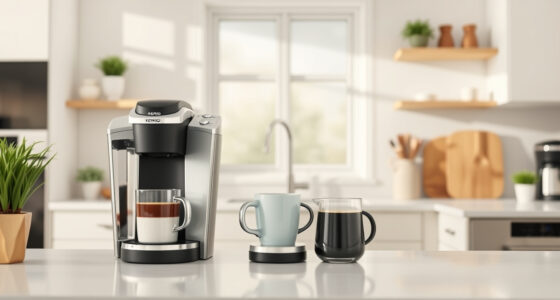
Coffee brewing accessories help you measure, prepare, brew, and serve coffee, but you only need a few to get started. A brewer, a grinder suited to your method, a scale, and a way to heat water cover the basics; clean them regularly and add specialty tools only when they solve a real problem.
Your coffee tastes different on Tuesday, even though you used the same scoop. That small mystery often comes down to inconsistent measurements, an uneven grind, or water that tastes of chlorine.
Coffee brewing accessories can help you fix those everyday problems. You’ll learn which tools make the biggest difference, what you can skip, and how to choose gear that fits the way you actually brew.
Begin with a brewer and a way to heat water; add a grinder and scale when freshness or repeatability matters to you.
Use fine grounds for espresso, medium for drip and pour-over, and coarse for French press or cold brew as starting points.
Weigh your coffee and water so you can recreate a recipe more reliably than with a scoop.
Choose paper for a cleaner cup or metal for more oils and body, and make sure the filter fits your brewer.
Store beans sealed in a cool, dry, dark place, and clean coffee oils from your gear regularly.
Start with four tools that cover most coffee routines
Coffee brewing accessories are tools that help you measure, prepare, brew, and serve coffee, and a small set can cover most home routines. Start with a brewer, coffee, water, and a way to heat it; add a grinder and scale when you want fresher coffee and more repeatable results. You don’t need a gleaming wall of gadgets to make a satisfying cup.
Imagine a weekday morning: you grind beans, weigh them, add hot water, and pour into your favorite mug. A simple setup lets you repeat that routine without guessing. If you use a drip machine, its built-in basket and heating system already handle several jobs for you.
- Brewer: choose a drip machine, French press, pour-over dripper, or espresso machine.
- Grinder: useful when you buy whole beans and want to preserve their aroma.
- Scale: measures coffee and water so your recipe is easy to recreate.
- Kettle: heats water; a standard kettle works for many methods.
For example, a French press owner can start with the press, a kettle, and coffee, then add a grinder and scale later. Buy for the cup you make most days, not the elaborate setup you might use once.
Get more flavor by matching your grinder and grind size
Coffee brewing accessories can improve flavor when they solve a specific problem, and a grinder is often the most useful upgrade for whole-bean coffee. Grinding just before brewing helps preserve aroma, while a burr grinder generally makes more uniform grounds than a blade grinder. That evenness can support more even extraction, though a blade grinder can still be a practical low-cost option.
Match the grind to your brewer as a starting point: fine for espresso, medium for pour-over and drip, and coarse for French press or cold brew. These are starting ranges, not strict rules. If a pour-over tastes thin and sour, try grinding a little finer; if it turns harsh and bitter, go a little coarser.
Say you switch from drip coffee to French press but keep the same medium grind. The result may taste muddy because finer particles pass through the press’s metal screen more readily. A coarse setting gives the grounds more room and can leave your cup cleaner.
Try one change at a time: adjust grind size before changing your dose, water temperature, and brew time all at once. You’ll have a better chance of learning what changed the taste.
If you make coffee only occasionally or use pre-ground coffee, a grinder can wait. The right upgrade depends on your budget, the freshness of your beans, and how much control you want.
Use a scale and timer to make your favorite cup repeatable
A coffee scale measures the weight of your grounds and water, which makes brewing easier to repeat than using a scoop. Beans vary in size and density, so two scoops can hold different amounts even when they look alike. That is why the same scoop can lead to one watery cup and one surprisingly strong one.
For a concrete example, weigh the coffee and water for a cup you enjoy, then write down the numbers. The next morning, repeat them instead of estimating. A timer can track steeping or pouring time, especially with French press, pour-over, and espresso.
- Choose a recipe from your brewer’s guide or a trusted coffee source.
- Weigh the coffee before brewing; tare the scale with your brewer or filter in place.
- Measure the water by weight as you pour or fill the brewer.
- Time the brew and taste the result before changing one variable.
Some scales have built-in timers, and connected models can add tracking. They can make brewing more consistent and convenient, but a basic scale with a timer on your phone works well too.
Pick a kettle and filter for the cup you want
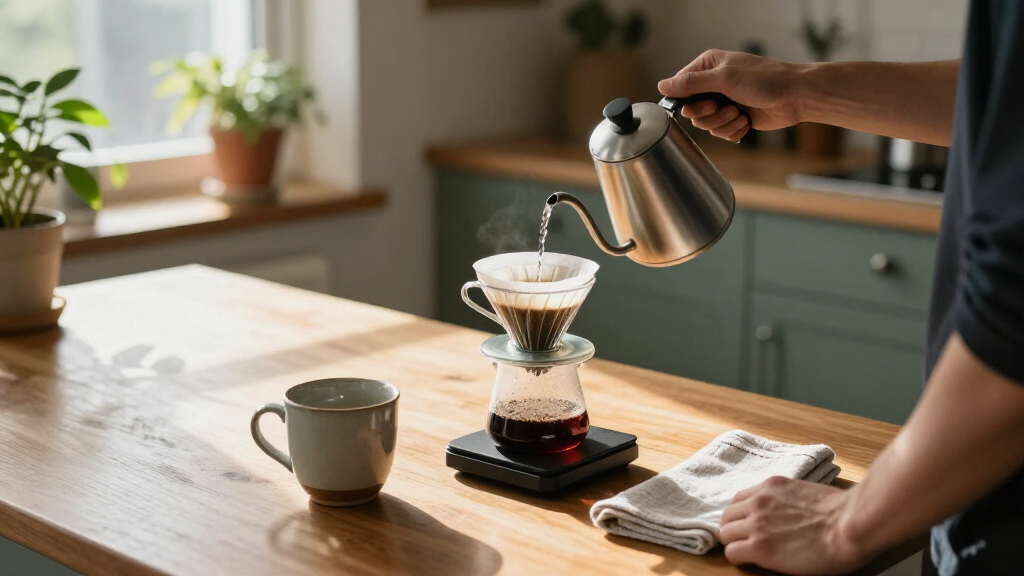
A kettle heats the water, while its spout and your filter help shape how the coffee flows and tastes. A gooseneck kettle gives you more control over a pour-over, where a steady, narrow stream helps wet the grounds evenly. A regular kettle can still work with practice, and most French press or drip routines don’t need a specialty spout.
Filters change texture: paper filters trap more oils and fine particles for a cleaner cup, while metal filters let more oils and sediment through for a fuller feel. Neither is universally better. If you like a bright, clear cup, paper may suit you; if you want more body, try metal.
A temperature-control kettle offers precise settings, but you don’t need one to start. If your kettle boils water, let it settle briefly before brewing, then focus on a steady recipe. A pour-over fan might enjoy the extra control; someone filling a French press before work may prefer the simpler kettle already in the cupboard.
| Accessory | What it helps with | Good fit for |
|---|---|---|
| Gooseneck kettle | Controlled, steady pouring | Pour-over |
| Paper filter | Cleaner cup with fewer oils | Drip and pour-over |
| Metal filter | Fuller texture and more oils | French press or compatible drippers |
Check that the filter fits your brewer before buying; a wrong shape or size can let grounds slip through or cause water to pool.
Protect your coffee with better water, storage, and cleaning
Coffee is mostly water, so the water you use affects the flavor. Filtered water can help if your tap water has a noticeable chlorine taste or smell, while very hard or very soft water may change extraction. For a clear test, brew one cup with your usual water and one with filtered water, then compare them side by side.
Store beans in an airtight container away from heat, light, moisture, and strong odors. A cool, dry cupboard works for everyday use, and refrigeration is generally unnecessary. For instance, a bag stored beside a hot oven or open spice jars can lose its fresh aroma faster than one tucked into a dark cabinet.
Rinse or wash brewing parts after use and follow the maker’s cleaning directions. Coffee oils build up in grinders, brewers, and reusable filters; left behind, they can smell stale and make fresh coffee taste flat. A reusable filter may cut down on disposable paper, but it still needs regular cleaning.
If you make a milk drink, rinse the pitcher and clean any steam wand promptly according to your machine’s instructions. Coffee gear usually isn’t a food-safety risk when cared for properly, but clean surfaces and prompt cleanup are sensible habits, especially around milk.
Spend on the accessory that fixes your daily frustration
The best coffee accessories fit your brewing method, budget, and counter space. Someone who drinks pour-over coffee may value a gooseneck kettle and scale, while an espresso drinker may need a tamper and milk pitcher. A French press owner may get more from a grinder and airtight bean storage.
Before you buy, ask whether the accessory fits your brewer, whether replacement filters are easy to find, and how much cleaning it requires. A compact hand grinder and collapsible dripper can make sense for travel, but only if you have access to hot water and don’t mind a little setup.
Think of a beginner who buys a smart scale, premium kettle, and several espresso tools before owning an espresso machine. Most of that kit won’t improve their drip coffee. Starting with one brewer, a suitable grinder, and a scale is less flashy, but it answers the real question: can you make the cup you enjoy again tomorrow?
- Buy a grinder if fresh grinding is your biggest gap.
- Buy a scale if your cup changes from day to day.
- Choose a specialty kettle if you struggle to pour evenly.
- Try a new filter if you want a cleaner or fuller cup.
Price alone doesn’t promise better coffee. Reliable gear that suits your routine can make more difference than an expensive accessory that stays in a drawer.
Frequently Asked Questions
Which coffee accessories do I need to get started?
You need a brewer, coffee, water, and a way to heat the water. A grinder and a scale are useful upgrades for fresher coffee and more repeatable recipes, but you can add them when they suit your budget and routine.
Is a burr grinder worth it?
A burr grinder is often worth it if you brew whole-bean coffee regularly and want more uniform grounds. A blade grinder remains a workable low-cost choice, especially if you are just starting out.
Do I need a gooseneck kettle for pour-over?
No. A gooseneck kettle makes a steady, controlled pour easier, but a standard kettle can work with practice. It is a useful upgrade if uneven pouring is affecting your results.
Why use a scale instead of a coffee scoop?
A scale measures coffee and water by weight, so you can repeat the same recipe more reliably. Scoops measure volume, and beans vary in size and density, which can make the amount per scoop inconsistent.
Are paper or metal coffee filters better?
Paper filters usually make a cleaner cup by trapping more oils and fine particles. Metal filters let more oils and sediment through for a fuller texture. Choose based on the cup you enjoy, and check that the filter matches your brewer.
Conclusion
Choose one accessory that fixes a real frustration in your current routine. A grinder can bring back a bean’s aroma; a scale can turn a lucky cup into a repeatable one. Start small, keep your gear clean, and let your morning coffee taste like a good habit instead of a guessing game.
Halloween Picks
halloween
As an affiliate, we earn on qualifying purchases.