
The Third Wave revolutionized how you experience coffee by shifting focus from mass-produced blends to honoring each bean’s origin, craft, and story. You now get to explore unique flavors tied to specific farms, regions, and harvests, highlighting transparency and sustainability. Baristas use intentional brewing methods and advanced techniques to reveal full flavor potential. If you keep exploring, you’ll uncover how this movement elevates coffee into a true art form emphasizing quality and craftsmanship.
Key Takeaways
- It shifted focus from mass production to highlighting origin, craft, and unique flavor profiles.
- Emphasized transparency, sustainability, and ethical sourcing to connect consumers with farmers and regions.
- Promoted intentional brewing techniques like pour-over to showcase individual bean characteristics.
- Leveraged scientific advances to optimize extraction, preserve freshness, and refine brewing precision.
- Elevated coffee to an art form, encouraging storytelling, experimentation, and a deeper appreciation of craftsmanship.
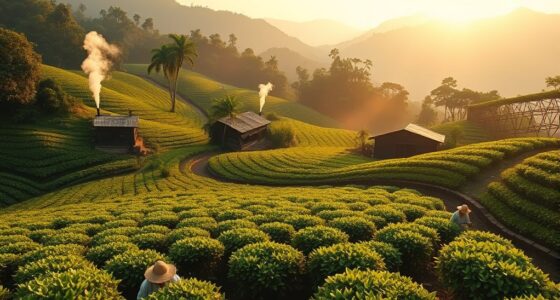
Have you ever wondered what sets third wave coffee apart from other coffee movements? It’s all about shifting your focus from mass-produced blends to a deeper appreciation of the beans’ origin and the craft involved in each cup. Third wave coffee emphasizes transparency, sustainability, and a commitment to showcasing the unique flavors of single origin beans. Unlike previous coffee eras that prioritized consistency and affordability, this movement celebrates the nuances that come from specific regions, farms, and even individual harvests. When you explore third wave coffee, you’re encouraged to see each cup as a story—one that begins with the soil, climate, and farmers who nurture the beans.
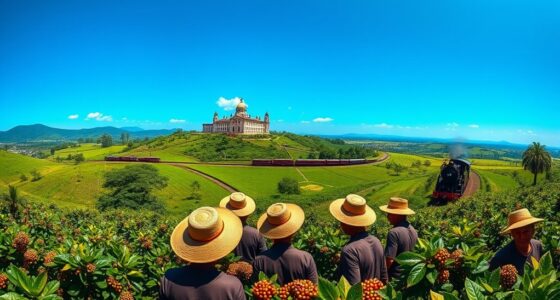
One of the key elements that define this movement is the use of single origin beans. These beans come from a specific farm, region, or cooperative, allowing you to taste the distinctive characteristics of that particular place. This focus on traceability means you’re not just drinking coffee; you’re experiencing a sense of place. The flavors are more vibrant, complex, and expressive than generic blends, making every sip a discovery. Baristas and roasters take pride in sourcing high-quality beans that are ethically farmed, highlighting a commitment to sustainability and fair trade practices. When you choose a coffee made from single origin beans, you’re supporting farmers who prioritize quality and environmental stewardship.
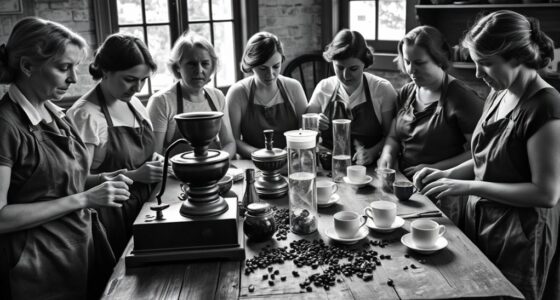
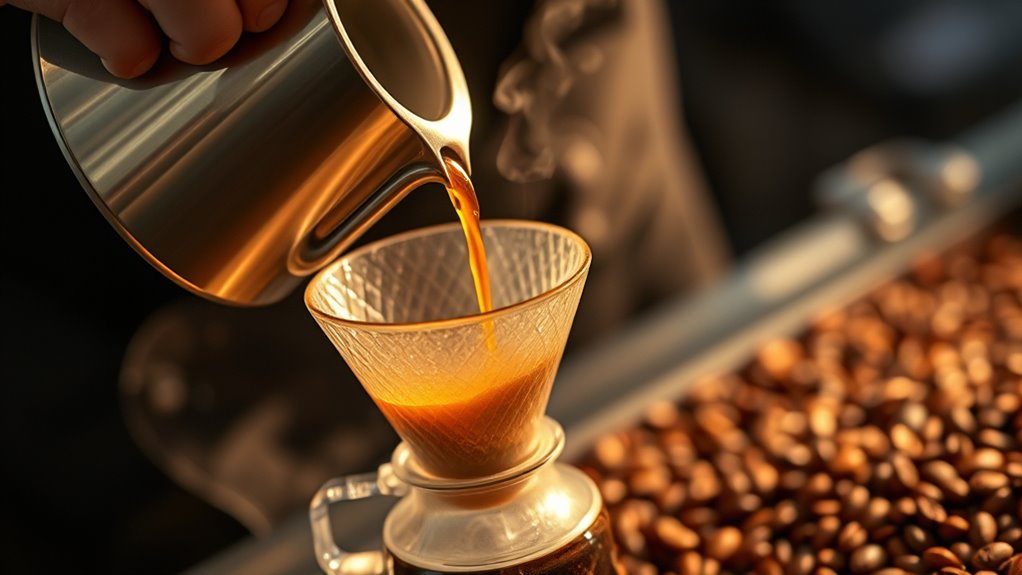
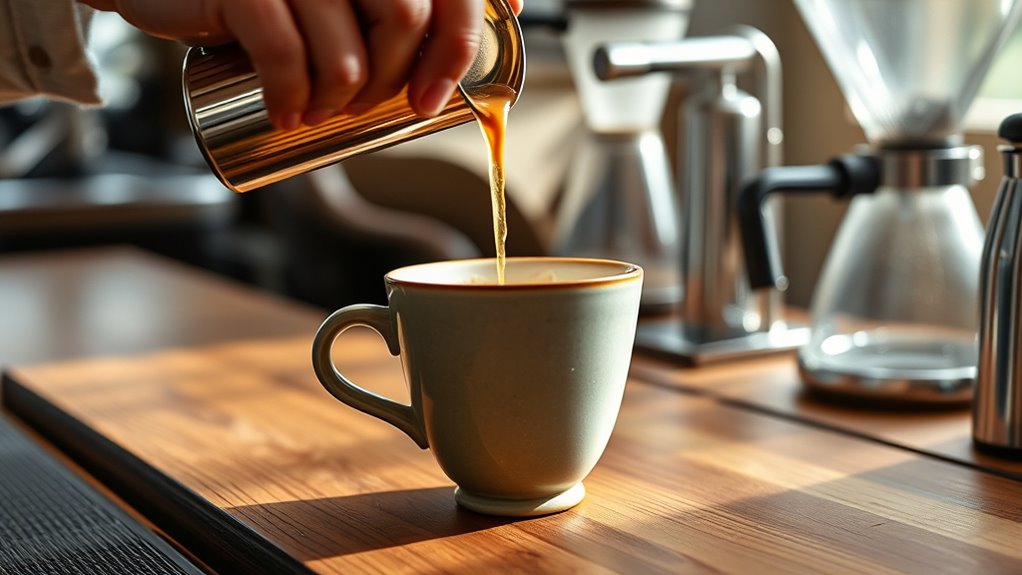
Brewing techniques also play a crucial role in the third wave experience. You’re encouraged to be intentional with your brewing, whether that’s through pour-over, Chemex, AeroPress, or other precise methods. These techniques allow you to control variables like water temperature, grind size, and brewing time, revealing the full potential of the beans’ flavor profile. The focus is on clarity and balance—getting the most out of each origin’s unique attributes. Third wave coffee shops often provide detailed instructions or even personal guidance, inviting you into the process of making coffee that’s as thoughtfully crafted as a fine wine. This hands-on approach helps you appreciate the complexities and subtleties that can be lost with more automated brewing methods.
Additionally, advancements in coffee science and technology have enabled roasters and baristas to better understand how to optimize flavor extraction and preserve freshness, elevating the overall quality of third wave coffee. Ultimately, third wave coffee isn’t just about drinking coffee; it’s about understanding and respecting the craftsmanship behind each cup. It invites you to become more mindful of what you’re consuming, to recognize the effort behind single origin beans, and to experiment with brewing techniques that highlight their best qualities. This movement transforms coffee into an art form, inspiring you to explore deeper layers of flavor and connection in your daily ritual. When you embrace third wave coffee, you’re part of a community that values quality, transparency, and the stories embedded in every bean.
Frequently Asked Questions
How Did the Third Wave Influence Global Coffee Markets?
The Third Wave considerably influences global coffee markets by driving market expansion and altering price dynamics. You’ll notice increased demand for high-quality, ethically sourced beans, which pushes specialty coffee into new regions. This shift encourages premium pricing and creates opportunities for local producers. As you explore specialty coffee, you’ll see how these changes promote sustainability and innovation, ultimately reshaping global consumption patterns and fostering a deeper appreciation for craftsmanship.
What Are the Main Differences Between Third Wave and Previous Coffee Movements?
You notice a shift when comparing the Third Wave to previous coffee movements. It’s all about a single origin focus and brewing transparency that elevates quality and authenticity. Unlike earlier eras that prioritized mass production or quick brewing, this movement emphasizes traceability and craftsmanship. You get to appreciate unique flavors, knowing exactly where your coffee comes from, making each cup a deliberate, transparent experience that transforms your coffee journey.
How Do Baristas Contribute to the Third Wave Coffee Experience?
As a barista, your expertise shapes the third wave coffee experience by expertly brewing and showcasing coffee’s unique flavors. You actively engage customers, sharing knowledge about beans, brewing methods, and tasting notes, which deepens their appreciation. Your passion and skill create a personalized experience, making each cup memorable. By focusing on quality and storytelling, you help elevate coffee from a simple beverage to a craft worth savoring.
What Are Common Challenges Faced by Third Wave Coffee Roasters?
You know what they say, “A chain is only as strong as its weakest link.” As a third wave coffee roaster, you face challenges like managing a complex supply chain and ensuring consumer education. Fluctuations in green coffee prices and sourcing ethically can disrupt quality and consistency. Additionally, you must educate consumers about specialty coffee’s nuances, building loyalty while maintaining sustainability and transparency in every roast.
How Is Sustainability Integrated Into Third Wave Coffee Practices?
You prioritize sustainability by focusing on ethical sourcing, ensuring farmers receive fair wages and work under good conditions. You also implement waste reduction strategies, like composting coffee grounds and using biodegradable packaging. By choosing suppliers committed to environmental practices, you support a more sustainable coffee industry. These efforts not only protect the environment but also resonate with customers who value transparency and social responsibility in their coffee experience.
Conclusion
So, as you sip your next cup, remember the Third Wave’s revolution—where quality isn’t just a buzzword but a journey of craftsmanship and care. It’s a story brewed with passion, patience, and purpose, inviting you to see coffee in a new light. Isn’t it time you tasted beyond the surface, savoring the artistry behind each cup? Because in this movement, every sip whispers a story—are you ready to listen?