
You’ll find that diner coffee is a true American icon, symbolizing resilience, community, and practicality. It’s cheap, strong, and served in endless refills, creating a welcoming, unpretentious atmosphere. This coffee reflects the heart of American culture—fostering connections among regulars and providing comfort during hard times. Its simplicity and abundance make it more than just a drink; it’s a tradition that embodies the enduring spirit of the nation. Keep exploring to discover how this humble beverage shaped a cultural legacy.

Get coffee and tea gear delivered free — and shop member deals
- Fast, free delivery on millions of items
- Access to Prime Big Deal Days deals on October 6–7
- Prime Video, Amazon Music and more included
Key Takeaways
- Diner coffee symbolizes American resilience, practicality, and community, serving as a cultural icon rooted in tradition.
- Its affordability and endless refills provided economic stability and comfort during hardships.
- Served black and in large cups, reflecting the no-nonsense, welcoming spirit of classic diners.
- Coffee fosters social interactions, turning strangers into regulars and strengthening community bonds.
- Enduring as a symbol of American identity, it represents simplicity, abundance, and tradition.
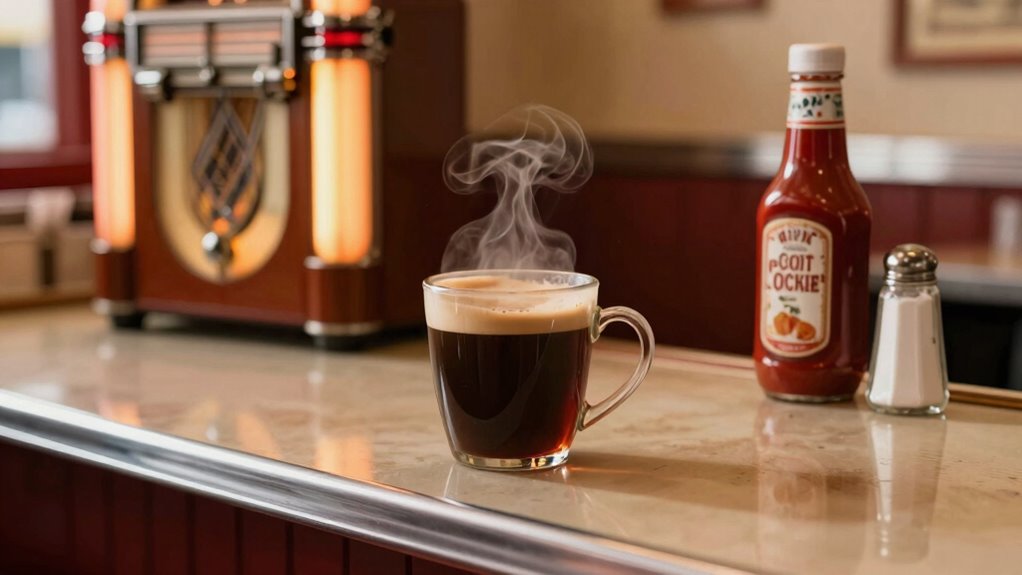
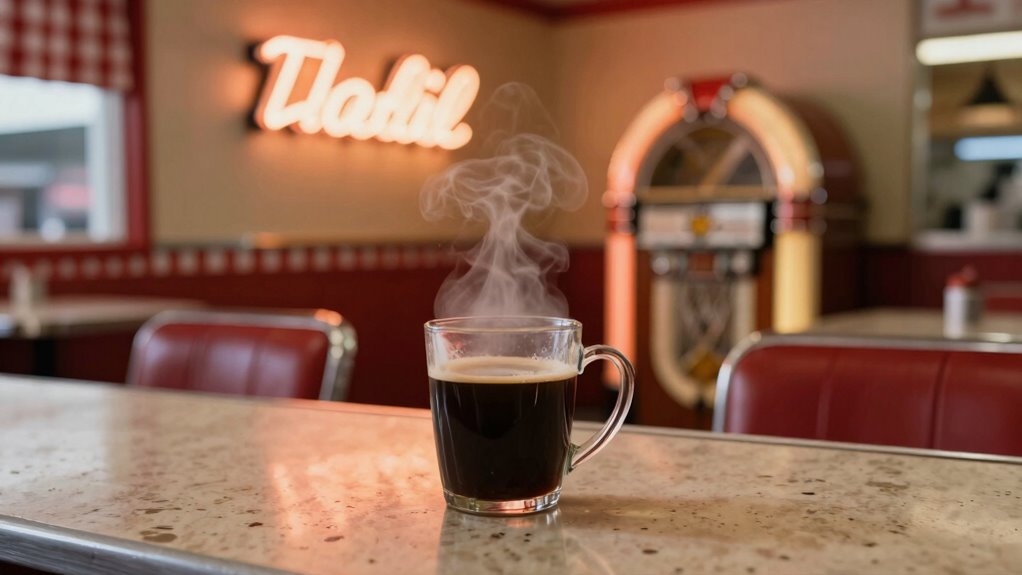
Diner coffee has long been a staple of American culture, serving as both a comforting ritual and a symbol of everyday life. When you step into a classic diner, the smell of freshly brewed coffee fills the air, instantly setting the tone for the atmosphere that’s designed to feel familiar and welcoming. This coffee isn’t just a beverage; it’s part of the diner ambiance — casual, unpretentious, and rooted in tradition. Its affordability makes it accessible to everyone, and its endless refills mean you can settle in for a long, relaxed conversation or a quick morning boost without worrying about the bill adding up. That’s what makes diner coffee so iconic: it’s a simple pleasure, yet it’s woven into the fabric of American social life.
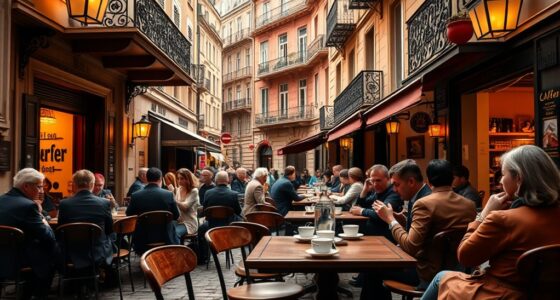
Throughout history, coffee culture in diners has evolved into a symbol of community. It’s not uncommon to see regulars perched at the counter, chatting with the staff or exchanging stories with fellow patrons over steaming mugs. The diner ambiance fosters a sense of familiarity, where strangers quickly become acquaintances, and the coffee serves as a unifying element. You might notice that the way the coffee is served—black, strong, and in large cups—reflects the no-nonsense attitude of the American diner itself. It’s about practicality and comfort, not fancy presentation, which is exactly what makes it so endearing. The tradition of endless refills also reinforces the idea of hospitality and abundance that’s central to the diner experience. Additionally, the economic significance of diner coffee helped shape its place in American history. The practice of offering cheap, abundant coffee was particularly vital during economic hardships, providing a sense of stability and community support.
Regulars gather over strong, black coffee, creating a warm, no-nonsense community at the heart of every classic diner.
The affordability of diner coffee also played a significant role in shaping its place in American history. During tough economic times, this cheap, endless cup provided a sense of stability and comfort. It was the fuel for workers, students, and travelers alike, giving them the energy to face their day without breaking the bank. Over the years, the tradition of refilling coffee cups has persisted, reinforcing the idea that in a diner, you’re always welcome to stay a little longer. The endless coffee refills symbolize a sense of abundance and hospitality that’s become a hallmark of the diner experience. The cultural icon that diner coffee has become embodies resilience and practicality in American society. This tradition of communal coffee-drinking also reflects broader American values of resilience and practicality.
In essence, your experience with diner coffee is about more than just caffeine; it’s about participating in a longstanding American tradition. It’s the taste of resilience, community, and simplicity wrapped into a warm, familiar cup. Whether you’re grabbing a quick breakfast or settling in for a long conversation, diner coffee embodies an enduring part of American culture—cheap, endless, and undeniably iconic.
As an affiliate, we earn on qualifying purchases.
Frequently Asked Questions
How Did Diner Coffee Become a Symbol of American Culture?
You see, diner coffee became a symbol of American culture through its role in everyday life, embodying the diner ambiance of friendliness and familiarity. As you observe, coffee brewing in diners offers a quick, affordable caffeine fix, making it a staple for workers and travelers alike. Its endless, inexpensive nature mirrors the hardworking, welcoming spirit of America, turning it into an iconic part of the nation’s social fabric.
What Types of Coffee Beans Are Traditionally Used in Diners?
You’ll find that diners traditionally use robust, dark-roast coffee beans, often a blend of Arabica and Robusta. Coffee bean roasting brings out rich, bold flavors, with dark roasts offering a smoky, intense profile that suits the consistent brewing style in diners. Flavor profile differences come from the roasting process, influencing the strength and bitterness, making the coffee appealing to those seeking a strong, reliable cup any time of day.
How Has Diner Coffee Evolved With Modern Coffee Trends?
You see, diner coffee has evolved from simple drip to embracing modern trends like pour-over and cold brew. While traditional brewing methods still dominate, you now find options for customization—like stronger brews or flavored creamer additions. This blend of old and new keeps diner coffee relevant, giving you the chance to enjoy the classic experience with a modern twist, catering to diverse tastes while maintaining its iconic, endless appeal.
Are There Regional Variations in Diner Coffee Across the U.S.?
Yes, there are regional variations in diner coffee across the U.S. because of different regional brewing methods and local coffee customs. In the South, you might find sweeter, creamier options, while in the Pacific Northwest, artisanal brews often take center stage. East Coast diners tend to serve robust, dark roasts, and Midwest spots may favor hearty, straightforward brews. These regional styles reflect local tastes and brewing traditions.
What Are Some Iconic Diner Coffee Brands or Establishments?
You might think of the classic diner coffee at places like Waffle House, where coffee brewing is simple yet consistently satisfying. Imagine pairing this bold, hot brew with a hearty diner breakfast—pancakes or bacon—creating an iconic experience. Such establishments embody the essence of American diner culture, making their coffee brands or signature brews instantly recognizable symbols of comfort and tradition in every cup.
Conclusion
Throughout American history, diner coffee has symbolized affordability, comfort, and endless availability. It’s no surprise that over 80% of Americans have fond memories of grabbing a cup at their local diner. This simple yet iconic beverage has fueled countless conversations, late nights, and mornings. As you reflect on its legacy, remember that diner coffee isn’t just a drink—it’s a cornerstone of American culture, connecting generations one cup at a time.
Evergreen bestsellers Picks
bestsellers
As an affiliate, we earn on qualifying purchases.