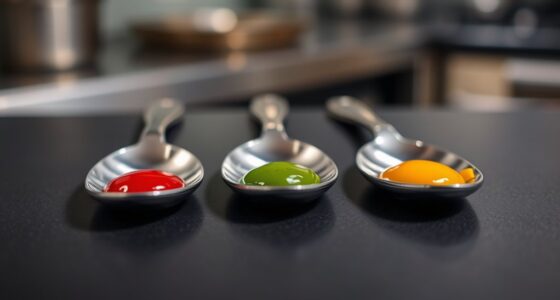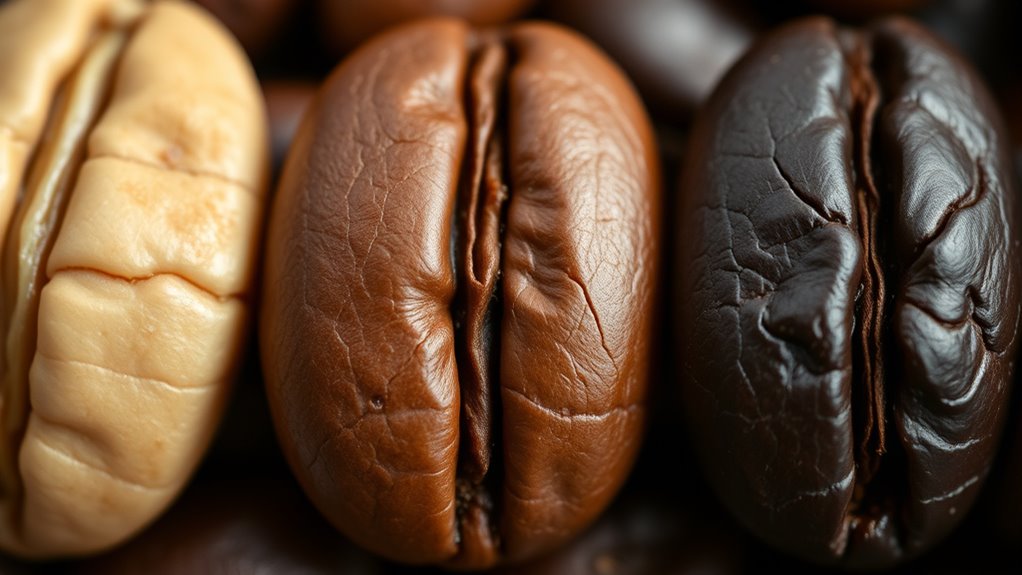

Your perception of coffee flavor is heavily shaped by the roast level. Lighter roasts highlight bright, fruity, and floral notes, allowing you to taste the bean’s natural qualities. As the roast gets darker, richer flavors like chocolate, caramel, and roasted undertones become prominent. The depth of roasting also impacts aroma and body. To understand how these changes influence your experience, explore further—there’s more to discover about how roast levels influence flavor perception.
Key Takeaways
- Light roasts preserve the bean’s original bright, fruity, and floral flavors, emphasizing inherent qualities.
- Darker roasts develop richer, deeper notes like chocolate, caramel, and roasted undertones, altering flavor perception.
- Roast level influences aroma and body, impacting the overall sensory experience of the coffee.
- Variations in roast degree can highlight or diminish specific taste characteristics based on roasting techniques.
- Cupping reveals how different roast levels affect aroma, complexity, and the subtle nuances of flavor.
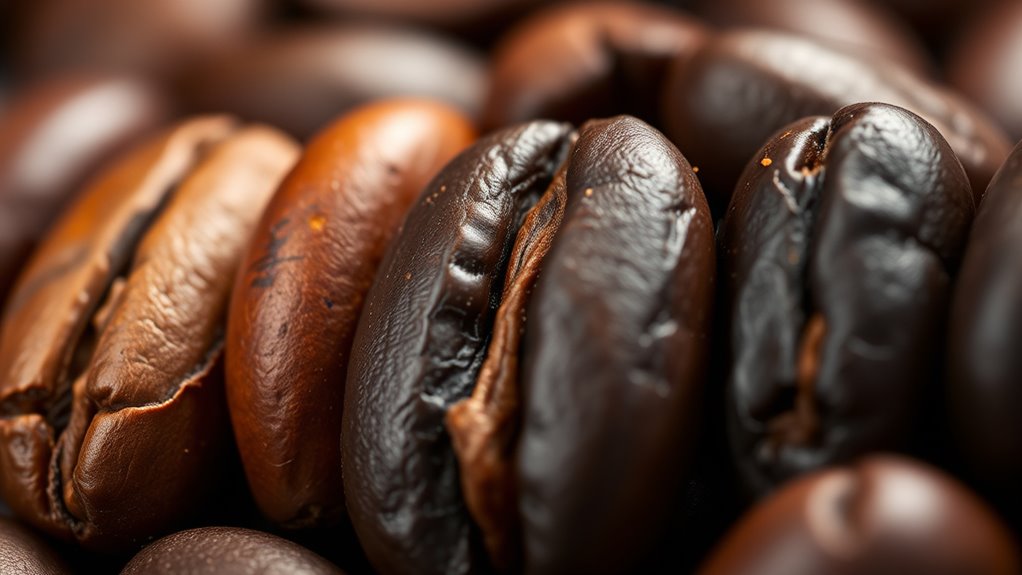
The roast level of coffee considerably influences its flavor profile, shaping the taste experience from the first sip. When you explore different roast levels, you’ll notice how the depth of roasting impacts the aroma, body, and overall complexity of the brew. Light roasts tend to highlight the beans’ inherent qualities, bringing out bright, fruity, and floral notes. As the roast level increases, you’ll find richer, deeper flavors emerge—think chocolate, caramel, and roasted undertones. Understanding how roast levels affect flavor helps you select coffees that match your preferences, whether you crave the brightness of a light roast or the boldness of a dark one.
To truly appreciate how roast level influences flavor, you should also consider cupping techniques. Cupping allows you to evaluate different coffees systematically, revealing nuances that might be masked in brewing. During a cupping session, you’ll smell the grounds, listen for the cracking sounds, and taste the brew to compare how roast levels affect aroma and flavor. This process helps you identify what characteristics you prefer and deepens your understanding of how roast degree alters the sensory experience. Additionally, engaging in cupping encourages a mindful approach to coffee tasting, sharpening your palate and helping you distinguish subtle flavor differences driven by roast levels.
Exploring different roasting practices can also reveal how roast degree influences the final taste, as varying techniques can accentuate certain flavor notes or create unique profiles. Sustainability practices are equally crucial when exploring roast levels and their flavors. Many roasters now emphasize ethical sourcing and environmentally friendly processes, which can influence the final taste profile. Beans grown with sustainable methods often exhibit more vibrant and nuanced flavors because of healthier soil, better farming practices, and reduced chemical use. When you choose coffees from roasters committed to sustainability, you’re supporting environmentally conscious efforts that also enhance the quality of your brew. This connection between sustainability and flavor underscores how responsible practices in cultivation and roasting can produce more vibrant, complex coffees, making your tasting experience more meaningful.
Incorporating cupping techniques and sustainability practices into your coffee journey allows you to deepen your appreciation of how roast levels shape flavor. As you experiment with different roasts, pay attention to how aroma and taste shift, and consider where sustainable sourcing fits into that picture. Whether you’re brewing at home or visiting a specialty shop, these approaches empower you to make informed choices and enjoy richer, more nuanced coffees. Ultimately, understanding the influence of roast level on flavor, combined with mindful tasting and ethical sourcing, elevates your coffee experience from routine to truly enriching.

Amazon Fresh, Just Bright Whole Bean Coffee Light Roast, 32 Oz
Light roast with a crisp and clean flavor
As an affiliate, we earn on qualifying purchases.
As an affiliate, we earn on qualifying purchases.
Frequently Asked Questions
How Does Roast Level Affect Caffeine Content?
You’ll find that darker roasts generally have slightly less caffeine than lighter ones because of caffeine extraction during roasting. As roast density increases with darker roasting, some caffeine is lost due to higher temperatures and longer exposure. However, the difference isn’t huge—you’ll still get a solid caffeine kick regardless of roast level. Keep in mind, brewing method also influences caffeine content, so enjoy your coffee as you prefer.
Do Darker Roasts Have More Bitterness Than Lighter Roasts?
Think of darker roasts as a stormy sky—more intense and sometimes more turbulent. You’ll find they often have a stronger bitterness perception, adding a bold edge to the flavor balance. This bitterness can overpower other nuances, making the coffee feel more robust but less nuanced. Lighter roasts, like a clear morning, tend to be brighter and more balanced, offering complexity without the overpowering bitterness.
How Does Roast Level Influence Coffee Acidity?
You’ll notice that lighter roasts tend to have higher acidity, offering a lively, bright, and acidic brightness that enhances flavor complexity. As the roast level darkens, acidity diminishes, resulting in a smoother, more mellow taste. So, if you enjoy a vibrant, tangy profile, choose a lighter roast; for a richer, less acidic experience, opt for a darker roast. Your preferred roast level directly influences the coffee’s acidity and overall flavor.
Are There Health Differences Between Light and Dark Roasts?
Think of coffee as a treasure chest—light roasts are like unrefined gems, packed with more antioxidants and potential health benefits. Dark roasts are like polished stones, slightly lower in antioxidants but still offering health perks. While both help boost your mood and alertness, light roasts may provide more antioxidants, giving you a slight edge in health benefits. Choose based on your taste and health goals!
Can Roast Level Impact the Coffee’s Aroma Profile?
Yes, roast level impacts the coffee’s aroma profile. As you explore different roasts, you’ll notice that lighter roasts offer more aroma complexity, revealing delicate floral and fruity fragrances. Darker roasts tend to have a more intense fragrance, with bold, smoky notes. Your perception of aroma varies with roast level, enhancing the overall sensory experience by highlighting different fragrance intensities and aroma nuances in each brew.
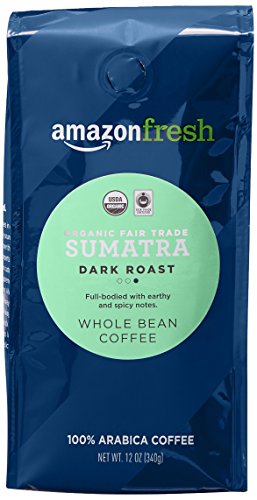
Amazon Fresh Organic Fair Trade Sumatra Whole Bean Coffee, Dark Roast, 12 Ounce
Dark roast with deep, intense flavor
As an affiliate, we earn on qualifying purchases.
As an affiliate, we earn on qualifying purchases.
Conclusion
As you explore different roast levels, you’ll find flavor profiles shift like a sunset changing colors—light roasts are bright and lively, while dark roasts bring smoky richness. Your palate acts as a map, guiding you through these nuanced tastes. Embrace the journey, knowing each roast level reveal a new horizon of flavor. Just like a painter’s palette, your coffee choices create a vibrant tapestry—delightful and full of surprises every time.

BARISTA HUSTLE Black Coffee Cupping Bowls 200ml – Stackable Heat-Preserving Cups – Premium Material Ideal for Coffee Tasting, High-Density Polyethylene for Zero Taste Interference – Set of 12
PREMIUM MATERIAL FOR COFFEE PURITY: Crafted from high-density polyethylene with Cabot Black Pearls colorant for zero taste, color,…
As an affiliate, we earn on qualifying purchases.
As an affiliate, we earn on qualifying purchases.

Lavazza ¡Tierra! Organic for Planet Whole Bean Coffee, Light Roast, 100% Arabica, 2.2 lb Bag (pack of 1)
One 2.2 lb. bag of Lavazza Organic Tierra Italian whole coffee beansRich bodied Italian roast with notes of…
As an affiliate, we earn on qualifying purchases.
As an affiliate, we earn on qualifying purchases.