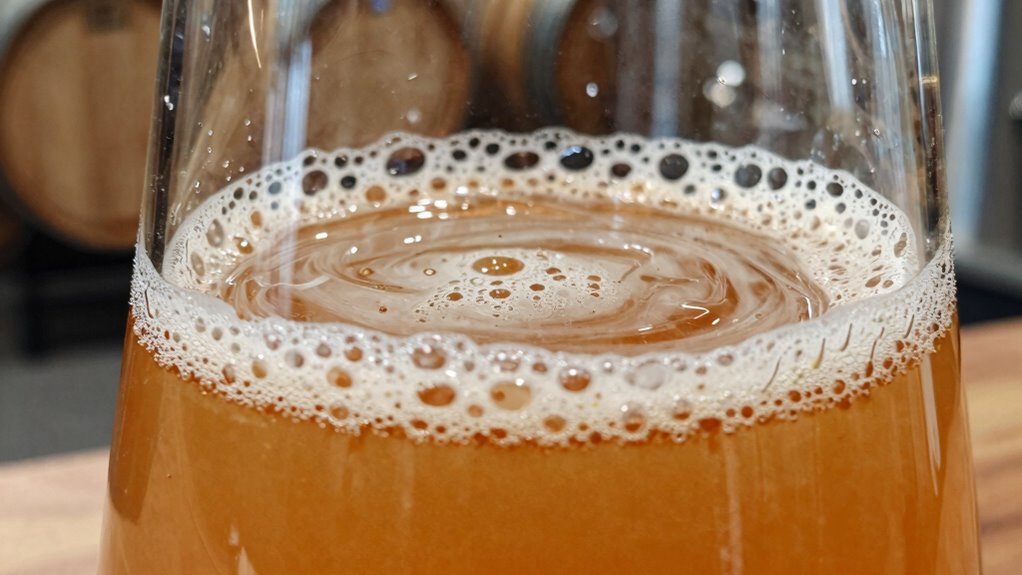

If you’re exploring anaerobic processing, you’ll notice it can produce a wide range of flavors—from funky and complex to fruity and even overwhelming. The environment, microbes, and process control all influence these outcomes, making fermentation less predictable. Small tweaks in temperature or oxygen levels can shift the profile considerably. Want to understand how to steer your fermentation toward the flavors you prefer? Keep exploring to uncover more about managing these flavorful transformations.

Get coffee and tea gear delivered free with Prime
- Fast, free delivery on millions of items
- Prime Video, Amazon Music and more included
- Member-only deals all year
Key Takeaways
- Anaerobic fermentation promotes esters and phenols, resulting in fruity and funky flavor profiles.
- Microbial balance and environmental control influence whether flavors develop harmoniously or become overwhelming.
- Small changes in temperature or fermentation duration can significantly alter flavor intensity and character.
- Proper oxygen exclusion encourages beneficial microbes, reducing spoilage and undesirable flavors.
- Monitoring microbial activity and process parameters ensures consistent, desired anaerobic flavor outcomes.

Have you ever wondered how removing oxygen during processing can influence the flavors of your product? When you exclude oxygen, you’re essentially shifting the environment into an anaerobic state. This change profoundly impacts fermentation dynamics, which directly shape the flavor profile you end up with. In an oxygen-free setting, microbes that thrive without oxygen — like certain bacteria and yeasts — become dominant, guiding the fermentation process along different pathways than they would in aerobic conditions. Their influence can lead to a range of flavors, from funky and complex to unexpectedly fruity, or sometimes even overwhelming.
The microbial influence in anaerobic processing is powerful. Without oxygen, the usual competitors and spoilage organisms are suppressed, allowing specific microbes to flourish. These microbes produce a variety of metabolites that give your product its distinctive taste and aroma. For example, lactic acid bacteria may generate sour notes, while certain yeast strains contribute fruity, estery flavors. The balance and activity of these microbes depend heavily on the fermentation environment, including temperature, pH, and nutrient availability, which you control during the process. As fermentation progresses, these factors influence microbial metabolism, ultimately dictating whether your product develops a desirable complexity or veers into an overpowering funkiness. Additionally, oxygen exclusion is crucial for promoting the growth of beneficial microbes and maintaining the desired fermentation pathway. Ensuring the right microbial ecology is essential for achieving the flavor profile you desire.
Furthermore, understanding how microbial interactions evolve during anaerobic fermentation can help in optimizing flavor development and avoiding undesirable outcomes.
Fermination dynamics under anaerobic conditions tend to be more unpredictable than in oxygen-rich environments. The absence of oxygen favors anaerobic pathways, which often create compounds like esters and phenols. These compounds are responsible for the fruity and funky notes you might notice. While some fermentation styles intentionally embrace these flavors, aiming for a bold, earthy character, others might find them too intense or off-putting if not carefully managed. The key is understanding how microbial populations shift and how their metabolisms intertwine throughout fermentation. Small adjustments in temperature or fermentation time can significantly alter the flavor outcome, making it crucial to monitor and refine your process. Additionally, environmental control plays a crucial role in guiding microbial activity and ensuring consistency.
Furthermore, controlling oxygen levels and microbial activity is essential for achieving consistent results, especially since microbial metabolism can vary greatly depending on environmental conditions. In the end, anaerobic processing opens up a world of flavor possibilities shaped by fermentation dynamics and microbial influence. It’s a delicate dance where controlling oxygen levels, microbes, and environmental factors determines whether your product turns out funky and complex, delightfully fruity, or just too overwhelming. Embracing this process means you’re not just producing a product — you’re guiding a microbial symphony that crafts the unique flavor profile you want. The more you understand these interactions, the better you can steer the fermentation toward your desired flavor profile, ensuring consistent, high-quality results every time.
As an affiliate, we earn on qualifying purchases.
Frequently Asked Questions
How Does Anaerobic Processing Affect Coffee Shelf Life?
Anaerobic processing can extend coffee shelf life by reducing oxidation, but it depends on fermentation duration and microbial diversity. Longer fermentation may introduce more complex flavors but can also increase spoilage risks if not managed properly. A diverse microbial community can help stabilize the beans, enhancing longevity. So, controlling fermentation time and fostering healthy microbial diversity are essential for maintaining fresh, flavorful coffee over time.
Can Flavor Profiles Vary Between Different Coffee Bean Varieties?
You might think all coffee beans taste similar, but bean variety truly influences flavor diversity. Different varieties have unique genetic traits that impact acidity, aroma, and body. While processing methods like anaerobic fermentation add funky, fruity notes, the inherent qualities of each bean variety can lead to distinct flavor profiles. Exploring various bean types reveals a wide spectrum of tastes, proving that flavor diversity truly depends on the specific coffee bean variety you choose.
What Are Common Mistakes in Anaerobic Fermentation?
You might make mistakes in anaerobic fermentation by not controlling fermentation duration, which can lead to overly funky or sour flavors. Additionally, exposing the beans to oxygen during fermentation can spoil the process and cause undesirable flavors. To avoid these issues, monitor fermentation time carefully and keep oxygen exposure minimal. Properly managing these factors helps develop the desired fruity or funky notes without overwhelming the coffee’s natural profile.
Does Anaerobic Processing Require Special Storage Conditions?
Imagine locking in a secret — your fermentation environment needs special storage techniques. Yes, anaerobic processing requires controlled conditions like temperature stability, minimal oxygen exposure, and proper sealing to prevent spoilage. These storage techniques keep your brew’s flavors consistent and vibrant. Without them, unwanted funky or fruity notes could overpower your batch. So, treat your fermentation environment like a treasure chest — secure, stable, and just right.
How Does Anaerobic Processing Influence Caffeine Content?
Anaerobic processing can cause caffeine variation in your coffee. The processing impact often results in a more concentrated bean, which may increase caffeine levels, but this isn’t always consistent. Factors like fermentation time and temperature influence the caffeine content, so you might notice slight differences. Overall, anaerobic methods can subtly affect caffeine, making your coffee either a bit more potent or a little milder depending on how it’s processed.
Conclusion
So, as you explore anaerobic processing, remember that these flavors—whether funky, fruity, or overwhelming—are part of the adventure. Don’t be afraid to experiment and find what suits your palate best. Just like a wise barista in a vintage café might say, “It’s all about balance,” so too should you consider how much funk or fruitiness you want. Embrace the journey, and let your taste buds be your guide—no need to be a medieval monk about it!
Halloween Picks
halloween
As an affiliate, we earn on qualifying purchases.