If your De’Longhi espresso machine is leaking water, it can disrupt your coffee routine and potentially damage the machine. Fortunately, most leaks are fixable with some simple troubleshooting. This guide provides clear, safe steps to identify and resolve common causes of water leaks in your De’Longhi machine.
Before starting, ensure the machine is unplugged and cooled down to prevent injury or further damage. Gather basic tools like a towel, screwdriver, and replacement parts if needed.
Key Takeaways
| Identify the leak source | Check hoses, seals, and water tank fittings. |
| Inspect for damaged seals | Worn or cracked seals are common causes. |
| Clean and descale regularly | Limescale buildup can cause blockages and leaks. |
| Replace faulty components | Use genuine parts for reliable repairs. |

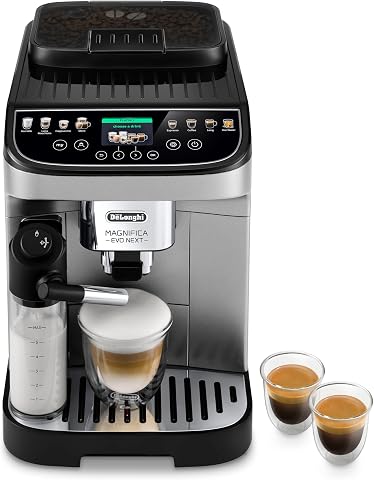
De'Longhi Magnifica Evo Next Automatic Espresso Machine, Frother, Silver
- Top-Rated US Espresso Machine: Number one super automatic espresso maker in the US
- 13 One-Touch Recipes: Enjoy a variety of drinks at the touch of a button
- Built-In Conical Burr Grinder: 13 grind settings for optimal bean preparation
As an affiliate, we earn on qualifying purchases.
Step 1: Unplug and Prepare the Machine
Ensure the espresso machine is unplugged and cooled down. Remove the water tank and any removable parts to inspect for leaks and blockages.
Step 2: Check the Water Tank and Fittings
- Remove the water tank and inspect the connection point for cracks or misalignment.
- Ensure the tank is seated properly when reinstalled.
- Look for any visible signs of water escaping from the tank area.
Step 3: Examine Seals and Gaskets
Check all seals, gaskets, and O-rings around the water tank, brew group, and internal pathways. Replace any that are cracked, worn, or missing. Use genuine replacement parts if necessary.
Step 4: Inspect Internal Components
Open accessible panels to examine internal hoses and connections. Look for loose or disconnected hoses, and tighten or reattach as needed. Be cautious to avoid damaging delicate parts.
Step 5: Clean and Descale the Machine
Use a descaling solution, such as De’Longhi EcoDecalk, to remove mineral buildup that can cause blockages and leaks. Follow the descaler instructions carefully, and rinse thoroughly afterward.
The Products in This Guide
De’Longhi Magnifica Evo Next Fully Automatic Espresso Ma
- ✔ Warranty: 1-year
- ✔ Material: Plastic and stainless steel
- ✔ Power: 1450W

De’Longhi Replacement Water Filter
- ✔ Weight: 4 oz
- ✔ Dimensions: 2 x 2 x 4 inches
- ✔ Price: Affordable
De’Longhi Magnifica Evo Next Fully Automatic Espresso Ma
The De’Longhi Magnifica Evo Next offers a comprehensive brewing experience with programmable settings, built-in grinder, and milk frother. It’s designed for convenience and quality, making it a popular choice for home baristas.
Pros:
- User-friendly interface
- Built-in grinder with 13 settings
- Automatic milk frother
- Multiple drink options
Cons:
- Can be complex to repair internally
- Requires regular descaling
- Water tank may leak if not seated properly
Best for: Home espresso enthusiasts seeking convenience and quality
Not ideal for: Users preferring manual espresso machines or minimal maintenance
Bottom line: A dependable choice for consistent espresso brewing at home.
De’Longhi Replacement Water Filter
Using the De’Longhi Replacement Water Filter can improve your machine’s performance by reducing limescale buildup and ensuring cleaner water flow, which helps prevent leaks.
Pros:
- Improves water quality
- Reduces limescale
- Easy to install
- Enhances coffee flavor
Cons:
- Needs replacement every 2 months
- Additional cost
- Limited to compatible models
Best for: Maintaining machine health and water quality
Not ideal for: If your machine has severe internal damage or leaks from seals
Bottom line: A simple upgrade to prevent leaks and improve coffee taste.
Frequently Asked Questions
Why is my De’Longhi espresso machine leaking water?
Leaks can occur due to worn seals, loose fittings, mineral buildup, or cracks in the water tank or internal hoses. Regular maintenance and inspection can prevent most issues.
How often should I descale my espresso machine?
It is recommended to descale every 2-3 months, depending on usage and water hardness. Use a descaling solution like De’Longhi EcoDecalk for best results.
Can I fix internal leaks myself?
Yes, if you’re comfortable with basic disassembly. Identify the source of the leak, replace damaged seals or hoses, and ensure all parts are properly reassembled. Seek professional help if unsure.
What should I do if water leaks from the water tank connection?
Check that the tank is properly seated and the seal is intact. Replace the seal if it appears worn or cracked, and ensure the connection is secure.
Keep Your Espresso Flowing Smoothly
Addressing water leaks in your De’Longhi espresso machine involves inspecting seals, hoses, and fittings, as well as regular cleaning and descaling. By performing these maintenance steps, you can extend the life of your machine and enjoy consistently great coffee. If issues persist, consider replacing worn parts with genuine components for reliable performance.
Affiliate disclosure: As an Amazon Associate we earn from qualifying purchases. Prices and availability are accurate as of the time of publishing.