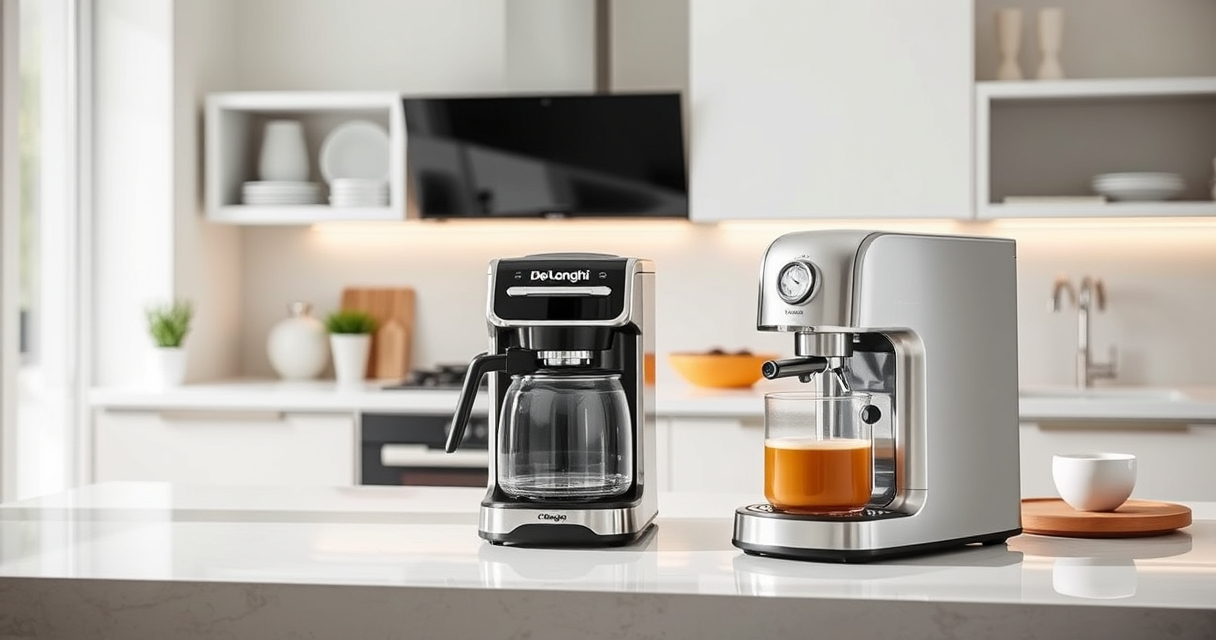

If your De’Longhi espresso machine is leaking water, it can disrupt your daily coffee routine and potentially cause damage. Understanding the common causes of leaks and knowing how to troubleshoot them can save you time and money. This guide provides clear, safe, and practical steps to identify and fix water leaks in your De’Longhi Magnifica Evo Next Fully Automatic Espresso Machine.
Whether the leak is coming from the water reservoir, the steam wand, or internal components, following these procedures will help you restore optimal performance and ensure your machine lasts longer.
Key Takeaways
| Identify the Leak Source | Pinpoint where the water is leaking from to determine the cause. |
| Check Water Reservoir & Connections | Ensure the reservoir is properly seated and the connections are secure. |
| Inspect Internal Components | Look for damaged seals, gaskets, or cracked hoses inside the machine. |
| Perform Regular Maintenance | Descale and replace filters to prevent buildup that causes leaks. |

De'Longhi Magnifica Evo Next Automatic Espresso Machine, Frother, Silver
- Top-Rated US Espresso Machine: Number one super automatic espresso maker in the US
- 13 One-Touch Recipes: Enjoy a variety of drinks at the touch of a button
- Built-In Conical Burr Grinder: 13 grind settings for optimal bean preparation
As an affiliate, we earn on qualifying purchases.
Step 1: Turn Off and Unplug the Machine
Before inspecting or attempting repairs, ensure your De’Longhi espresso machine is turned off and unplugged from the power outlet. This prevents electrical hazards and allows the machine to cool down, especially if it has been used recently. Wait at least 10-15 minutes to let internal components cool before proceeding.
Step 2: Check the Water Reservoir and Its Seal
- Remove the water reservoir carefully from the machine. Inspect the edges for cracks or damage.
- Examine the rubber gasket or seal around the reservoir for signs of wear, cracks, or dirt buildup.
- If the seal appears damaged or dirty, clean it with a damp cloth or replace the water filter (if used) to ensure a tight fit.
- Reinsert the reservoir securely, making sure it clicks into place and is properly aligned.
Step 3: Examine External and Internal Hoses
- Open the access panels or remove the side panels if your model allows. Use a screwdriver if necessary, following the user manual.
- Look for any cracked, loose, or disconnected hoses—especially those connected to the water inlet, steam wand, or internal valves.
- Check for water droplets or mineral buildup on hoses and fittings.
- If you find damaged hoses or loose fittings, tighten or replace them carefully.
Step 4: Inspect the Gaskets, Seals, and Valves
Leaking often occurs due to worn or damaged gaskets or seals. Focus on the areas around the brew group, steam wand, and water inlet valve. Replace any gaskets or seals that are cracked, hardened, or deformed. Refer to your machine’s manual for specific part numbers and replacement instructions.
Step 5: Descale Your Machine
Limescale buildup can cause internal blockages and leaks. Use a descaling solution compatible with De’Longhi machines, such as the EcoDecalk Descaler, following the manufacturer’s instructions. Regular descaling (every 2-3 months) maintains internal integrity and prevents leaks caused by mineral deposits.
Tips and Warnings for Safe Repair
- Always unplug the machine before performing any maintenance or repairs.
- Handle internal components gently to avoid further damage.
- If unsure about replacing internal parts, consult a professional technician.
- Use genuine replacement parts for gaskets, hoses, and filters to ensure proper fit and function.
- Follow the manufacturer’s instructions closely to avoid voiding your warranty.
The Products in This Guide
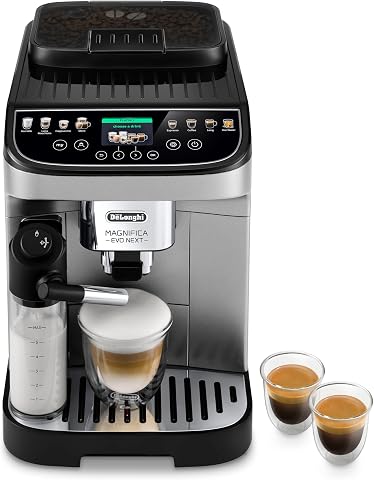
De’Longhi Magnifica Evo Next Fully Automatic Espresso Ma
- ✔ Power: 1450W
- ✔ Voltage: 120V
- ✔ Material: Plastic & Stainless Steel

De’Longhi Replacement Water Filter
- ✔ Filter Life: 2-3 months
- ✔ Weight: 4 oz
- ✔ Dimensions: 2 x 2 x 4 inches
De’Longhi Magnifica Evo Next Fully Automatic Espresso Ma
The De’Longhi Magnifica Evo Next Fully Automatic Espresso Machine is a top choice for coffee lovers. Its advanced features and durable build make it a favorite, but occasional leaks can occur due to wear or maintenance issues.
Pros:
- Built-in grinder with 13 settings
- Programmable for customized drinks
- Automatic milk frother
- User-friendly interface
Cons:
- Requires regular descaling
- Potential for internal leaks if not maintained
- Complex internal components may need professional repair
Best for: Home baristas seeking convenience and quality
Not ideal for: Users uncomfortable with internal maintenance or repairs
Bottom line: Regular maintenance and careful inspection can prevent water leaks and keep your De’Longhi espresso machine functioning perfectly.
De’Longhi Replacement Water Filter
Replacing your water filter regularly, such as with the De’Longhi Replacement Water Filter, helps prevent mineral buildup that can lead to leaks. It’s easy to install and ensures cleaner water for better-tasting coffee.
Pros:
- Improves water quality
- Prevents lime scale buildup
- Easy to install
- Compatible with select models
Cons:
- Requires replacement every few months
- Additional cost
- Limited to compatible models
Best for: Maintaining optimal water quality and machine performance
Not ideal for: If your machine is not compatible with this filter
Bottom line: Using a quality water filter helps prevent leaks caused by mineral deposits and keeps your coffee tasting fresh.
Frequently Asked Questions
Why is my De’Longhi espresso machine leaking water?
Leaking can be caused by a damaged water reservoir seal, cracked hoses, worn gaskets, or mineral buildup inside the machine. Regular maintenance can prevent many of these issues.
How often should I descale my espresso machine?
It’s recommended to descale your De’Longhi machine every 2-3 months, especially if you use hard water. Regular descaling prevents mineral buildup that can cause leaks and performance issues.
Can I fix internal leaks myself?
If you’re comfortable with basic repairs, you can inspect and replace gaskets, hoses, or seals. However, for complex internal issues, consulting a professional technician is safer to avoid further damage.
How do I prevent leaks after refilling the water reservoir?
Ensure the reservoir is properly seated and the gasket is clean and intact. Avoid overfilling and check for any cracks or damage before reinserting.
What maintenance can prevent future leaks?
Regularly descale the machine, replace filters as recommended, and inspect internal parts for wear and tear. Proper cleaning and timely part replacements extend the lifespan of your machine.
Keeping Your Coffee Flowing Smoothly
Water leaks in your De’Longhi espresso machine can often be prevented with regular maintenance and careful inspections. By following the troubleshooting steps outlined above, you can identify common issues early and address them safely. Remember, proper care not only prevents leaks but also ensures your machine produces the best-tasting coffee for years to come.
If problems persist or internal repairs seem complex, don’t hesitate to seek professional help to keep your espresso experience enjoyable and hassle-free.
Affiliate disclosure: As an Amazon Associate we earn from qualifying purchases. Prices and availability are accurate as of the time of publishing.