
When coffee sits out for too long, its aroma fades, and the flavor becomes flat, papery, and stale. Oxygen reacts with the volatile compounds, breaking down the rich aromas you initially enjoyed. Proper storage, like airtight containers, can slow this process, but once the coffee develops that dull, cardboard-like taste, it’s mostly lost. To understand why coffee changes over time and how to keep it fresh longer, keep exploring these factors.

Get coffee and tea gear delivered free — and shop member deals
- Fast, free delivery on millions of items
- Access to Prime Big Deal Days deals on October 6–7
- Prime Video, Amazon Music and more included
Key Takeaways
- Exposure to air causes aromatic compounds to break down, leading to a papery, stale flavor.
- Chemical reactions with oxygen accelerate aroma loss, resulting in a flat, dull taste.
- Improper storage allows aroma compounds to evaporate, worsening the stale, flavorless profile.
- Freshly brewed coffee retains complex aromas, but these diminish quickly over time.
- Consuming old coffee results in diminished vibrancy and an unpleasant, stale aftertaste.
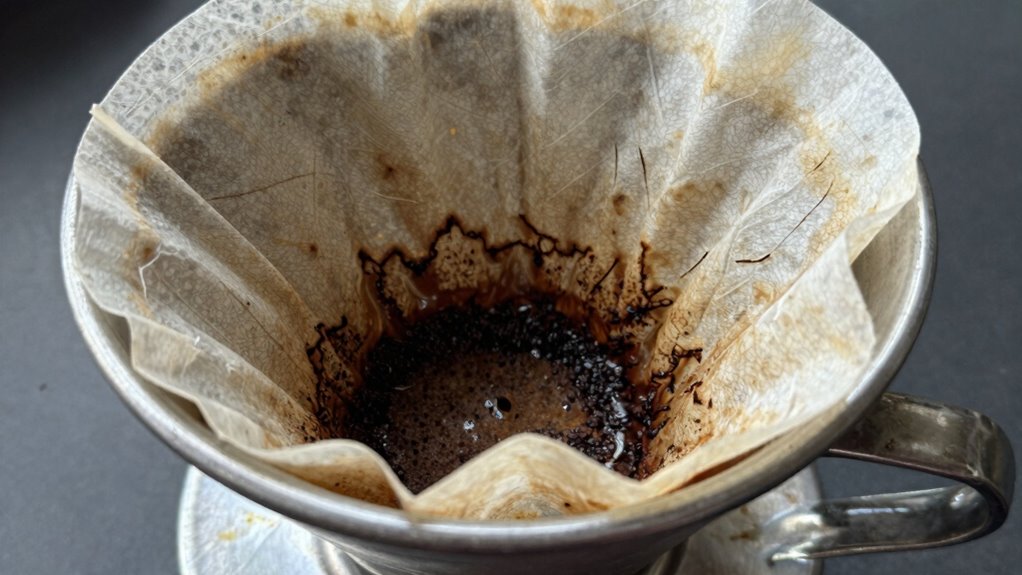
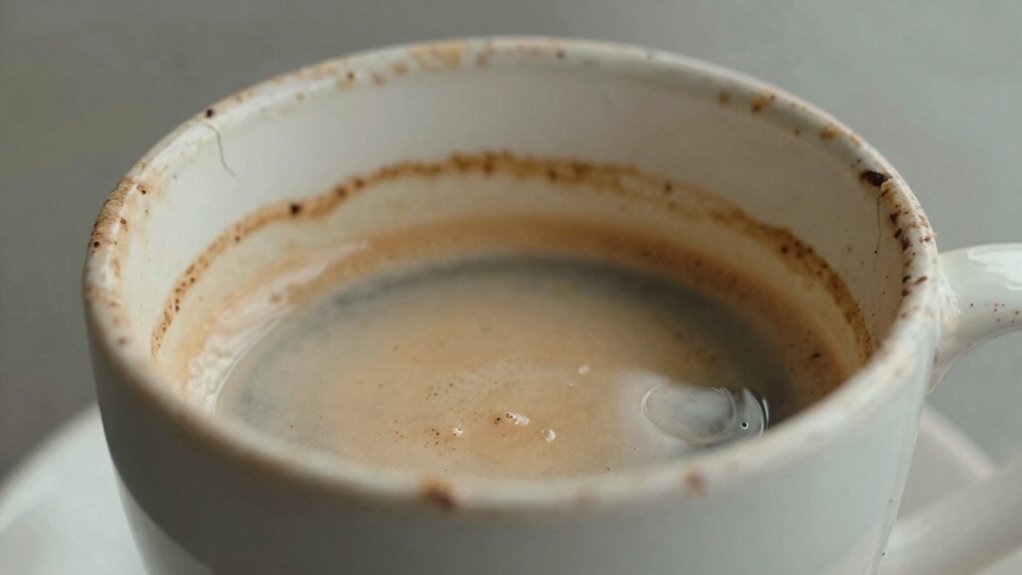
When coffee sits out for too long, its flavor begins to change in ways that can surprise even seasoned drinkers. The moment you leave your coffee exposed to air, the delicate balance of its coffee aroma starts to fade. What once had a vibrant, inviting smell now often turns dull and flat. That initial burst of aromatic richness diminishes, replaced by a muted scent that signals the coffee is past its prime. This shift in coffee aroma is a clear sign that the coffee has begun to lose its freshness.
As time passes, the process of freshness preservation becomes more difficult. Freshly brewed coffee, when enjoyed immediately, retains its vibrant flavors and complex aroma notes. But once it sits out, oxygen interacts with the volatile compounds responsible for the coffee’s aroma, causing them to break down or evaporate. This results in that characteristic papery, stale smell that many recognize when coffee has gone bad. The difference between a fresh cup and an old one often comes down to how well you’ve managed to preserve its freshness from the moment it’s brewed. Proper storage techniques, such as using airtight containers, can help slow this process and preserve the coffee’s original qualities longer.
To avoid this, you need to actively preserve the freshness of your brew. Covering your coffee, storing it in a thermal carafe, or consuming it promptly are simple ways to keep its aroma and flavor intact longer. Additionally, understanding the chemical reactions that occur when coffee sits out can help you better appreciate why freshness is so crucial. Recognizing the importance of proper storage can significantly extend the enjoyable life of your coffee. Once coffee begins to sit out, it’s hard to restore those lost qualities. The longer it’s exposed, the more its vibrant, fresh notes diminish, and the more it takes on that stale, papery flavor. So, if you want to truly enjoy your coffee, pay attention to how you store it and how quickly you drink it. Freshness preservation is key to maintaining that lively coffee aroma and preventing the flat, stale taste that signals your brew has lost its vitality.
airtight coffee storage container
As an affiliate, we earn on qualifying purchases.
As an affiliate, we earn on qualifying purchases.
Frequently Asked Questions
Can Old Coffee Still Be Safe to Drink?
Old coffee is generally safe to drink, but its flavor will be compromised. When you notice a dull or flat aroma, it indicates the beans have lost their freshness, affecting the taste. If the coffee smells off or sour, discard it to avoid any potential health risks. While unlikely to harm you, drinking stale coffee doesn’t offer the pleasant experience of fresh brews, so it’s best to enjoy coffee while its aroma and flavor are still vibrant.
Does the Type of Coffee Affect How It Ages?
You might think all coffee ages the same, but actually, coffee bean varieties markedly influence how it’s affected by the aging process. Lighter roasts tend to lose freshness faster, while darker roasts hold their flavor longer. The aging process impacts their aroma and taste differently depending on the bean type. So, your favorite variety’s unique properties determine how quickly it develops that stale, flat, or papery flavor, affecting your brewing experience.
Is There a Way to Revive Stale Coffee?
Yes, you can revive stale coffee by quickly reheating it, which helps with aroma retention and restoring some flavor. Add a pinch of salt or a dash of cinnamon to improve flavor preservation. Using a French press or pour-over method can also enhance aroma retention and refresh the taste. Keep in mind, though, that these tricks only work temporarily; fresh coffee is best for ideal flavor and aroma.
How Long Does Coffee Typically Stay Fresh?
Coffee’s freshness is like a fleeting sunset—bright but brief. Typically, it stays fresh for about 30 minutes to an hour after brewing if you want peak coffee aroma. If you’re storing brewed coffee, aim to consume it within 12 hours for ideal flavor and freshness indicators. Ground coffee, however, remains fresh for about 1-2 weeks when stored properly. Always trust your senses—if it smells off, it’s time to brew anew.
Do Storage Containers Impact Coffee Freshness?
Yes, storage containers impact coffee freshness considerably. You should choose a container that preserves the coffee aroma and blocks air, light, and moisture. Materials like opaque, airtight containers made of ceramic or stainless steel work best because they prevent flavor loss. Avoid clear plastic containers, which can let in light and cause the coffee to go stale faster. Proper storage keeps your coffee tasting fresh longer.
Conclusion
Next time you notice that papery, flat, or stale flavor in your coffee, remember it’s the result of oxidation and aging. Surprisingly, studies show that coffee can lose up to 30% of its original flavor within just 24 hours of brewing if not stored properly. So, savor your brew fresh—because that vibrant aroma and rich taste are fleeting. Keep it fresh, and each cup will remind you why coffee remains such a beloved morning ritual.
Halloween Picks
halloween
As an affiliate, we earn on qualifying purchases.