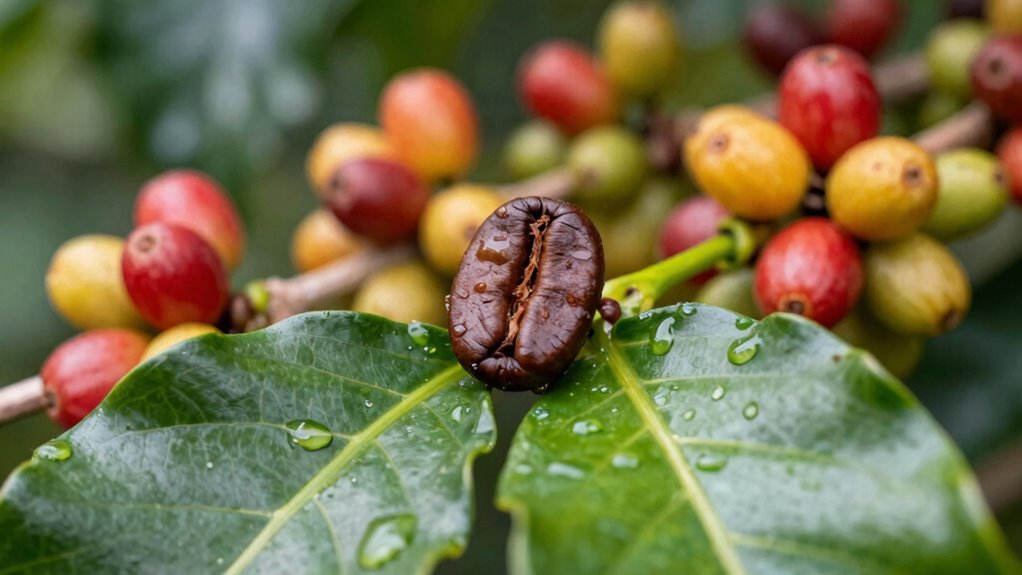

Robusta has long been seen as rough, bitter, and less refined than Arabica, mainly used in inexpensive blends and instant coffee. But its reputation is shifting as enthusiasts discover its bold flavor, earthy notes, and resilience against climate challenges. Producers are now exploring new processing methods to highlight its complexities, making Robusta more versatile and valuable. If you want to understand how this change is transforming the coffee world, there’s more to uncover ahead.

Get coffee and tea gear delivered free — and shop member deals
- Fast, free delivery on millions of items
- Access to Prime Big Deal Days deals on October 6–7
- Prime Video, Amazon Music and more included
Key Takeaways
- Historically viewed as rough and less refined compared to Arabica, mainly used in inexpensive blends.
- Increasing appreciation for Robusta’s bold flavor and unique characteristics among enthusiasts and specialty producers.
- Climate resilience and sustainability benefits make Robusta a cost-effective and reliable crop amid environmental challenges.
- Improved processing and roasting techniques are highlighting complex flavor profiles, elevating its premium appeal.
- Growing consumer demand for stronger, distinctive coffees is reshaping Robusta’s reputation from low-quality to versatile and valuable.
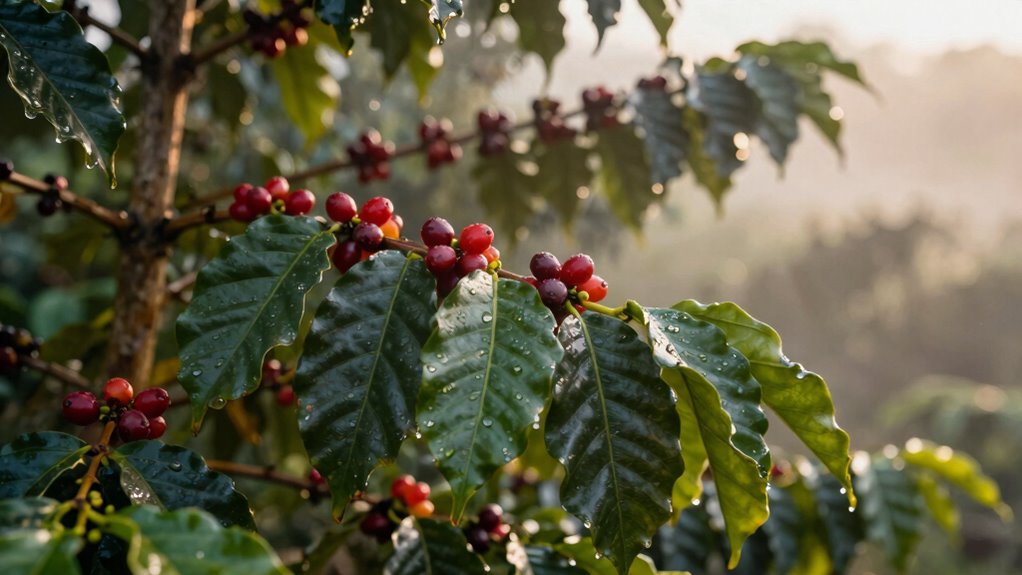
For years, Robusta coffee faced a reputation overshadowed by its smoother counterpart, Arabica. People often viewed it as the rougher, less refined option, mainly because of its bold flavor profile and stronger, more bitter taste. Its high caffeine content and earthy, nutty notes made it less appealing to casual coffee drinkers who preferred the delicate, nuanced flavors of Arabica. As a result, Robusta was primarily used in instant coffee and inexpensive blends, limiting its market demand to budget-conscious consumers and industrial applications. The perception was that it lacked sophistication and finesse, which kept it on the margins of the specialty coffee scene.
Robusta’s bold, bitter flavor once overshadowed by Arabica’s finesse, limited its appeal to budget blends and industrial use.
However, in recent years, that perception has started to shift. Coffee enthusiasts and industry insiders are beginning to recognize Robusta’s unique qualities and potential. Its flavor profile, characterized by a heavier body, a distinct bitterness, and often a spicy or woody undertone, appeals to those seeking a more robust and intense coffee experience. As consumers become more adventurous and open to exploring different tastes, Robusta’s boldness is increasingly appreciated. Meanwhile, specialty coffee producers are experimenting with different processing methods, such as single-origin Robusta beans and innovative brewing techniques, to unlock and highlight its complex flavors. This shift is helping elevate Robusta from its previous reputation as a low-quality, utilitarian coffee. Additionally, climate resilience is becoming an increasingly important factor in the industry’s shift toward Robusta, as it offers a sustainable alternative amid climate change concerns affecting traditional Arabica cultivation. This resilience also makes Robusta a cost-effective choice for many producers looking to adapt to changing environmental conditions. Furthermore, new research into flavor development techniques is revealing how processing and roasting can enhance Robusta’s taste profile, making it more appealing to a broader audience.
The market demand for Robusta is also changing as coffee drinkers seek variety and stronger options. Its resilience and lower cost make it attractive for coffee brands aiming to create affordable, high-caffeine products. Additionally, as the global coffee industry faces climate challenges affecting Arabica cultivation, Robusta’s hardiness becomes more valuable. Farmers see it as a reliable crop that can withstand harsher growing conditions, ensuring a steady supply and fostering increased investment. This growing interest is prompting producers to improve the quality of Robusta beans and market them as a premium product, not just a budget alternative. Furthermore, the rising demand for distinctive flavors is helping redefine Robusta’s role in the market, encouraging more innovative approaches to its cultivation and processing. As you explore the evolving landscape of coffee, you’ll notice that Robusta’s reputation is gradually transforming. No longer just the “cheap” option, it’s gaining recognition for its bold flavor profile and versatility. Its rising market demand reflects a shift in consumer preferences—toward stronger, more distinctive coffees—and a broader acceptance of Robusta’s potential. So, what was once considered an inferior choice is now being rediscovered as a valuable, even sophisticated, component of the coffee world.
As an affiliate, we earn on qualifying purchases.
Frequently Asked Questions
How Does Robusta Compare to Arabica in Caffeine Content?
Robusta has higher caffeine levels than Arabica, making it more bitter and stronger in flavor. You’ll notice Robusta’s bold, earthy flavor profile, which contrasts with Arabica’s sweeter, more nuanced taste. If you seek a caffeine kick, Robusta is the way to go. Its robust nature means it packs a punch, providing a more intense experience, especially if you prefer a sharper, more vigorous coffee.
What Are the Environmental Impacts of Robusta Cultivation?
Robusta cultivation impacts the environment through intensive farming practices that can threaten biodiversity. You can promote sustainable farming by reducing chemical use and conserving water. Pest management is essential, as robusta plants are more resistant to pests, but overreliance on pesticides harms ecosystems. By adopting eco-friendly pest control methods and sustainable practices, you help minimize environmental damage, ensuring healthier landscapes and long-term coffee production.
Are There Specific Regions Known for High-Quality Robusta?
You’ll find high-quality Robusta mainly in regions like Vietnam, Indonesia, and parts of Africa, where Robusta cultivation regions thrive. These areas are known for producing beans with bold Robusta flavor profiles, often with earthy, nutty, and chocolatey notes. While some see Robusta as less refined, these regions are changing perceptions by cultivating beans with exceptional quality, proving that Robusta’s reputation is due for a fresh update.
How Has Coffee Technology Influenced Robusta’s Reputation?
Coffee technology has markedly improved robusta’s reputation by enhancing flavor profiles and processing methods. Modern roasting and brewing techniques reveal more nuanced, less bitter flavors, shifting perceptions. Advanced processing methods like wet and honey processing help highlight robusta’s unique characteristics, making it more appealing. As technology evolves, you’ll notice a richer, smoother cup, encouraging you to appreciate robusta beyond its traditional reputation for bitterness.
What Are Emerging Markets Driving Robusta’s Changing Perception?
You might think emerging markets prefer premium Arabica, but surprisingly, they’re driving robusta’s changing perception. Thanks to market diversification and evolving consumer preferences, robusta now appeals for its bold flavor and affordability. Countries in Africa and Asia embrace it, challenging old stereotypes. Ironically, these markets are reshaping reputation, proving that robusta’s reputation isn’t just about quality but also about adaptability and meeting new tastes.
Conclusion
Just as Robin Hood challenged the status quo, Robusta is rewriting its story, shedding old stereotypes and embracing new value. You now see a bean once dismissed as rough and unrefined, but with resilience and versatility. As the landscape of coffee evolves, so does Robusta’s reputation—proof that even underdogs can rise, rewrite their narrative, and prove that strength and character are worth savoring. The future of Robusta is truly unfolding before your eyes.
Fall Picks
fall essentials
As an affiliate, we earn on qualifying purchases.