
To prevent a muddy, overly strong, or weak cold brew concentrate, get your coffee-to-water ratio just right. Starting with a common 1:4 ratio (one part coffee to four parts water) is a good baseline. Adjust the strength by increasing or decreasing the coffee amount based on your taste and dilution preferences. Perfecting this balance guarantees a smooth, clear brew. Stay with us to discover more helpful tips on maintaining consistent, flavorful cold brew.
Key Takeaways
- Use a standard coffee-to-water ratio of 1:4 to 1:5 to prevent over-concentration and muddiness.
- Adjust ratios based on preferred strength; higher ratios yield stronger, less muddy concentrates.
- Properly grind coffee medium-coarse to ensure even extraction and avoid sediment issues.
- Dilute the concentrate appropriately after brewing to achieve clarity and prevent muddiness.
- Record your ratios and dilution preferences to maintain consistent, smooth cold brew results.
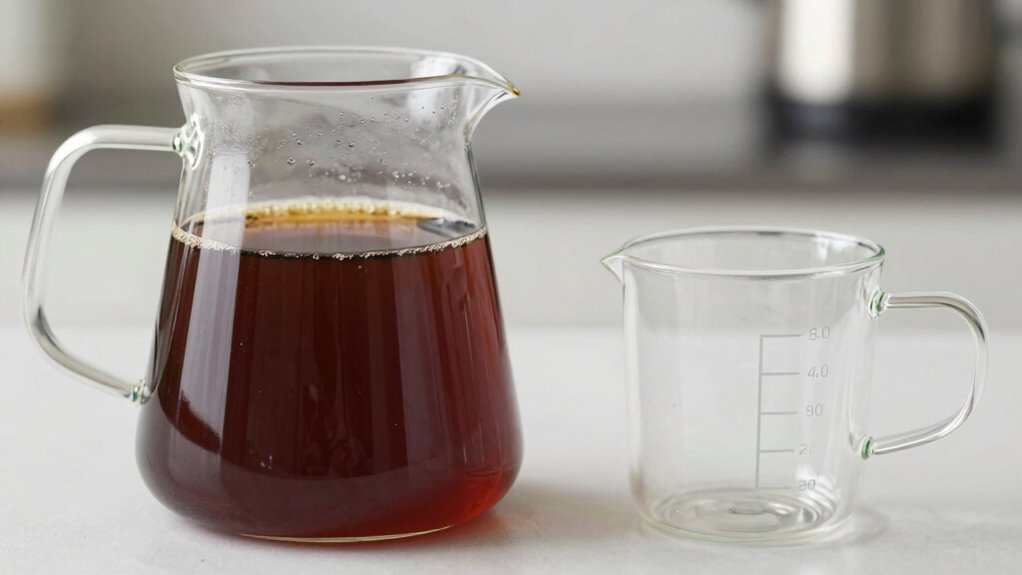
When making cold brew coffee, understanding the right coffee-to-water ratio is essential to achieving your preferred flavor and strength. This ratio directly impacts your brew strength, determining whether your coffee ends up too weak, overly strong, or muddy with sediment. Getting this right means you’ll enjoy a smooth, balanced concentrate that can be diluted to your liking. The key is knowing how much coffee to use relative to water and how to adjust it through dilution techniques when you serve it.
Typically, a common starting point is a 1:4 ratio—one part coffee to four parts water—producing a medium-strength concentrate. But this isn’t set in stone; you can tweak it depending on your taste preferences or how you plan to consume the brew. If you like a more intense flavor, increase the coffee ratio to 1:3 or even 1:2. Conversely, if you prefer a lighter cup, go for a 1:5 or 1:6 ratio. The goal is to find a balance that prevents your concentrate from being too muddy or overly bitter. Too much coffee can lead to a thick, gritty texture or a brew that’s hard to dilute properly, resulting in a muddy concentrate. Too little, and your coffee might taste weak or watery once diluted.
Start with a 1:4 coffee-to-water ratio and adjust for desired strength.
Dilution techniques are your friends here. Once you’ve brewed your concentrate, you can adjust the strength by adding water, milk, or a milk alternative to taste. This approach allows you to customize each cup without overcomplicating the initial brew. For example, starting with a stronger concentrate gives you more flexibility—diluting it slightly for a mild morning coffee or more for a robust afternoon pick-me-up. It’s a simple method that helps prevent muddy concentrates, which often occur when the coffee-to-water ratio is off or when the brew is overly concentrated and not properly diluted.
Additionally, understanding free floating sediment and how it influences clarity can help you refine your process for a cleaner brew. Another tip is to keep records of your ratios and dilution preferences. Over time, you’ll learn what works best for your palate, whether you prefer a more potent brew or a lighter, more refreshing drink. Also, consider the grind size and steeping time, as these factors influence extraction and brew strength, indirectly affecting how much you need to dilute. By mastering the math behind your cold brew ratios and employing effective dilution techniques, you’ll consistently produce a clean, flavorful coffee without muddy sediments or overly weak brews.

Mueller RapidBrew Cold Brew Iced Coffee Maker – 10 Min Fast Brew Portable Rechargeable Cold Brew Machine for Coffee & Tea – Adjustable Strength 10-99 Min – 20 Servings Per Charge, Mineral Blue
⚡ Brew in a Flash – No More Overnight Waiting! Who has 12 hours to wait for cold…
As an affiliate, we earn on qualifying purchases.
As an affiliate, we earn on qualifying purchases.
Frequently Asked Questions
How Long Should Cold Brew Steep for Optimal Flavor?
You should steep your cold brew for about 12 to 24 hours for ideal flavor extraction. This steeping duration allows the coffee to develop a smooth, well-rounded taste without becoming bitter or over-extracted. If you prefer a milder flavor, stick closer to 12 hours. For a stronger, more intense brew, extend the steeping time up to 24 hours, ensuring you avoid over-steeping, which can lead to a muddy or bitter concentrate.
Can I Adjust Ratios for Different Coffee Bean Types?
Yes, you can adjust ratios based on bean varieties and flavor profiles. For example, if you’re using a light roast with delicate flavors, try a slightly higher coffee-to-water ratio to enhance richness. For bold, darker beans, a lower ratio prevents over-extraction and muddiness. Experiment with small adjustments until you find the perfect balance for each bean type, ensuring your cold brew captures its unique character.
What Equipment Is Best for Measuring Precise Ratios?
You should use a high-quality scale with excellent accuracy to measure your cold brew ratios precisely. Look for measurement tools that offer at least 0.1-gram accuracy to guarantee consistency, especially when adjusting ratios for different beans. A digital scale with tare function is ideal, as it allows you to measure ingredients directly in your brewing vessel without fuss. Reliable scale accuracy helps prevent muddy concentrates and guarantees perfect results every time.
How Does Grind Size Affect the Brewing Ratio?
You’ll find that grind size directly impacts your brewing ratio—smaller, consistent particles extract more flavor, which can lead to a stronger brew if ratios stay the same. Studies show grind consistency improves extraction by 20%, so particle size matters. When your grind is too fine or inconsistent, it’s easy to end up with a muddy concentrate. Adjusting grind size guarantees your ratio yields a smooth, well-balanced cold brew without over-extraction.
Are There Health Benefits to Different Cold Brew Ratios?
Yes, different cold brew ratios can impact health benefits and nutritional content. Using a higher coffee-to-water ratio may boost antioxidants and caffeine intake, providing more energy and potential health perks. Conversely, a lower ratio reduces caffeine and acidity, which can benefit those sensitive to its effects. Adjusting your ratio helps you control your intake, supporting your health goals while enjoying the rich flavors of cold brew.

Roast Ridge Ground Cold Brew Coffee Blend, Medium Roast, 2 lb.
PREMIUM MEDIUM ROAST COFFEE: We have carefully selected the beans in this blend to create the classic and…
As an affiliate, we earn on qualifying purchases.
As an affiliate, we earn on qualifying purchases.
Conclusion
Think of cold brew ratios as a dance between you and your coffee. When you find the right steps, the dance flows smoothly, and your brew shines without getting muddled. Stick to the simple math, and you’ll always lead confidently. With practice, you’ll master this rhythm, turning each cup into a perfect performance. So, keep your rhythm steady, and let your coffee dance beautifully—no muddy missteps allowed.

Starbucks Cold Brew Coffee Concentrate, Signature Black Iced Coffee, 32 fl oz
PREMIUM COLD BREW COFFEE: Enjoy the Starbucks cold brew coffee you love at home with this 32-fluid ounce…
As an affiliate, we earn on qualifying purchases.
As an affiliate, we earn on qualifying purchases.
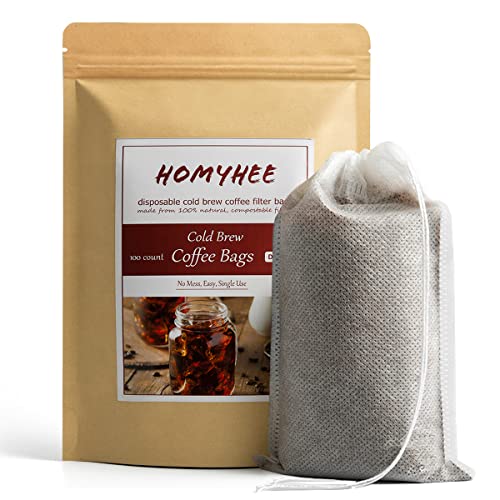
HOMYHEE No Mess Cold Brew Coffee Filters – 100 Count Disposable Fine Mesh Brewing Bags for Concentrate/Iced Coffee Maker, French/Cold Press Kit, Hot Tea in Mason Jar or Pitcher, 4 x 6 Inches
Easy Use Cold Brew Coffee Filter Bags – over 1 cup capacity bags (4" x 6"), Recommended 100g…
As an affiliate, we earn on qualifying purchases.
As an affiliate, we earn on qualifying purchases.