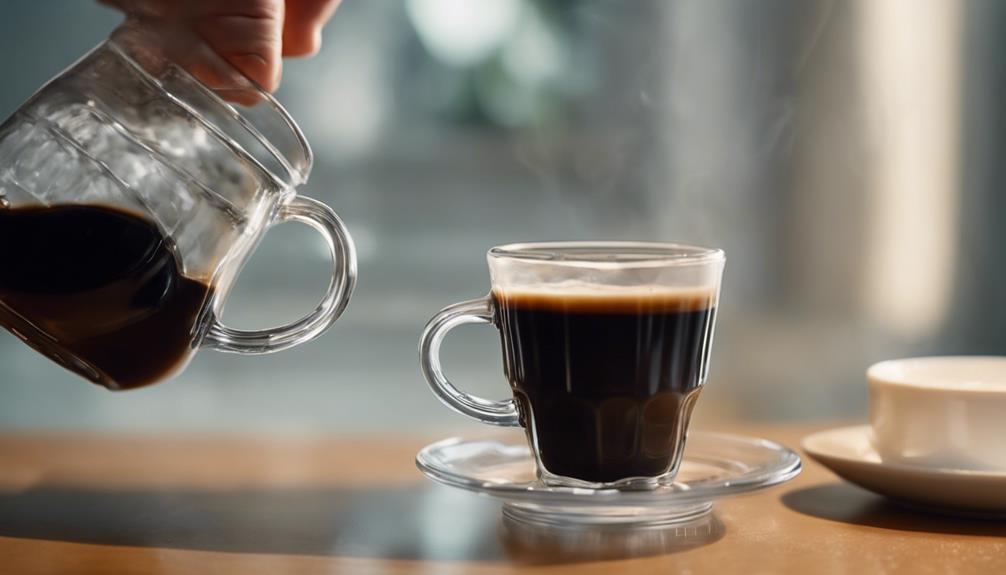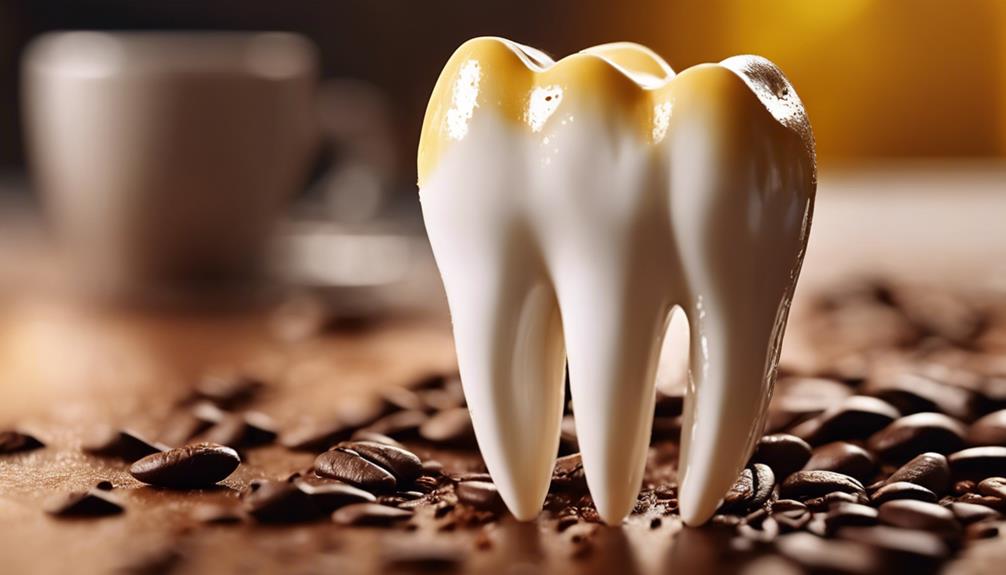

When it comes to coffee and intermittent fasting, black coffee is usually fine since it contains almost no calories and doesn’t spike insulin levels. However, adding cream, sugar, or flavored syrups introduces calories that can break your fast and diminish its benefits. To keep your fast intact, stick to plain black coffee. If you want to discover more about what can affect your fast, keep exploring the details below.
Key Takeaways
- Drinking plain black coffee generally does not break a fast due to its minimal calories.
- Adding cream, sugar, or flavored syrups introduces calories that can disrupt fasting benefits.
- Caloric additives may spike insulin levels and negate metabolic advantages of fasting.
- Excessive caffeine intake can cause dehydration, stomach discomfort, or jitteriness during fasting.
- Maintaining hydration and avoiding calorie-rich additives helps preserve fast integrity.
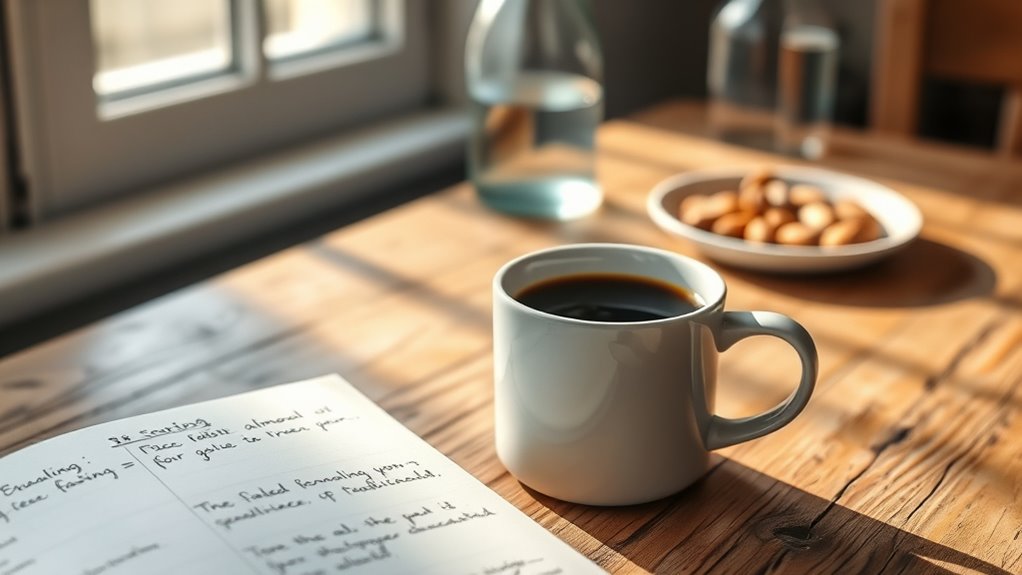
Many people enjoy their morning coffee, especially when practicing intermittent fasting, but you might wonder if it breaks your fast. Coffee is often seen as a helpful companion during fasting periods because it can suppress appetite, boost energy, and improve mental clarity. These beneficial effects make it a popular choice for many fasting enthusiasts. However, it’s important to understand what truly breaks a fast, as some additives or methods can undermine your efforts.
Plain black coffee contains almost no calories, which generally means it doesn’t break your fast. Its minimal calorie content keeps insulin levels stable, allowing you to reap the benefits of fasting without interruption. Drinking black coffee can help you stay alert during long fasting periods, reduce hunger pangs, and support fat-burning processes. Many people find that a cup in the morning enhances their fasting experience without compromising the benefits. Still, it’s essential to be mindful of what you add to your coffee, as creamers, sugar, or flavored syrups can add calories and spike insulin, potentially breaking your fast. Even small amounts of milk or sweeteners can add up and diminish some of the metabolic benefits that fasting offers.
On the flip side, there are potential drawbacks to drinking coffee while fasting. For some individuals, caffeine may cause dehydration, stomach discomfort, or increased heart rate, especially on an empty stomach. Additionally, excessive coffee intake can lead to jitters or anxiety, which may interfere with your focus or overall well-being during fasting. There’s also the concern that some people might develop a dependency on caffeine, making fasting more difficult if they’re used to their daily coffee fix. While moderate coffee consumption is generally safe, overdoing it could undermine the mental and physical benefits you seek from fasting.
In addition, hydration is an important factor to consider, as caffeine may contribute to dehydration if consumed in excess.

Strong Coffee Co. Instant Black Coffee | Premium Organic Coffee with Nootropics & Adaptogens, NeuroFactor®, L-Theanine, Ashwagandha, Reishi & MCT Oil | No Jitters, No Crash (1, 30 Servings)
STRONG COFFEE COMPANY BLEND – Bold, smooth Arabica coffee proudly made in the USA. Our instant coffee mixes…
As an affiliate, we earn on qualifying purchases.
As an affiliate, we earn on qualifying purchases.
Frequently Asked Questions
Does Decaffeinated Coffee Break a Fast?
Decaffeinated coffee generally doesn’t break your fast because it contains minimal calories and no significant nutrients. If you’re concerned about decaffeinated concerns, rest assured it’s fasting compatible and unlikely to interfere with your goals. Just avoid adding sugar or creamer, as those can introduce calories. Stick to plain decaf coffee to enjoy its benefits without disrupting your fast. It’s a safe, satisfying choice during fasting periods.
Can Flavored Coffee Ruin My Fasting Benefits?
Flavored coffee can potentially ruin your fasting benefits if it contains added sugars or artificial flavorings. These additives can spike insulin levels and break your fast. To preserve your fasting benefits, opt for plain black coffee or brew flavored coffee at home with natural ingredients like cinnamon or vanilla extract. Always check labels and avoid sweetened or artificially flavored options to maximize the benefits of your fast.
How Much Creamer Is Acceptable During Fasting?
You can usually have about one to two tablespoons of acceptable creamer during fasting without breaking it. Stick to creamer with minimal calories and no added sugars, as these can spike insulin and break your fast. Keep your creamer quantity limited, and opt for options like unsweetened almond or coconut milk for better fasting benefits. Monitoring your intake helps maintain the integrity of your fast while still enjoying your coffee.
Is Black Coffee Enough to Suppress Appetite?
Imagine your stomach as a fire needing just enough fuel to stay warm. Black coffee acts like a gentle breeze, helping suppress your appetite without fueling the flames. For many, caffeine tolerance varies, but black coffee boosts liver metabolism and signals your brain to curb hunger. It’s often enough to keep cravings at bay during fasting, making it a simple, effective way to manage appetite without breaking your fast.
Does Coffee Affect Insulin Levels During Fasting?
Coffee can slightly affect your insulin response during fasting, especially if you add sugar or creamer. Pure black coffee has minimal impact because caffeine metabolism doesn’t cause a significant insulin spike. However, individual responses vary, so monitor how your body reacts. Keep it black and unsweetened to avoid disrupting your fast, and remember that caffeine may increase your alertness without substantially raising insulin levels.
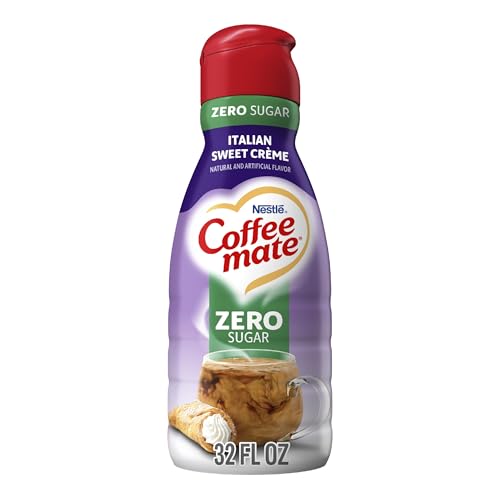
Coffee Mate Italian Sweet Crème Flavored Coffee Creamer, Zero Added Sugar, Gluten-Free, 63 Servings 32 fl oz
FOR THE LOVE OF COFFEE Ditch your boring coffee routine and upgrade your brew game with our Coffee…
As an affiliate, we earn on qualifying purchases.
As an affiliate, we earn on qualifying purchases.
Conclusion
Just like a lighthouse guides ships safely through darkness, understanding what breaks your fast keeps your health journey on course. Coffee, with its black clarity, can be your steadfast companion—if you choose it wisely. Remember, every sip is a step on your path, so stay mindful of what you add. Keep your focus sharp, like a sailor steering through treacherous waters, and your fasting will stay true, leading you toward your goals.

Torani Sugar Free Flavored Drink Syrup Soda Flavors Variety Pack, Raspberry, Coconut, Strawberry & Peach, 25.4 fl oz, (Set of 4)
This selection of sugar free, zero calorie syrups are ideal for Italian sodas, flavored iced teas and lemonades;…
As an affiliate, we earn on qualifying purchases.
As an affiliate, we earn on qualifying purchases.
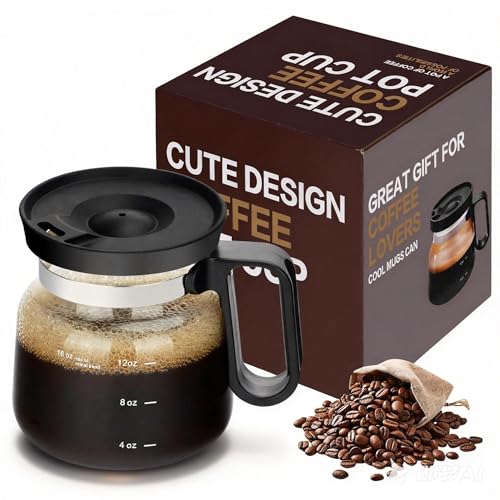
16 Oz Coffee Pot Mug,Mini Coffee Pot Cup,with Spill Proof Lid Heatproof Glass Mug Large Capacity ideal Gift for Coffee Lovers (1pcs)
[Mini Classic Coffee Pot] — This 16 oz glass mug mimics the look of a traditional coffee pot,…
As an affiliate, we earn on qualifying purchases.
As an affiliate, we earn on qualifying purchases.