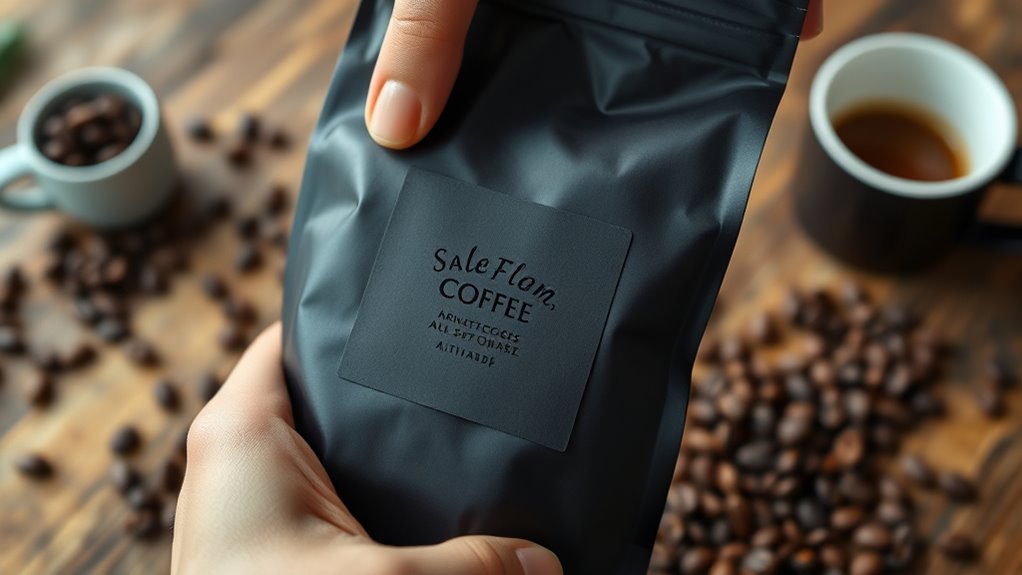

When you look at coffee labels, pay attention to details like varietal, process, and altitude. The varietal indicates the specific coffee plant type, shaping flavor and aroma. The process (washed, natural, honey) affects the flavor profile, from bright and clean to fruity or sweet. Altitude shows where the coffee was grown, influencing brightness and complexity. Knowing these elements helps you select beans that match your taste. Exploring these details further will deepen your understanding of what makes each cup unique.

Get coffee and tea gear delivered free — and shop member deals
- Fast, free delivery on millions of items
- Access to Prime Big Deal Days deals on October 6–7
- Prime Video, Amazon Music and more included
Key Takeaways
- Look for details on varietal to understand the coffee’s flavor profile, such as Bourbon or Geisha.
- Check the process (washed, natural, honey) to predict taste characteristics and clarity.
- Note the altitude or elevation to gauge potential brightness and complexity.
- Recognize how growing conditions influence flavor, based on region and environment info on the label.
- Use label details to select coffees matching your preferred taste preferences and brewing style.

Have you ever looked at a coffee label and felt overwhelmed by the information? It’s common to see details like varietal, process, and altitude, and wonder what they all mean for your cup. Understanding these elements helps you choose better coffee and appreciate its unique qualities. Let’s start with varietal, which refers to the specific type of coffee plant, like Bourbon, Geisha, or SL28. Each varietal has its own flavor profile, which influences the taste, aroma, and body of the brew. For example, single origin beans from Ethiopia often feature bright citrus and floral notes, while Colombian beans might offer a balanced, nutty sweetness. Recognizing the varietal gives you insight into what flavors to expect, making your coffee experience more intentional.
Next, consider the process, which refers to how the coffee beans are prepared after harvest. Common methods include washed (or wet), natural (or dry), and honey processing. Washing involves removing the fruit before drying, resulting in cleaner, brighter flavors. Natural processing leaves the fruit on the bean as it dries, often producing more fruity or wine-like notes. Honey processing is a hybrid, where some fruit remains, creating a balance between brightness and sweetness. Your choice of process impacts the flavor profile profoundly, and understanding it helps you select coffees that match your taste preferences. Coffee labels often specify the process, giving you clues about the flavor complexity to expect.
Altitude also plays an essential role in coffee quality. Beans grown at higher elevations typically develop more complex flavors because cooler temperatures slow maturation, allowing the beans to absorb more nuanced characteristics from the environment. These coffees often have brighter acidity and vibrant flavor profiles. For example, high-altitude beans from Central America might showcase crisp citrus and floral qualities, whereas lower-altitude coffees are usually earthier or bolder. When you see altitude listed on a label, it indicates the growing conditions that contribute to the overall flavor experience. It’s a key detail for those seeking specific taste profiles or aiming to explore different regional nuances. Additionally, proper harvesting techniques ensure the beans reach optimal ripeness, which significantly influences flavor development.
Putting it all together, reading coffee labels isn’t just about identifying the origin; it’s about understanding how varietal, process, and altitude shape what’s in your cup. If you focus on single origin beans, you gain a clearer picture of flavor profiles tied to specific regions and cultivation methods. This knowledge empowers you to select coffees that align with your preferences, whether you’re craving bright, fruity, or bold, earthy flavors. The next time you pick up a bag, take a moment to decode what’s written—each detail reveals a story about the coffee’s journey and what you can expect to enjoy in your cup.
specialty coffee beans by varietal
As an affiliate, we earn on qualifying purchases.
As an affiliate, we earn on qualifying purchases.
Frequently Asked Questions
How Does Climate Change Affect Coffee Varietals?
Climate change impacts coffee varietals by altering growing conditions, making some less resilient. You’ll notice that farmers adapt through climate adaptation strategies, selecting more resilient varietals to withstand higher temperatures and unpredictable weather. This shift enhances varietal resilience, ensuring coffee production remains sustainable. By understanding these changes, you can appreciate how climate change influences coffee choices, quality, and flavor, emphasizing the importance of adaptable farming practices for future coffee cultivation.
What Are the Environmental Impacts of Different Processing Methods?
Different processing methods impact the environment variably. Wet processing uses significant water, so sustainable farming practices emphasize water conservation to reduce waste. Dry processing requires less water but can increase pollution if not managed properly. You can support eco-friendly coffee by choosing brands that prioritize sustainable farming and water conservation, minimizing environmental harm. By understanding these methods, you help promote more sustainable coffee production while protecting natural resources.
How Does Altitude Influence Coffee Flavor Profiles?
Altitude plays a key role in shaping coffee flavor profiles. When you grow coffee at higher altitudes, the beans develop more acidity, giving you bright, vibrant flavors. These highland coffee beans often have complex, layered taste profiles with crisp, clean notes. The cooler temperatures slow the maturation process, enhancing the beans’ aromatic qualities. So, as you enjoy a high-altitude coffee, you’re experiencing a cup with lively acidity and distinctive, nuanced flavors.
Can Coffee Labels Indicate Fair Trade or Organic Certifications?
You might notice fair trade labels or organic certifications on coffee bags, and yes, they do indicate specific standards. These labels verify that the coffee was produced ethically and sustainably, supporting fair wages and environmentally friendly practices. When you see fair trade labels or organic certifications, you’re choosing coffee that aligns with social and ecological responsibility, ensuring your purchase promotes better working conditions and healthier farming methods.
Are There Regional Differences in Coffee Labeling Standards?
Yes, regional differences in coffee labeling standards exist, influenced by local regulations and customs. You’ll notice regional naming conventions that reflect specific origins or growing areas, but labeling transparency can vary. Some regions have strict standards, ensuring clear details about the coffee’s provenance, while others may be more flexible. Paying attention to regional cues helps you understand the coffee’s background and quality, making your selection more informed and satisfying.
Conclusion
Now that you know how to read coffee labels, you hold the map to your perfect brew. Each detail—varietal, process, altitude—is like a thread in a rich tapestry, revealing the coffee’s story. Think of yourself as a detective uncovering hidden treasures in every bag. With this knowledge, you’ll savor each sip more deeply, turning your coffee experience into an adventure where every cup tells a vibrant, flavorful story just waiting to be discovered.
Fall Picks
fall essentials
As an affiliate, we earn on qualifying purchases.