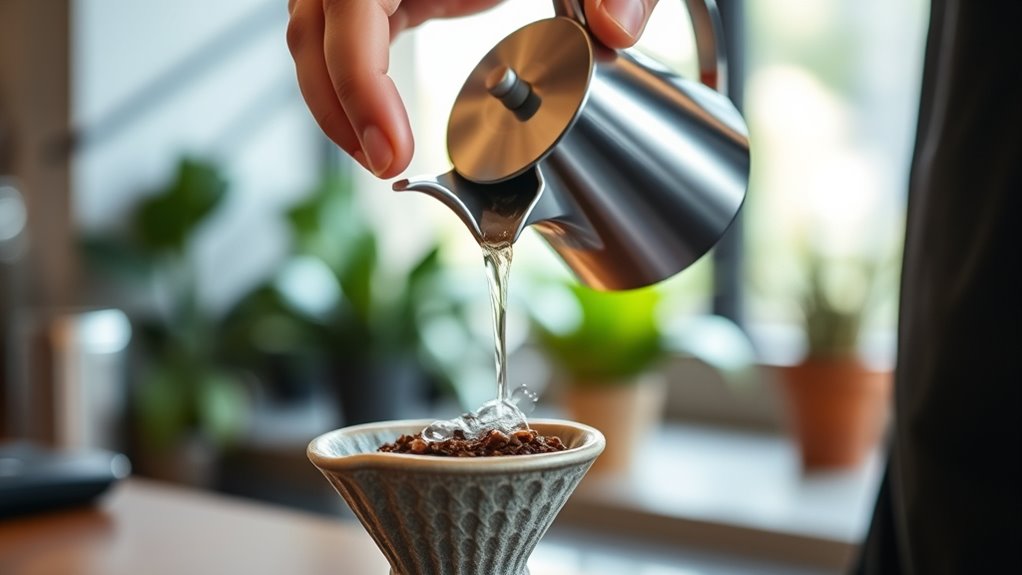

To brew strong beers without bitterness, focus on using rich malts like caramel, Munich, or roasted varieties to add sweetness and body. Limit hop additions, especially early ones, and emphasize late or dry hopping to boost aroma without increasing bitterness. Carefully control fermentation temperatures and guarantee thorough yeast activity for smoothness. Incorporating ingredients like dark fruits or spices can mask residual bitterness. Keep these tactics in mind, and you’ll discover how to craft a bold, balanced brew.
Key Takeaways
- Use rich, sweet malts like caramel and Munich to enhance body and mask bitterness.
- Focus on late hop additions or dry hopping to maximize aroma with minimal bitterness.
- Incorporate dark fruits, spices, or roasted malts to add complexity and balance flavors.
- Ensure thorough fermentation with clean yeast strains to prevent harsh, bitter off-flavors.
- Control hop quantities and techniques, such as whirlpool hopping, to reduce bitterness and emphasize malt sweetness.
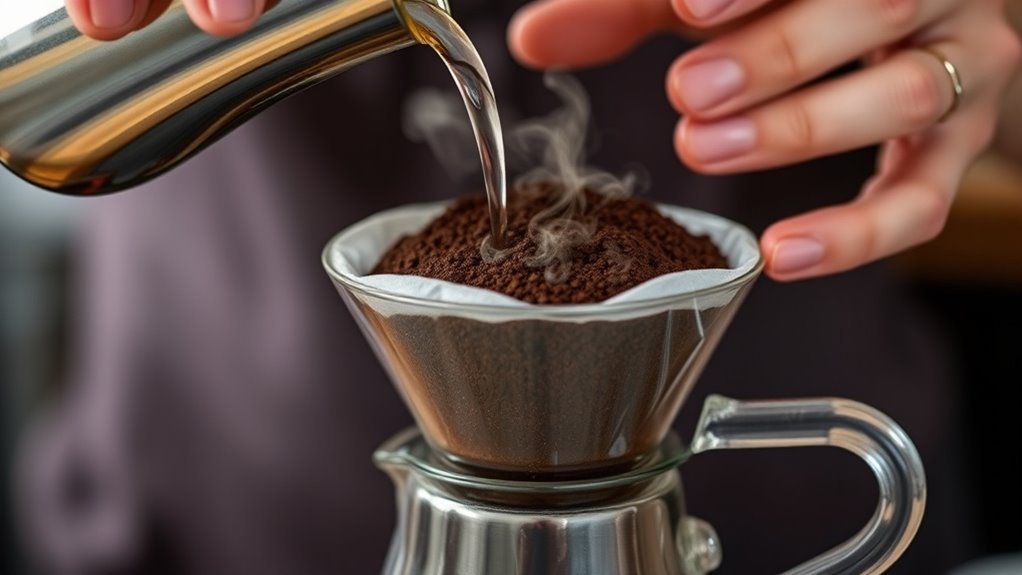
Many people shy away from brewing strong beers because they associate increased alcohol content with excessive bitterness. However, achieving a robust, flavorful brew without overwhelming bitterness is entirely possible by understanding flavor balance and applying specific brewing techniques. The key is to focus on how ingredients interact and how you can manipulate the brewing process to highlight malt sweetness and other aroma components, rather than relying solely on hops for bitterness.
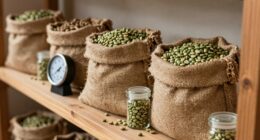
To start, pay close attention to your grain bill. Using malt varieties with rich, sweet flavors—like caramel, Munich, or caramelized malts—can add depth and sweetness that naturally counteract perceived bitterness. These malts also contribute to a fuller body, making the beer feel more substantial without the need for excessive hops. When designing your recipe, aim for a higher malt-to-hops ratio, which helps to create a smoother, more balanced flavor profile. This approach guarantees that the sweetness from the malt complements the alcohol strength, rather than competing with it.
Focus on rich, sweet malts like caramel and Munich to balance strong beers naturally.
Brewing techniques play a pivotal role in maintaining flavor balance. One effective method is to control your hop additions carefully. Instead of heavily bittering your beer with large amounts of hops, opt for late hop additions or dry hopping techniques. These methods infuse your brew with aromatic qualities and subtle flavor notes without considerably increasing bitterness. Additionally, using techniques like whirlpool hopping allows you to extract aroma compounds while minimizing bitterness, helping you craft a strong beer that’s rich in flavor rather than harsh hop bitterness.
Fermentation management is another essential aspect. Allowing your beer to ferment thoroughly ensures that the yeast fully converts sugars into alcohol, which helps develop a smoother, less astringent profile. You might also consider using yeast strains known for their ability to produce clean, high-alcohol beers with minimal off-flavors. Proper temperature control during fermentation prevents the development of unwanted bitterness or harsh flavors, guaranteeing a balanced, flavorful result. Moreover, understanding the role of cognitive flexibility in brewing can help you adapt techniques based on the specific ingredients and conditions, leading to better flavor outcomes.
Finally, consider the overall flavor profile you aim for. Incorporating ingredients like dark fruits, spices, or roasted malts can complement the malt sweetness and add complexity. These additions help to mask any residual bitterness and provide a more nuanced drinking experience. When combined with careful brewing techniques, these ingredients enhance the overall flavor balance, allowing you to brew a strong beer that’s satisfying and smooth without being overly bitter.
In essence, brewing a strong beer without excessive bitterness hinges on your ability to balance flavors through thoughtful ingredient choices and precise brewing techniques. Focus on maximizing malt character, controlling hop usage, and managing fermentation to produce a brew that’s both powerful and harmonious.
Frequently Asked Questions
Can I Use Alternative Ingredients to Reduce Bitterness?
Yes, you can use alternative sweeteners to reduce bitterness. Substituting sugar with options like honey or stevia can mellow the flavor. Additionally, flavor masking techniques, such as adding vanilla or fruit extracts, help conceal bitterness. These methods work together to create a smoother, less bitter brew. Just experiment with small amounts to find the perfect balance for your taste preferences.
How Does Water Temperature Affect Bitterness Levels?
You might find it surprising, but water temperature directly influences bitterness through water chemistry and flavor extraction. When you use higher temperatures, more bitter compounds are extracted, intensifying bitterness. Conversely, lower temperatures reduce extraction, leading to a smoother taste. So, by adjusting your water temperature, you can control bitterness levels, ensuring your brew’s flavor profile aligns with your preference without over-extracting undesirable compounds.
Are There Specific Brewing Times That Minimize Bitterness?
Yes, you can minimize bitterness by adjusting your brew time and extraction duration. Keep your brew time shorter, around 2-3 minutes for pour-over or 4-5 minutes for French press, to limit over-extraction of bitter compounds. Monitor extraction duration carefully; stopping the brew once desired flavor develops prevents excessive bitterness. Experiment with these timings to find the sweet spot that yields strong, flavorful coffee without harsh bitterness.
Does the Type of Coffee Bean Influence Bitterness?
Think of coffee beans as the actors in your brew; their varieties and roasting profiles set the stage for bitterness or smoothness. Lighter roasts from Arabica beans often yield brighter, less bitter flavors, while darker roasts or Robusta beans tend to bring more bitterness. So, choosing the right coffee bean varieties and roasting profiles directly influences the bitterness in your cup, giving you control over your perfect brew.
What Are the Best Methods to Test Bitterness Levels?
To test bitterness levels, you should focus on flavor balance and extraction control. Tasting your coffee provides immediate feedback, but for more precise results, use a cupping session or a standardized sensory evaluation. Adjust grind size, brewing time, and temperature to control extraction. Keep notes on each brew to identify patterns, ensuring you achieve a harmonious flavor balance without excessive bitterness.
Conclusion
Now that you know the secrets to brewing strong, bitterness-free coffee, you can confidently craft cups that captivate and satisfy. By balancing beans, controlling heat, and embracing patience, you’ll produce bold brews without the bite. Remember, mastery comes with mindful methods and meticulous measures. So, step up your skill, savor the subtlety, and enjoy every sip of your skillfully brewed, smooth, and satisfying cup. Your perfect pour is just a few focused steps away!