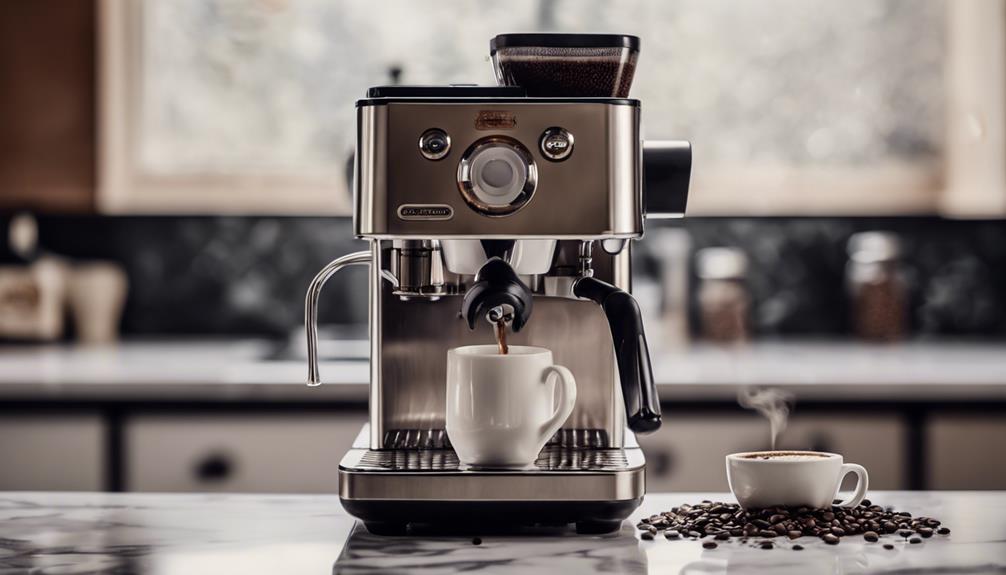
For homemade cold brew, I’d start with Bizzy Organic Cold Brew Coffee for its coarse grind and smooth, sweet blend, while Fresh Roasted Coffee Organic Frostbite is a strong pick for organic coffee in either ground or whole-bean form. Chamberlain Coffee XL Classic Cold Brew Bags offer the simplest cleanup, and Explorer Organic Decaf Daydreamer suits people who want a ready-to-pour decaf concentrate. The main choice is between the control of grounds or beans and the convenience of bags or concentrate, with roast style, caffeine, and batch size shaping the flavor and routine. Some options add features such as low-acid positioning or mushrooms, which may matter to particular drinkers but make for a more specialized cup. Read on for how these eight options compare and which one best fits your cold-brew setup.

Get coffee and tea gear delivered free with Prime
- Fast, free delivery on millions of items
- Prime Video, Amazon Music and more included
- Member-only deals all year
Complete the kit


Key Takeaways
- Bizzy is the most straightforward starting point for homemade cold brew: its coarse-ground smooth-and-sweet blend is purpose-made for steeping, though whole beans offer more control over grind freshness.
- Fresh Roasted Frostbite comes in two useful formats: the 12-ounce coarse-ground bag saves prep, while the 2-pound whole-bean option favors frequent brewers who want to grind each batch.
- Chamberlain’s brew bags trade grind flexibility for easier cleanup, making them a practical choice for people who want to avoid filtering loose grounds.
- Explorer is the outlier for convenience and caffeine choice: its decaf concentrate skips steeping, but it does not give brewers the same control over extraction as grounds or beans.
- Lifeboost and Four Sigmatic serve narrower preferences—low-acid positioning and mushroom ingredients, respectively—so they make most sense when those attributes matter more than a simple, classic cold-brew profile.


| coffee for homemade cold brew | Roast | Testing | Grind |
|---|---|---|---|
| Cold Brew Coffee Whole Beans | — | Tested for mycotoxins and mold | — |
| Fresh Roasted Coffee Organic F | Medium | Third-party tested for mold, mycotoxins, and pesticides | Coarse ground |
| Chamberlain Coffee XL Classic | Medium | — | — |
| Lifeboost Low Acid Organic Col | Medium | Tested for mycotoxins, heavy metals, molds, and pesticides | Coarse |
| Fresh Roasted Coffee Organic F | Medium | Third-party tested for mold, mycotoxins, and pesticides | — |
| Bizzy Organic Cold Brew Coffee | Medium | — | Coarse, micro-sifted |
| Explorer Organic Decaf Daydrea | — | — | — |
| Four Sigmatic Organic Dark Roa | Dark roast | — | Coarse |
More Details on Our Top Picks
Cold Brew Coffee Whole Beans, Medium Roast, 16 oz
Built specifically for cold brewing, this medium roast suits buyers who want beans selected for a chilled, slow-steeped cup. Its 16-ounce bag gives you more room to dial in a grind than Chamberlain Coffee XL Classic Cold Brew Bags, which trade grind control for individual portions and simpler prep. This bag also stands apart from Fresh Roasted Coffee Organic Frostbite Cold Brew Whole Bean Coffee, which offers organic certification and use in drip coffee and espresso. Here, the listed appeal is a cold-brew-focused blend plus testing for mold and mycotoxins. The tradeoff is limited guidance: no origin or tasting notes are provided, so it is harder to predict the cup or compare flavor before buying. You will also need a grinder and a suitable steeping setup.
Pros:- Blend is formulated specifically for cold brewing
- Tested for mycotoxins and mold
- Whole beans let you choose the grind size
- Roasted above 400°F and sealed to help preserve freshness
Cons:- No origin or tasting notes are provided
- Requires a grinder before brewing
- The listed use is focused on cold brew
Best for: Cold brew drinkers with a grinder who want beans formulated for slow steeping and value mold and mycotoxin testing.
Not ideal for: Buyers who want stated flavor notes, an origin to compare, or ready-to-steep bags without grinding.
- Product type:Whole bean coffee
- Roast level:Medium
- Intended use:Cold brewing
- Package size:16 oz
- Testing:Tested for mycotoxins and mold
- Roasting:Roasted above 400°F
- Packaging:Sealed to help preserve freshness
Our verdict“Choose this 16-ounce bag if you want whole beans developed for cold brew and can accept sparse flavor details.”
Fresh Roasted Coffee Organic Frostbite Cold Brew Coarse Ground Coffee, Medium Roast, 12 oz
Coarse ground and ready for cold water, Frostbite skips the grinder step that comes with the 16-ounce Cold Brew Coffee Whole Beans. Its USDA Organic certification and third-party testing for mold, mycotoxins, and pesticides provide more disclosed sourcing and testing detail than that simpler whole-bean listing. Nitrogen-flushed packaging is intended to help preserve freshness, while roasting and packaging in the United States add production context. Compared with Chamberlain Coffee XL Classic Cold Brew Bags, this bag gives you grounds rather than pre-portioned steeping bags, so you can choose your own filter or brewing vessel but must measure and strain the coffee yourself. The 12-ounce pack is relatively compact, which may mean more frequent restocking for regular batches. The supplied details do not include flavor notes, so roast and grind do most of the descriptive work.
Pros:- USDA Organic certified
- Third-party tested for mold, mycotoxins, and pesticides
- Coarse ground for cold brew preparation
- Nitrogen-flushed packaging helps preserve freshness
Cons:- The 12-ounce bag may run out quickly for frequent batch brewing
- Ground coffee offers less control over grind timing than whole beans
- No flavor notes are provided
Best for: Cold brew drinkers who want USDA Organic, third-party-tested coarse grounds without needing to grind beans at home.
Not ideal for: High-volume brewers who want a larger bag, or buyers who prefer individual steeping bags and portioned preparation.
- Coffee type:Cold brew coffee
- Roast:Medium
- Grind:Coarse ground
- Certifications:USDA Organic; Kosher
- Testing:Third-party tested for mold, mycotoxins, and pesticides
- Package size:12 oz
- Packaging:Nitrogen flushed
- Production:Roasted and packaged in the United States
Our verdict“Pick Frostbite if you want organic, tested cold brew grounds ready to measure and steep.”
Chamberlain Coffee XL Classic Cold Brew Bags, 16 Servings
Pre-portioned steeping bags make preparation straightforward: place one in cold, filtered water and refrigerate for 12–24 hours. Each bag yields about four cups, so the 16 servings suit people who want repeatable batches without weighing loose grounds. The coffee is organic, 100% Arabica, and described with dark chocolate, roasted almond, and caramel notes, giving more flavor direction than Fresh Roasted Coffee Organic Frostbite Cold Brew Coarse Ground Coffee, whose supplied details do not list tasting notes. Compared with Lifeboost Low Acid Organic Cold Brew Coffee, Chamberlain’s clearest advantage is its bag-based format, while Lifeboost provides coarse grounds and more detailed contaminant testing. Convenience comes with constraints: steeping takes at least 12 hours, and the instructions call for a mason jar and filtered water. The bags also limit your control over dose and grind.
Pros:- Pre-portioned bags simplify measuring and cleanup
- Each bag makes about four cups
- Organic 100% Arabica coffee
- Low-acid profile with stated chocolate, almond, and caramel notes
Cons:- Requires 12–24 hours of steeping
- Preparation calls for a mason jar and cold, filtered water
- Bag format offers less control over grind and dose
Best for: Beginners and busy households who want pre-portioned cold brew servings with clear steeping instructions and flavor notes.
Not ideal for: Brewers who want to adjust grind and coffee-to-water ratios freely, or need coffee ready in less than 12 hours.
- Roast:Medium
- Coffee type:100% Arabica
- Servings:16
- Yield per bag:About 4 cups
- Steeping time:12–24 hours
- Flavor notes:Dark chocolate, roasted almonds, caramel
- Acidity:Low
- Preparation:Steep in cold, filtered water in the refrigerator
Our verdict“Choose Chamberlain if portioned bags and clear flavor notes matter more than customizing every batch.”
Lifeboost Low Acid Organic Cold Brew Coffee, Coarse Ground, 12 oz
Low-acid, coarse-ground Arabica gives Lifeboost a clear role for cold brew drinkers who prioritize a gentler cup. Its single-origin, high-elevation farm sourcing adds detail that the Cold Brew Coffee Whole Beans listing does not provide, and USDA Organic and Non-GMO certifications plus batch testing for mycotoxins, heavy metals, molds, and pesticides offer a more extensive stated testing profile than Chamberlain Coffee XL Classic Cold Brew Bags. Unlike Chamberlain’s portioned bags, Lifeboost arrives as loose grounds, leaving you to measure and strain each batch. Its 12-ounce size is also smaller than the 16-ounce whole-bean option. This is a focused cold brew choice: the product is specifically suited to cold brewing, so it is less flexible for someone who wants one coffee for several methods. No specific tasting notes are supplied to set expectations beyond smooth and bold.
Pros:- Naturally low-acid profile
- Coarse grind is suited to slow cold-water steeping
- USDA Organic and Non-GMO certified
- Batch tested for mycotoxins, heavy metals, molds, and pesticides
Cons:- Specifically suited to cold brew preparation
- 12-ounce package is smaller than the 16-ounce whole-bean option
- No specific flavor notes are provided
Best for: Cold brew drinkers seeking a low-acid Arabica coffee with organic certification and detailed batch testing.
Not ideal for: People who want one coffee for cold brew and other brew methods, or who prefer ready-portioned steeping bags.
- Roast:Medium
- Grind:Coarse
- Weight:12 oz
- Bean type:100% Arabica
- Origin:Single origin, high-elevation farm
- Certifications:USDA Organic; Non-GMO
- Testing:Tested for mycotoxins, heavy metals, molds, and pesticides
- Intended use:Cold brew
Our verdict“Choose Lifeboost if low acidity and detailed testing matter more than using the same coffee across brew methods.”
Fresh Roasted Coffee Organic Frostbite Cold Brew Whole Bean Coffee, Medium Roast, 2 lb
A 2-pound whole-bean bag makes this Frostbite the lineup’s fit for frequent batch brewers who want to grind fresh as needed. Like Fresh Roasted Coffee Organic Frostbite Cold Brew Coarse Ground Coffee, it is USDA Organic and third-party tested for mold, mycotoxins, and pesticides; the larger whole-bean format adds grind control and supports drip coffee and espresso as well as cold brew. That versatility contrasts with Lifeboost Low Acid Organic Cold Brew Coffee, which is specifically suited to cold brew. The tradeoff is practical: you need a grinder, and a large bag may be a poor match for occasional brewing or limited storage. Its broader brew-method range makes it less narrowly focused on cold brew than the 16-ounce Cold Brew Coffee Whole Beans, while organic certification and testing offer more listed sourcing detail.
Pros:- Large 2-pound supply suits regular batch brewing
- USDA Organic certified and Kosher
- Third-party tested for mold, mycotoxins, and pesticides
- Whole beans can be ground for cold brew, drip, or espresso
Cons:- Requires grinding before brewing
- Large bag may be inconvenient for occasional brewers or limited storage
- No specific flavor notes are listed
Best for: Frequent cold brew makers with a grinder who want a large organic supply that can also serve drip and espresso.
Not ideal for: Occasional brewers without a grinder, or buyers who need a small package and pre-ground coffee.
- Brand:Fresh Roasted Coffee
- Blend:Frostbite Cold Brew
- Roast:Medium
- Form:Whole bean
- Weight:2 lb (32 oz)
- Organic certification:USDA Organic
- Testing:Third-party tested for mold, mycotoxins, and pesticides
- Kosher:Yes
- Suitable brew methods:Cold brew, drip coffee, and espresso
Our verdict“Pick this Frostbite bag if you brew often, own a grinder, and want organic beans for cold brew plus other methods.”
Bizzy Organic Cold Brew Coffee, Smooth & Sweet Blend, Coarse Ground, 1 lb
For homemade cold brew, Bizzy’s coarse, micro-sifted grounds remove a step: you can start steeping without grinding whole beans, and the tailored grind helps limit fine sediment in the finished batch. Its medium roast and caramel-and-hazelnut notes point toward a sweeter, rounder cup than the darker profile of Four Sigmatic Organic Dark Roast Cold Brew Coffee Grounds. The USDA Organic and Kosher certifications also give buyers clear sourcing and dietary markers. At one pound, it offers more coffee than the 12-ounce Four Sigmatic bag, though it lacks that product’s mushroom ingredients. Choose Bizzy if you want conventional coffee flavor and cold-brew-specific grounds; skip it if you prefer to control freshness by grinding whole beans yourself.
Pros:- Coarse, micro-sifted grind is prepared specifically for cold brew
- Medium roast with caramel and hazelnut notes suits a sweeter cup
- Made from 100% Arabica beans sourced from Central and South America
- USDA Organic and Kosher certified
Cons:- Pre-ground coffee offers less control over grind size and freshness than whole beans
- Sweet, medium-roast profile may not satisfy drinkers who prefer a bold dark roast
Best for: Home brewers who want certified organic, cold-brew-ready grounds with a naturally sweet medium-roast profile
Not ideal for: Whole-bean buyers who want to grind just before steeping, or drinkers seeking a dark roast or added functional ingredients
- Coffee type:100% Arabica
- Origin:Central and South America
- Roast:Medium
- Grind:Coarse, micro-sifted
- Flavor notes:Caramel and hazelnut
- Certifications:USDA Organic and Kosher
- Weight:1 lb
Our verdict“Choose Bizzy for a larger bag of organic, sweet-leaning grounds that are ready for cold brewing.”
Explorer Organic Decaf Daydreamer Cold Brew Concentrate, 32 fl oz
Explorer Daydreamer fills a different cold-brew need from the ground coffees in this roundup: it arrives as a decaffeinated concentrate, so buyers can skip the overnight steeping required by Bizzy Organic Cold Brew Coffee. Its organic designation and 32-fluid-ounce bottle are the available anchors for choosing it, while the product details provide no flavor notes or preparation directions. That makes it a less predictable pick for anyone tuning a homemade recipe by grind, roast, or steep time. Compared with Four Sigmatic’s coarse grounds, Daydreamer trades control over brewing for a ready-made decaf format. It suits people who want cold brew without caffeine and do not need to begin with raw grounds; buyers who specifically want to make coffee from scratch should choose a ground or whole-bean option instead.
Pros:- Decaffeinated cold brew format
- Organic coffee
- Concentrate avoids the need to steep grounds for a batch
- 32 fl oz volume
Cons:- Product details do not specify flavor notes
- Product details do not provide preparation or dilution instructions
- Concentrate offers less control over the brewing process than coarse grounds such as Bizzy
Best for: Decaf drinkers who want an organic cold brew concentrate and prefer to skip steeping grounds at home
Not ideal for: Home brewers who want to control bean choice, grind, steeping, or flavor, since those details are not provided
- Brand:Explorer Cold Brew
- Type:Decaffeinated cold brew concentrate
- Variant:Daydreamer
- Organic:Yes
- Volume:32 fl oz
- Caffeine:Decaffeinated
Our verdict“Pick Explorer Daydreamer if decaf convenience matters more than making cold brew from grounds.”
Four Sigmatic Organic Dark Roast Cold Brew Coffee Grounds with Lion’s Mane and Chaga, 12 oz
Four Sigmatic’s coarse dark-roast grounds are for buyers who want more than a conventional coffee profile in their homemade cold brew. The blend includes Lion’s Mane, Chaga, and Yacon root, with 250 mg of Lion’s Mane per serving, giving it a distinct ingredient list compared with Bizzy Organic Cold Brew Coffee’s straightforward Arabica and sweet caramel-hazelnut notes. A coarse grind suits immersion brewing, while the suggested ratio of two tablespoons per eight fluid ounces gives brewers a starting point. Beans come from a family-run co-op in southwest Honduras. The tradeoff is a smaller 12-ounce bag than Bizzy’s one-pound offering, plus mushroom and Yacon flavors may not appeal to everyone. Choose it for the added ingredients; skip it if you want coffee-only grounds or a familiar, uncomplicated cup.
Pros:- Coarse grind is suited to cold brewing
- Includes 250 mg of organic Lion’s Mane per serving
- Features Lion’s Mane, Chaga, and Yacon root
- Coffee is sourced from a family-run co-op in southwest Honduras
Cons:- Mushroom and Yacon ingredients may not suit every taste
- The 12-ounce bag contains less coffee than Bizzy’s one-pound bag
- Cold brewing requires advance preparation
Best for: Cold-brew drinkers who want coarse organic grounds with mushroom ingredients and a dark-roast profile
Not ideal for: Coffee purists who want a conventional coffee-only flavor, or households looking for a larger bag like Bizzy’s one-pound pack
- Roast:Dark roast
- Grind:Coarse
- Net weight:12 oz
- Lion’s Mane per serving:250 mg
- Highlighted ingredients:Lion’s Mane, Chaga, and Yacon root
- Brewing ratio:2 tablespoons per 8 fl oz of water
- Coffee origin:Southwest Honduras
Our verdict“Choose Four Sigmatic if you want dark-roast cold brew grounds with mushroom ingredients and accept a less traditional flavor.”

How We Picked
I compared these eight products on how well their format and stated coffee style fit homemade cold brew. The ranking favors options that give a typical home brewer a clear path to a balanced batch, with useful grind choices, a practical quantity, and little special handling. Whole beans can offer better control over grind size and freshness, while coarse-ground coffee gets a batch started sooner; brew bags and concentrate prioritize convenience in different ways.
I also weighed the tradeoffs behind each product’s distinguishing claim. A large bag can suit regular brewing but may be excessive for occasional drinkers; specialty features such as low-acid positioning, decaf, or added mushrooms appeal to specific needs but do not replace a preference for a particular roast or flavor. The top positions go to versatile, cold-brew-ready choices, while more specialized formats rank for the buyers they serve best.
| coffee for homemade cold brew | Testing | Roast | Grind |
|---|---|---|---|
| Cold Brew Coffee Whole Beans | Tested for mycotoxins and mold | — | — |
| Fresh Roasted Coffee Organic F | Third-party tested for mold, mycotoxins, and pesticides | Medium | Coarse ground |
| Chamberlain Coffee XL Classic | — | Medium | — |
| Lifeboost Low Acid Organic Col | Tested for mycotoxins, heavy metals, molds, and pesticides | Medium | Coarse |
| Fresh Roasted Coffee Organic F | Third-party tested for mold, mycotoxins, and pesticides | Medium | — |
| Bizzy Organic Cold Brew Coffee | — | Medium | Coarse, micro-sifted |
| Explorer Organic Decaf Daydrea | — | — | — |
| Four Sigmatic Organic Dark Roa | — | Dark roast | Coarse |
Factors to Consider When Choosing Coffee For Homemade Cold Brew
The right coffee depends on how you make cold brew, how often you drink it, and what you want in the finished cup. These broader choices can help you narrow the field before you settle on a bag, brew bags, or concentrate.
Choose a format that fits your brew routine
Loose grounds work well in a jar or dedicated brewer, but they need a reliable way to separate the finished coffee from sediment. Brew bags contain the grounds and simplify cleanup, though the bag’s size and shape can limit how freely the coffee contacts the water. Concentrate removes the steeping step altogether, which helps when time or kitchen space is tight. That convenience comes with less control over brew strength and extraction. Before choosing, check whether your usual container can fit the amount of grounds or bags you plan to use. A setup that is easy to repeat is more useful than a format that sounds convenient but does not fit your equipment.
Match the grind to your equipment
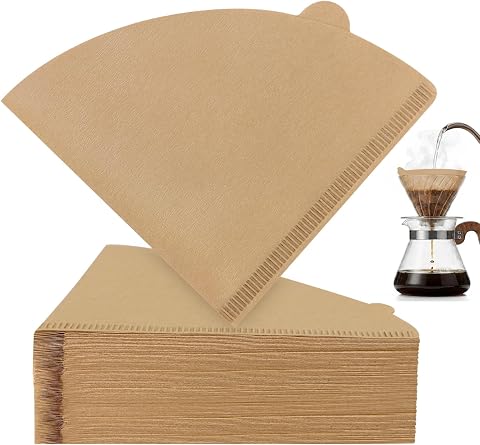
A coarse grind is a dependable starting point because it is easier to filter than fine particles. Finer coffee can leave a muddy or gritty cup, especially in a simple jar without a fine filter. If you buy whole beans, check that your grinder can produce a consistent coarse setting; an uneven grind can make a batch taste less balanced. Pre-ground coffee saves a step, but the grind may not suit every brewer or filter. A paper filter can catch more sediment than a basic mesh strainer, though it may slow the final pour. Pick a grind and filter combination you can use consistently before experimenting with finer adjustments.
Plan batch size around freshness and storage
A large bag can make sense when you brew often, but it may sit open for a long time if cold brew is an occasional drink. Whole beans usually let you grind only what you need, while pre-ground coffee is quicker to measure and use. Keep coffee sealed, away from heat and moisture, and avoid buying more than your routine can comfortably use. Also think about the finished batch: cold brew takes time to steep, and a large yield needs room in the refrigerator. Making a smaller batch first can help you learn your preferred strength before committing to a bulk format. Let your weekly drinking habit guide both the bag size and batch size.
Treat strength and dilution as separate choices
Cold brew can be prepared as ready-to-drink coffee or as a stronger concentrate intended for dilution. A concentrated batch saves refrigerator space, but it requires you to add water, milk, or another liquid when serving. If a product is already a concentrate, follow its serving directions before deciding whether it tastes too strong. With loose grounds, changing the coffee-to-water ratio changes the batch strength, while steeping time and grind also affect extraction. Adjust one variable at a time so you can tell what changed the cup. Do not assume every cold-brew product is meant to be poured and served at the same strength.
Decide when a specialty feature is worth choosing
Claims such as organic, low-acid, decaf, or added functional ingredients describe different priorities, not a shared measure of taste. If caffeine is the deciding factor, check whether the product is decaf and whether its format suits your routine. If you are seeking coffee marketed as low acid, remember that your brewing recipe and serving choices still affect how the drink suits you. Added ingredients, such as mushrooms, change the product from a conventional coffee choice into a more specialized one. These options can be a good fit when the feature is a real preference, but it should not distract from grind, format, or roast style. Start with the attribute that matters most to you, then compare the brewing tradeoffs among products that meet it.
Frequently Asked Questions
Should I buy whole beans or coarse-ground coffee for homemade cold brew?
Whole beans give you control over grind size and let you grind each batch shortly before brewing, but they require a grinder that can make a consistent coarse grind. Coarse-ground coffee is quicker to use and suits brewers who want fewer steps. Both formats can make good cold brew when the grind fits your filter and recipe. If you often find sediment in the cup, focus on grind consistency and filtration before switching coffee types. Choose whole beans for control; choose pre-ground for an easier routine.
Are cold brew bags worth choosing over loose grounds?
Brew bags can make cleanup simpler because the grounds stay contained during steeping. That is useful if you brew in a shared refrigerator or dislike pouring loose grounds through a filter. Loose coffee gives you more freedom to adjust the dose and select your own filter setup. Bags still need enough room in the water to steep well, so a cramped container can limit convenience. The tradeoff is straightforward: bags reduce mess, while loose grounds offer more flexibility.
Can I use a cold brew concentrate the same way as ground coffee?
No: concentrate is already brewed, so it skips the steeping stage rather than serving as grounds for a homemade batch. It is ready to portion and may need dilution depending on its directions and your taste. Ground coffee lets you control the water ratio, steep time, and filtering method yourself. If you want cold brew on demand without planning a batch ahead, concentrate is convenient. If you enjoy adjusting recipes or want a larger batch for several servings, grounds or beans are a better fit.
Does coarse-ground coffee always prevent a gritty cold brew?
Coarse grounds make filtering easier, but they cannot guarantee a sediment-free cup. Inconsistent particles, a basic strainer, or pouring the last portion from the brewing vessel can still leave grit. A finer paper filter can catch more small particles, although filtration may take longer. Avoid squeezing a brew bag or pressing grounds if your method releases extra sediment. If clarity matters to you, consider the whole combination of grind, brewing vessel, and filter.
How do I choose between regular, decaf, and coffee with added ingredients?
Start with your caffeine preference, then decide whether you want a conventional coffee profile or a product with a specific added feature. Decaf concentrate offers a convenient route to a lower-caffeine serving, while ground or whole-bean coffee lets you prepare your own batch. Products with ingredients such as mushrooms have a more specialized profile and may not suit someone seeking a simple coffee taste. Low-acid positioning is another distinct preference; it does not tell you whether you will like the roast or format. Compare these attributes alongside brewing effort, since specialty features do not remove the practical differences between concentrate, bags, grounds, and beans.
Conclusion
For the best overall fit, I’d choose Bizzy Organic Cold Brew Coffee for a purpose-made coarse-ground blend that keeps home brewing simple. Fresh Roasted Coffee Organic Frostbite in its 2-pound whole-bean format is the best value for frequent brewers who want a larger supply and grind control; the 12-ounce ground version is easier for occasional batches. Chamberlain Coffee XL Classic Cold Brew Bags make the most sense for beginners who want less filtering and cleanup. For a premium or specific preference, Lifeboost fits shoppers drawn to low-acid positioning, while Explorer Daydreamer suits those seeking decaf convenience and Four Sigmatic those interested in mushroom ingredients. Pick the product whose format and distinguishing feature match your routine, since that will shape your results as much as the coffee itself.
Halloween Picks
halloween
As an affiliate, we earn on qualifying purchases.