TL;DR

Get coffee and tea gear delivered free with Prime
- Fast, free delivery on millions of items
- Prime Video, Amazon Music and more included
- Member-only deals all year
A Good Housekeeping report offers organizing strategies for five broad personality types, drawing on advice from certified neurodiversity coach Sherri Curley and organizing expert Shira Gill. The recommendations range from visible storage for creative tools and current projects to concealed storage for minimalists, while the experts frame the categories as practical tendencies rather than a formal assessment.
Good Housekeeping has published a guide to organizing a home around five broad personality types, with advice from certified neurodiversity coach Sherri Curley and organizing expert and author Shira Gill. The report recommends choosing storage and routines that fit how people use and respond to their spaces, rather than assuming one organizing system works for everyone.
The guide groups organizing tendencies into five types: creative, minimalist, collector, procrastinator and perfectionist. Its advice is practical rather than diagnostic: the source does not present a formal test or claim that people fit neatly into only one category. Instead, it describes habits and suggests adjustments that may make everyday organization easier to maintain.
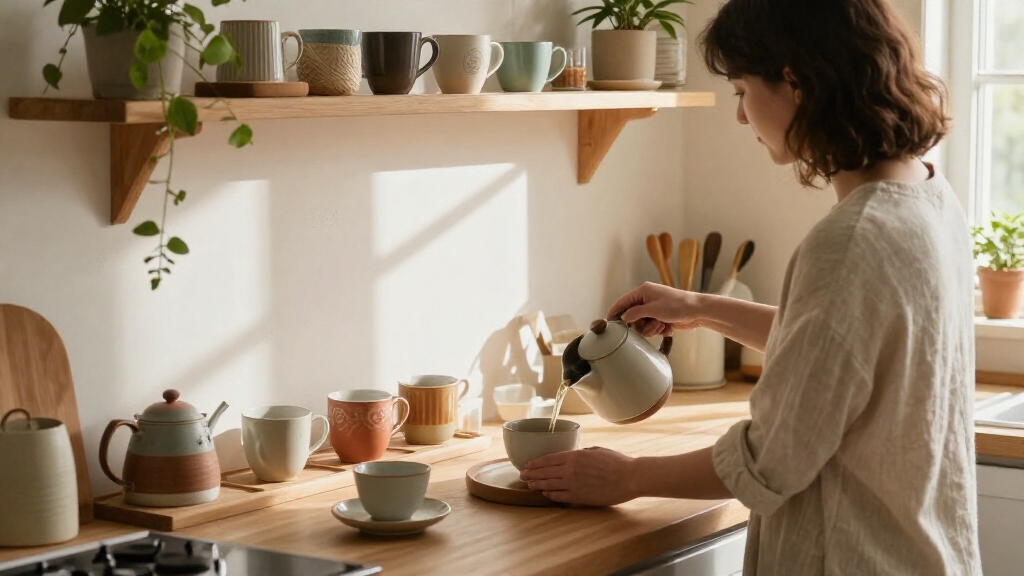
For creative people, Gill recommends keeping supplies and inspiration visible in open bins, jars or wall-mounted organizers, and using a pinboard or gallery ledge as a changing mood board. The idea is to reduce the effort of getting started. For minimalists, the recommendations go the other direction: use concealed storage, matching bins, drawer dividers and multipurpose furniture to limit visual clutter and keep surfaces clear.
Collectors are not advised to discard meaningful objects simply to achieve a sparse look. Curley says they can keep items they love, while checking whether collections are taking over work surfaces, relaxation areas or storage. Gill suggests open or floating shelves and vertical mounts to display belongings deliberately. For procrastinators, she recommends visible reminders—such as an errands basket near the door or a tray for an active project—while Curley suggests tackling one area for a short period, even three minutes. Perfectionists may benefit from uniform containers and labels, but also from a catchall space and a standard of upkeep they can sustain on imperfect days.
Systems That Fit Daily Habits
The advice addresses a common practical problem: an organizing method can be tidy in theory but difficult for a person to keep using. Curley says working against someone’s natural tendencies can make tasks feel harder, and may lower motivation and increase overwhelm. Those effects are her expert assessment, not results from a study cited in the supplied report.
The article’s main implication is that organization can be adapted instead of treated as a single ideal. Visible storage may help people who rely on reminders, while reduced visual stimuli may suit people who feel overwhelmed by clutter. For collectors, displaying valued items can be part of a workable system, provided the collection does not displace the functions of a room. These are suggestions for readers to try, not guaranteed outcomes.
Products Worth Considering
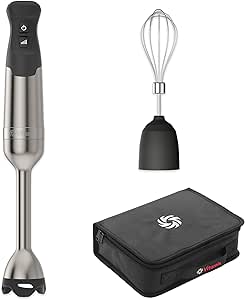
Vitamix 5-Speed Immersion Blender 3-Piece Bundle with Whisk and Storage Case

Instant Pot Pro 8-Quart 10-in-1 Electric Pressure Cooker, Black

Traeger Westwood Wood Pellet Grill and Smoker, 653 sq. in., WiFIRE
As an affiliate, we earn on qualifying purchases.
Five Organizing Profiles in the Guide
The report is based on interviews and recommendations from Curley and Gill, rather than a cited clinical framework or a controlled comparison of organizing methods. Gill describes a home as both an expression of personal style and a space that shapes daily life. The guide uses that premise to connect each profile with different choices about visibility, storage and maintenance.
Its categories are best read as informal descriptions of preferences. A person might recognize themselves in more than one type, or find that their needs change by room or task. The supplied report also points readers toward other organizing approaches, including timed organizing and decluttering methods, but does not establish that one approach is more effective than another.
“When we work against our natural predispositions, strengths, skills, and abilities, our to-dos become uphill climbs.”
— Sherri Curley, certified neurodiversity coach and organizing success coach
Limits of the Personality Categories
The supplied report does not provide a method for determining a person’s type, evidence that the five categories cover everyone, or research comparing the results of each organizing strategy. The labels are presented as useful tendencies, not as a validated personality assessment. It is unclear how well any one suggestion will work for a particular reader without trying it in their own home.
The report also does not specify a follow-up study or measure whether these methods reduce stress or improve organization over time. Curley’s comments about motivation and stress are attributed professional guidance; the source does not supply data quantifying those effects.
Try One Change at Home
The report offers readers a set of options rather than a prescribed sequence. A practical next step is to identify one recurring friction point—such as misplaced errands, crowded displays or supplies that are difficult to put away—and test a matching change in that area. Small trials can show whether a system fits before a household invests in more storage or reorganizes an entire room.
The source identifies no further publication, deadline or expert follow-up. Readers can assess a system by whether it supports the room’s intended use and remains manageable during ordinary, imperfect days.
Key Questions
What five personality types does the guide describe?
It describes creative, minimalist, collector, procrastinator and perfectionist organizing tendencies. They are informal profiles, not a formal personality test.
How can a creative person organize supplies?
Shira Gill recommends keeping frequently used materials visible in open bins, jars or wall-mounted organizers, with a pinboard or ledge for inspiration.
Should collectors declutter their meaningful belongings?
Curley says collectors can keep items they value. The guide advises checking whether collections are crowding work surfaces, relaxation areas or useful storage, and suggests displaying objects on shelves or wall mounts.
What does the guide suggest for procrastination?
Use visible cues, such as an errands basket by the door or a tray for a current project. Curley also recommends choosing one area and organizing for a short time, even three minutes.
Are these organizing strategies proven to work for everyone?
No. The supplied report offers expert recommendations but does not cite comparative research or claim that each method works for every person. The categories are starting points readers can adapt.
Source: goodhousekeeping.com